The physical toll of Night 1
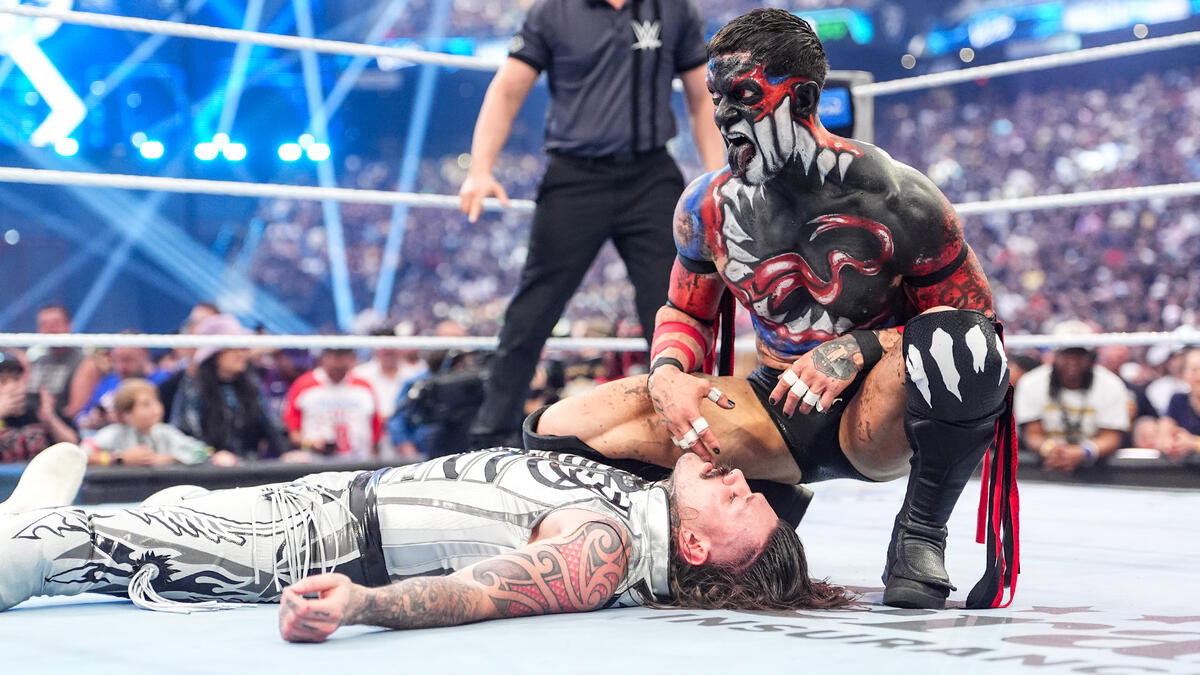
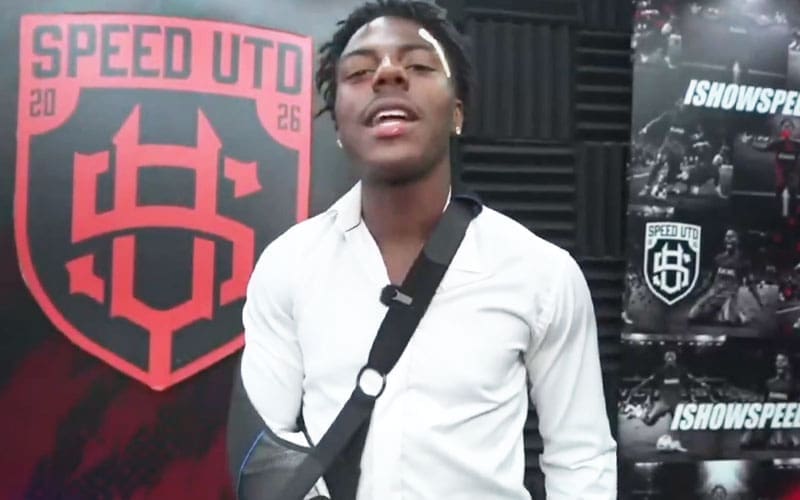
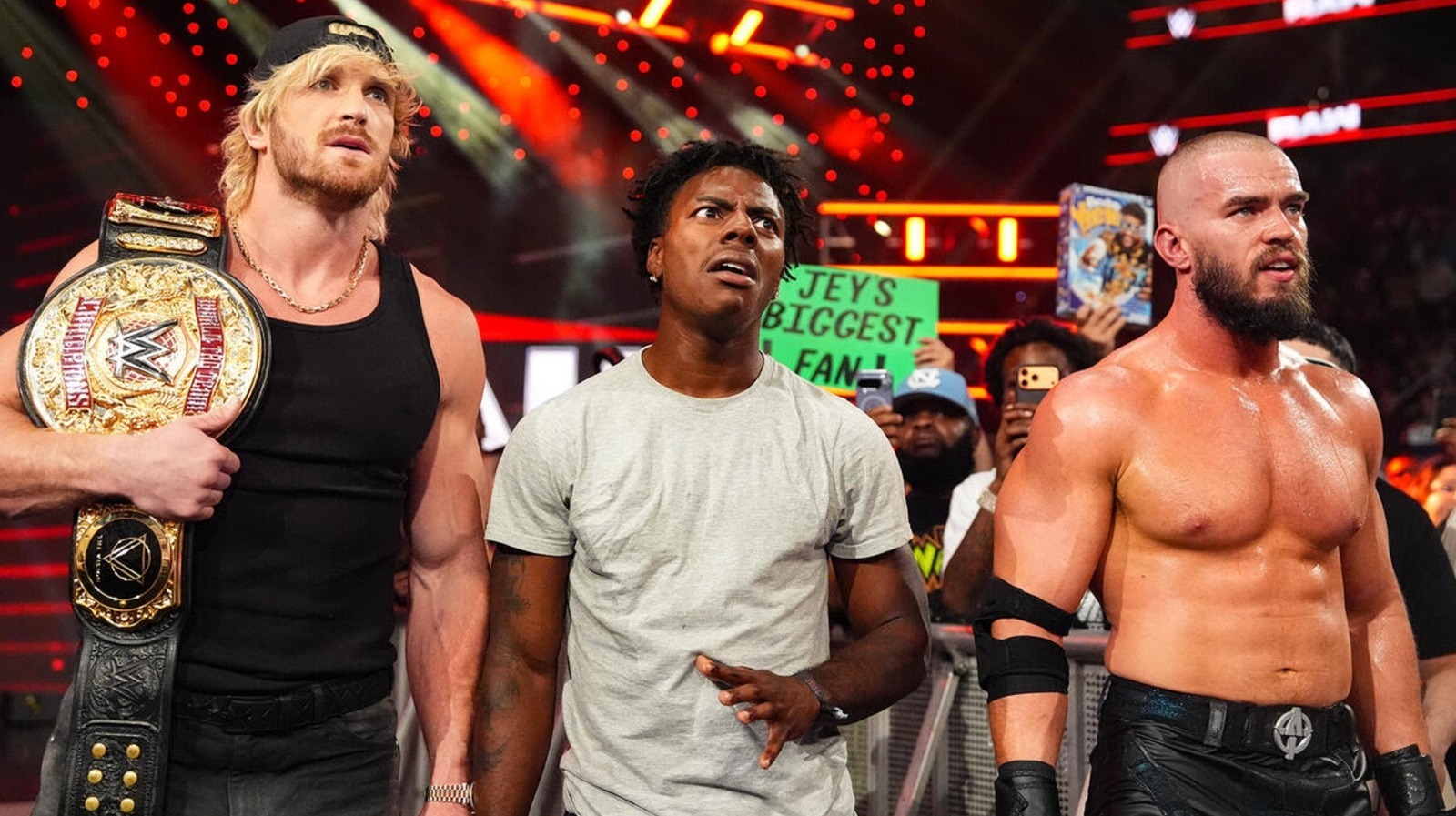
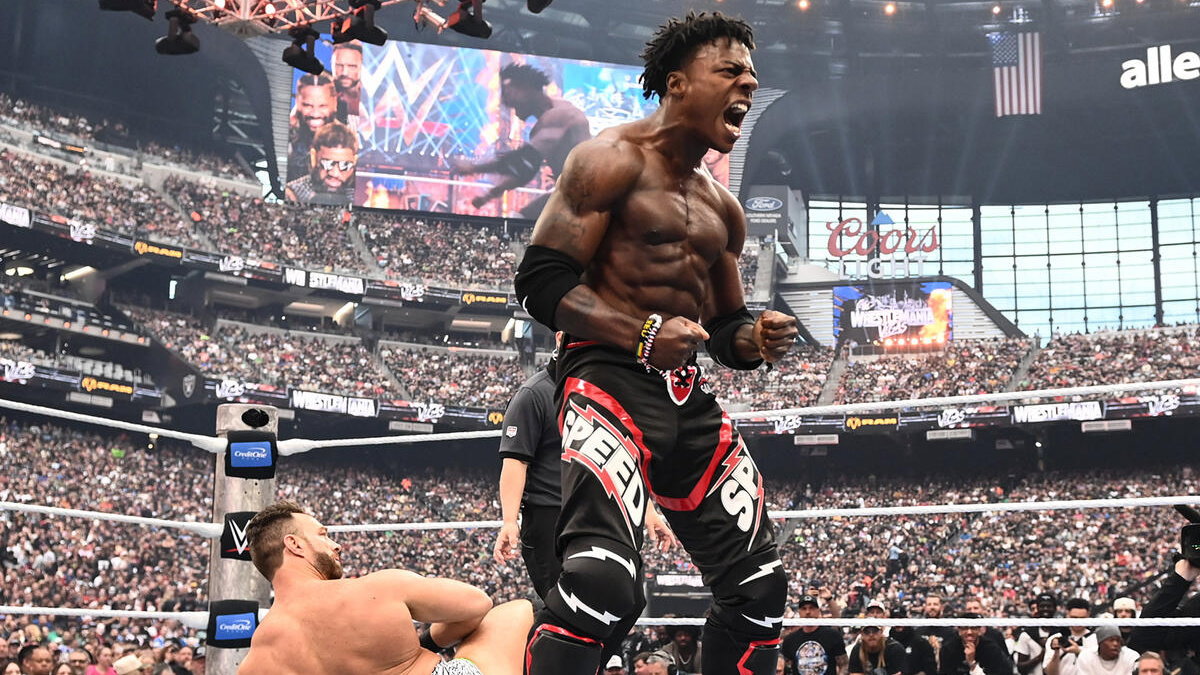
WrestleMania 41 Night 1 left the locker room looking more like a trauma ward than a celebration. While the headlines focused on the return of John Cena, the medical reality backstage was centered on the high-impact risks taken by non-traditional athletes. The most glaring assessment involves Darren Watkins Jr., known as IShowSpeed, who followed up his viral bump from last year with a full-blown in-ring debut on April 18.
Speed’s appearance wasn’t just a cameo this time. He was involved in a high-flying sequence that culminated in a splash that had even the most cynical veterans checking the replay for signs of a concussion. Taking a bump is one thing; delivering a high-velocity offensive move when your body weight is barely 160 pounds is a different kind of physiological stress. The compression on his spine upon landing was visible from the nosebleeds of Allegiant Stadium.
McIntyre’s medical warning
Former WWE Champion Drew McIntyre was quick to weigh in on the physical state of the streamer. McIntyre, who has spent the last decade managing his own laundry list of back and neck issues, didn't hold back on the technical flaws in Speed's approach. While he praised the athleticism, his advice was grounded in the harsh reality of injury prevention. He noted that Speed’s frame isn't built for the repetitive trauma of the squared circle.
McIntyre’s reaction shifted from amusement to genuine concern regarding the landing mechanics. He pointed out that without the proper core stability and posterior chain development, moves like a top-rope splash are essentially a gamble with the L4 and L5 vertebrae. Speed’s 'unbelievable' splash lacked the controlled distribution of weight that seasoned pros use to protect themselves and their opponents. It was a 10-foot drop that relied entirely on youthful adrenaline rather than structural integrity.
The biomechanics of a celebrity bump
When a celebrity like Logan Paul or Bad Bunny enters the ring, they bring a level of athletic pedigree that usually includes months of specialized training. Speed, however, operates on a different frequency. His movements are erratic and explosive, which is great for a YouTube clip but dangerous for a medical chart. A splash requires the performer to 'flat-back' their landing to dissipate the energy of the fall. Speed instead took the brunt of the impact through his midsection and lower ribcage.
The risk here isn't just a bruise or a sore neck. We are talking about potential internal bruising or costochondritis—an inflammation of the cartilage that connects a rib to the breastbone. For someone whose career depends on high-energy streaming and constant movement, a cracked rib or a displaced disc could be a three-month setback. WWE’s medical team reportedly spent significant time with him post-match, checking for signs of respiratory distress after he appeared to have the wind completely knocked out of him.
Historical context of the 'Celebrity Curse'
We’ve seen this play out before with varying degrees of success. Logan Paul famously tore his MCL and meniscus at Crown Jewel 2022 because he attempted to land a similar high-flying move without the muscle memory to protect his joints. Shane McMahon, a non-full-time performer with a similar 'daredevil' mentality, suffered a catastrophic quad tear at WrestleMania 39 just seconds after entering the ring. The common thread is the gap between ambition and physical conditioning.
IShowSpeed is currently riding the high of a successful spot, but the medical fallout often doesn't peak until 48 hours later. By the time Night 2 kicked off today, sources indicated that Speed was feeling the full weight of that 15-minute match. The 'WrestleMania Hangover' is real for the pros, but for a streamer who doesn't have a year-round strength and conditioning program focused on impact absorption, it can be debilitating.
Why the risk is becoming a liability
There is a growing frustration among the medical staff regarding these viral spots. While they drive massive engagement on social media, they also require a disproportionate amount of attention from the ringside physicians. There’s a legitimate argument that Speed’s spot was reckless. He over-rotated on the splash, nearly landing on his head, which would have turned a fun celebrity appearance into a catastrophic medical emergency on the industry’s biggest stage.
- Initial medical evaluation: Severe bruising and potential rib cartilage strain.
- Secondary concern: Lumbar compression from the 10-foot drop.
- Recovery protocol: Minimum 14 days of zero high-impact activity.
- Advice from veterans: Focus on 'bump-card' management and basic neck bridges.
Strategic implications for WWE
WWE is playing a dangerous game with its insurance premiums. Every time a non-pro like Speed takes a risk that even full-timers hesitate to perform, the margin for error shrinks. The company is leaning heavily into the 'Agentic Era' of content, where the personality is the product, but that product is fragile. If Speed had suffered a major injury on April 18, the narrative around WrestleMania 41 would have shifted from 'historic success' to 'preventable tragedy.'
McIntyre’s advice to 'train the neck and the core' isn't just veteran hazing; it's a survival guide. Speed has the vertical leap and the charisma, but his fitness profile is that of a sprinter, not a combat athlete. To survive another match, he would need to add at least 15 pounds of functional muscle to his frame to serve as a natural suit of armor. Without it, his next 'unbelievable' move might be his last in a WWE ring.
The decision to let him perform such a high-risk move on Night 1 was a questionable one from a safety standpoint. It was a clear attempt to 'shatter' the internet, but it almost shattered a 21-year-old’s spine in the process. As the roster prepares for the post-WrestleMania tour and the upcoming trip to AEW Dynasty or the UCL Semi-Finals, the lesson from Speed’s debut is clear: athleticism is a gift, but durability is a skill that cannot be fast-tracked for a viral moment.
Read Next
- Brock Lesnar suffers significant shoulder injury at WrestleMania 41
- WrestleMania 41 injury crisis looms ahead of tonight's opening bell
- WrestleMania 41 injury report: Testing WWE's depth under pressure
- Gunther enters WrestleMania 41 with undisclosed physical concerns
- 🏆 WrestleMania 41 — Full Coverage Hub