Professional physicality in the developmental ranks
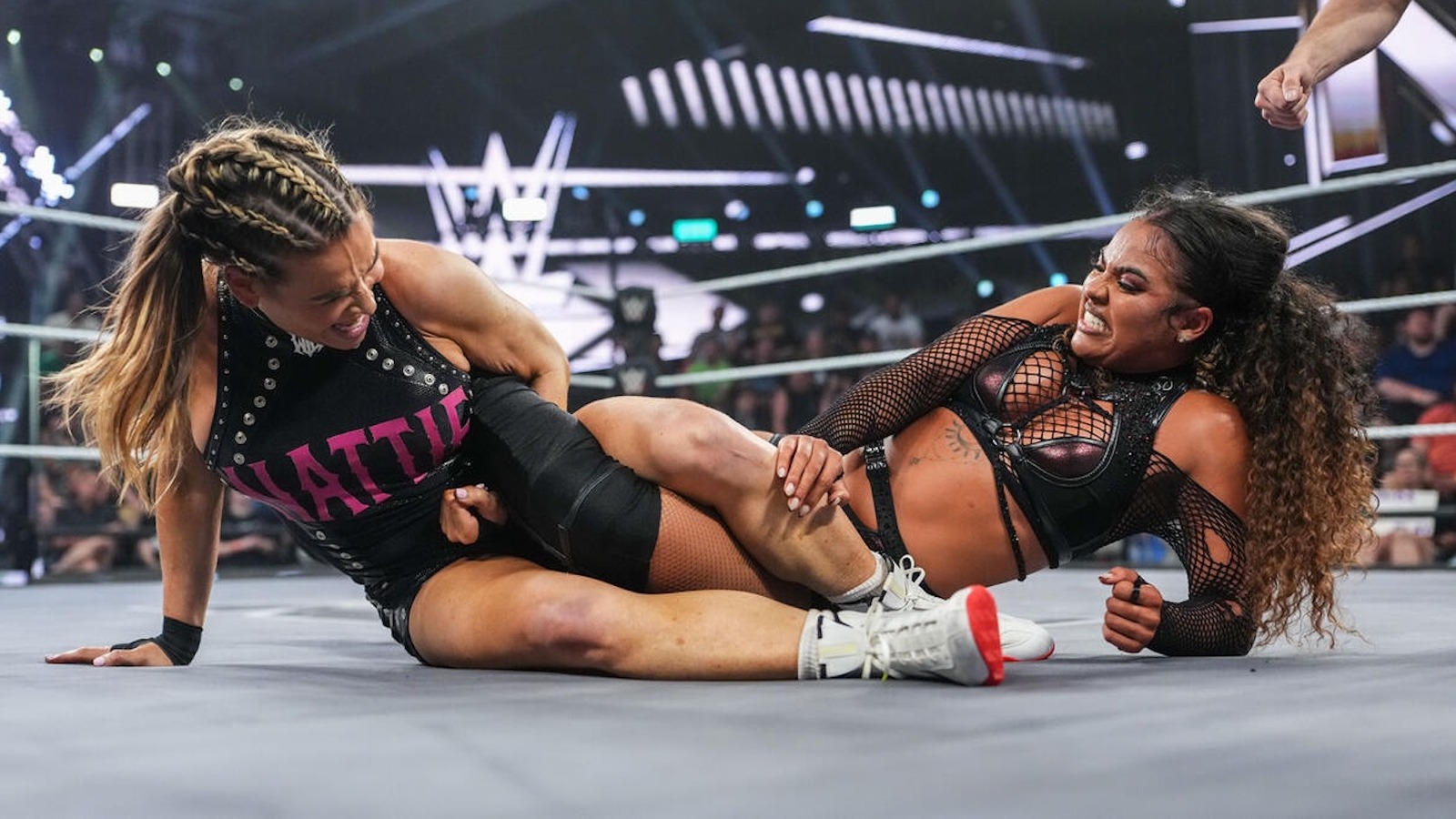
Tuesday night in the WWE NXT Performance Center produced a collision between veteran Natalya and the up-and-coming Jaida Parker. The 13-minute contest tested the physical limitations of both performers. While the match concluded as scheduled, the wear and tear associated with high-impact spots suggests a management challenge for NXT officials regarding recovery protocols.
The match featured several sequences that leaned heavily into stiff mechanics. Parker took a series of landing-heavy bumps that prompted a quiet look into her medical status post-match. WWE officials keep internal logs on concussion protocols and soft-tissue fatigue, and Parker was monitored during the post-show cool-down period. There is currently no active injury report for Parker, but the pace and intensity demanded by the matchup were significant.
The strategic risk of veteran-led programs
Bully Ray noted on his Busted Open show that while he enjoyed the match, the booking outcome was unexpected. When WWE pairs a veteran like Natalya with a talent like Parker, the expectation is often a calculated rub. However, pushing a younger talent through a high-physicality match carries a inherent risk of burnouts or minor strains that don't always surface on camera.
We have seen this play out before. NXT has a track record of running heavy schedules for rising stars. Matches that emphasize a hard-hitting style often result in missed weeks of television due to preventative maintenance. As wrestling news sources reported, the surprise regarding the finish underscores that the creative direction is currently prioritizing unpredictability over stable, predictable storytelling.
Refining the developmental workload
The critique here lies in the necessity of such high-stress bouts for talent still navigating their foundational years. If Parker is to serve as a recurring fixture on the Tuesday night program, the recovery turnover needs to be managed with more precision. The industry standard for NXT wellness has improved, but physical exertion spikes during feuds against legends remain a point of concern for high-upside roster members.
For Parker, this match serves as a badge of durability. Integrating back-and-forth sequences with a wrestler of Natalya's experience level provides a specific kind of training difficult to replicate in the Performance Center alone. Yet, if the match results in an immediate injury hiatus, the payoff is erased. Consistency in the developmental roster requires a careful balance between learning through contact and staying healthy enough to maintain a TV presence.
Looking ahead, the focus shifts to whether Parker will require a modified training schedule leading into next week's taping. WWE management often shields talent from house show loops following matches that register high impact scores on their motion-tracking software. The 13-minute duration is the key statistic here; it indicates a extended period of sustained physical output that rarely passes without consequence.
The broader impact on the industry involves how promotions quantify success in these matches. If a bout is cited by legends as being excellent but results in health concerns, the creative team faces a dilemma. Should they tone down the physicality to ensure roster continuity, or lean in to force developmental talents to adapt to the rigors of the main roster schedule? As of now, the preference leans toward the latter, despite the obvious risks to long-term health.
WWE continues to invest in high-performance tracking and medical hydration protocols. These remain the primary check against the volatility of the industry. For Parker, the coming week is a litmus test for her conditioning levels. If she appears on Tuesday's program without a knee brace or tape, it confirms the medical team cleared the high-impact contest as a successful developmental hurdle rather than a physical liability.
The industry watches these situations closer than ever. Every talent who sustains an injury in a developmental showcase invites questions about the intensity of the curriculum. The goal remains for the Performance Center to act as a funnel to the main roster, not a place for career-halting accidents. So far, the current trend implies a high volume of work, which is rarely a stable long-term strategy for talent management.