The ghosts of the Bingo Hall
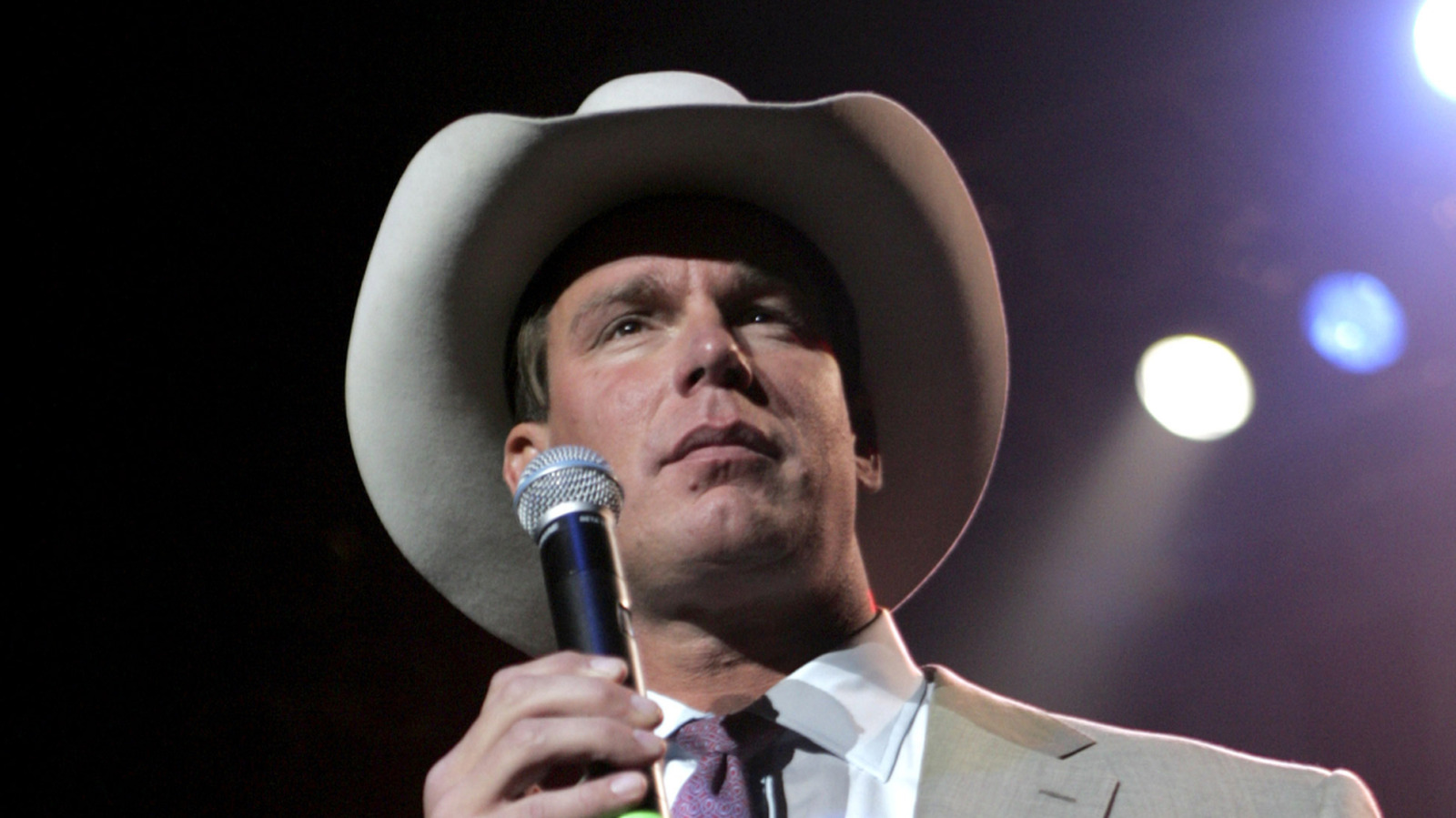
John Bradshaw Layfield does not mince words. When a Hall of Famer openly critiques the corporate sanitation of a brand that was founded on barbed wire and broken dreams, you listen. His recent comments regarding the difference between Paul Heyman's original Extreme Championship Wrestling and the mid-2000s WWE reboot hit the nail on the head. He correctly identified that the magic was never in the high production value.
For the uninitiated, the original promotion wasn't built on professional wrestling standards. It was built on a gritty, DIY ethos that flourished in the South Philadelphia National Guard Armory. The talent operated on a shoestring budget, leaning into shoot-style psychology and extreme risk-taking that would make modern insurance underwriters recoil in horror. As Wrestling Inc recently noted, the attempt at a modern revival fundamentally misunderstood why the audience cared in the first place.
The failure of the corporate reboot
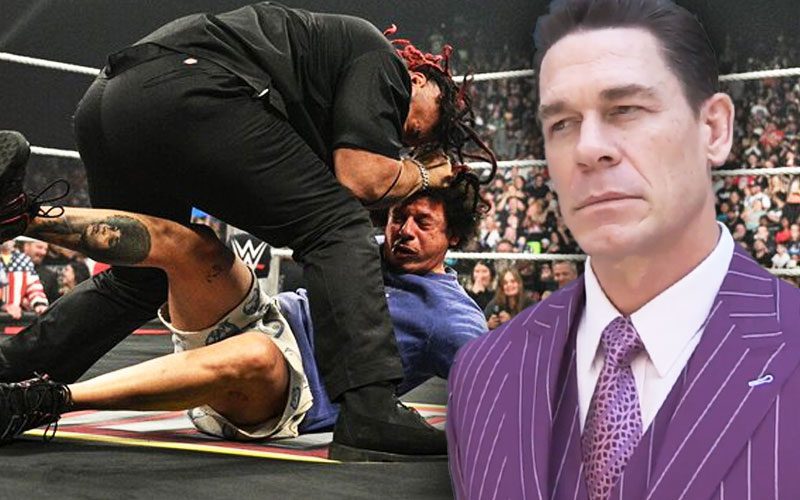
The 2006 reboot was a lesson in how to strip a cultural movement of its soul. WWE executives tried to polish the edges of a promotion that was famous for being jagged. They took characters like Tommy Dreamer and Rob Van Dam and placed them inside a high-definition, LED-lit vacuum. The result was a product that lacked the necessary heat.
JBL pointed out the obvious flaw that many bookers ignored at the time. You cannot replicate a riot in a sterile environment. The original product thrived because it felt dangerous, almost illicit. When that feeling was replaced by scripts and standard commercial breaks, the urgency evaporated. The fans knew they were watching a simulation of rebellion rather than the real thing.
The loss of raw tension
The biggest issue with the revival was the pacing. The matches slowed down to match the standard television format, losing the frantic, non-linear energy that defined legends like Sabu or Taz. Without that specific velocity, the matches felt like watered-down versions of any other mid-card contest on Raw or SmackDown. It was a mismatch of aesthetics and intent.
Criticism of the reboot isn't just nostalgia-baiting; it is about recognizing structural mismatches in booking. A brand relies on its identity to keep its audience. When the promoters change the core DNA of the match style for broader appeal, they usually end up losing the core demographic without actually gaining a new one. JBLs admission that the reboot was poorly done serves as a reminder to current promoters that you cannot manufacture authenticity.
What the industry forgot
Modern wrestling often gets stuck in the trap of wanting to be bigger, brighter, and louder. Yet, we see the most successful moments occur when performers focus on simple, violent storytelling that doesn't rely on massive spectacles. The lesson from the ECW collapse is that once you remove the risk and the raw, unpolished stakes, you are left with little more than choreography.
Looking at the current state of professional wrestling, this lesson remains relevant. Promoters who focus on the polish too early often ignore the connection with the viewer. If the audience doesn't feel the grit, they stop buying into the stakes. WWE spent years trying to erase the memory of the original promotion rather than honoring what made it unique. That mistake is exactly why we still discuss the original movement decades later, while the reboot remains a footnote in a database.
My prediction for this era of booking
I anticipate that we are heading toward a period where companies will stop trying to replicate the past and start leaning harder into distinct, non-corporate identities. The era of the homogenized promotion is under fire. Any company that treats its brand as a cookie-cutter extension of a marketing department will continue to fail with the core audience. The lesson is simple: keep the camera lenses clean, but let the wrestling remain dirty.