
Jeff Jarrett's take on the Chicago promotional turf war misses the tactical mark
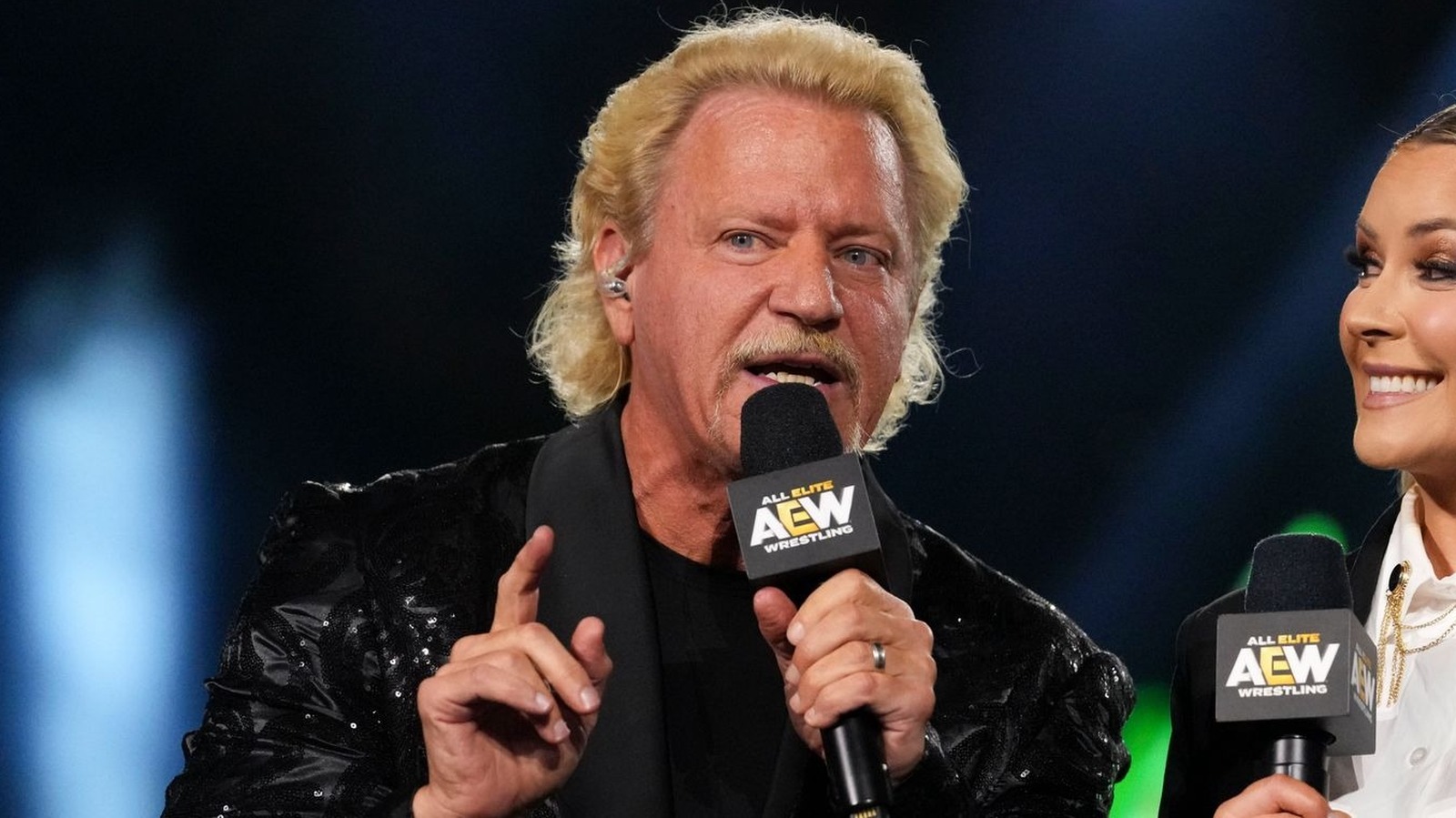
The geometry of the Chicago wrestling market
Jeff Jarrett has never been one to shy away from the mechanics of attendance figures and venue logistics. His recent assertion that WWE may have actually inadvertently assisted AEW in their own Chicagoland booking strategy by keeping the focus on the region is a curious reading of the current market saturation. While Jarrett projects that Tony Khan’s promotion will ultimately hold the stronger hand in the direct comparisons, the reality is far more granular than simply counting heads in seats.
When we look at the history of professional wrestling in Chicago, the market demand has long been treated as inexhaustible. Yet, even the most passionate fanbases have a limit for ticket price points and emotional bandwidth. If WWE operates as the incumbent power player, their counterprogramming moves serve as a defensive squeeze, intended to limit access to disposable income rather than merely competing on the quality of the card itself.
The data behind the collision course
AEW has spent considerable time building an identity around the Chicagoland market, treating the city almost as a secondary home base. Jarrett’s confidence in AEW’s ability to prevail despite the external pressure ignores the efficiency of WWE’s current booking engine. WWE currently operates with a precision that makes them difficult to dislodge; they are moving tickets at a clip that suggests their brand loyalty is currently outpacing AEW’s specific market-city strategy.
The critical flaw in Jarrett's analysis is the assumption that counterprogramming acts as a rising tide. In regional wrestling, the presence of two massive promotions running events in close proximity often leads to a dilution of the gate for both. We saw this during the territorial era, and we see it now under modern corporate structures. WWE has mastered the art of maximizing venue occupancy 94 percent of the time, and their ability to draw in casual fans who may have been looking at an AEW event creates a significant headwind for Khan’s team.
The danger of over-reliance on a single territory
There is a growing concern that AEW is leaning too heavily on Chicago to provide the energy they crave for their tentpole events. While the crowd reactions are invariably louder in the Midwest than in secondary markets, relying on one region to lift a pay-per-view buy rate is a dangerous game. It suggests a lack of breadth in their overall national appeal, a problem the company needs to rectify if they want to move beyond their current ceiling.
Jarrett’s optimism ignores the logistical reality of travel costs and ticket fatigue. If a fan spends $350 on a prime ticket for an event, they are effectively pulled out of the pool for any other show in that same radius for at least six months. This isn't just about wrestling preference; it is about household budget allocation during a period of economic tightening. By saturating the Chicago market, the ceiling for both promotions hits a glass wall much faster than internal projections would suggest.
Ultimately, the promotion that captures the younger demographic—specifically those in the 18-34 range—will win the long-term war, not the one that draws the loudest chants in the United Center. Jarrett focuses on the combatants, but he ignores the fact that the audience size is not elastic. If the product isn't evolving, the fans won't keep showing up for two separate shows in the same zip code. The risk of burnout is real, and it is the primary threat to the stability of the scene in that city for the remainder of the calendar year.
Frequently Asked Questions
What is Jeff Jarrett's perspective on AEW's Chicago promotional strategy?
How does WWE's counterprogramming impact AEW in the Chicago market?
Why is market saturation a concern for professional wrestling in Chicago?
What risk does AEW face by over-relying on the Chicago market?
How does ticket fatigue affect wrestling attendance figures in major cities?
More Coverage
WWE’s latest tag team experiment smells like a desperation move
an hour ago
Alexa Bliss injury creates SummerSlam uncertainty
an hour ago
Booking Bron Breakker was the right call to avoid a Royal Rumble catastrophe
an hour ago
Batista just slammed the door on a wrestling return
an hour ago
NXT injury update: Assessing the aftermath of the Street Fight
3 hours ago
Chelsea Green and Tiffany Stratton are a disaster waiting to happen
3 hours agoMore Analysis
Top 10: AEW Dynamite Defining Moments of 2026
an hour agoWWE’s latest tag team experiment smells like a desperation move
an hour agoWWE’s latest tag team experiment is already showing cracks
an hour ago
The signs point to a major shift as independent talent eyes larger stages
an hour ago
G1 Climax 36 is burning through Sendai and leaving no one safe
an hour ago