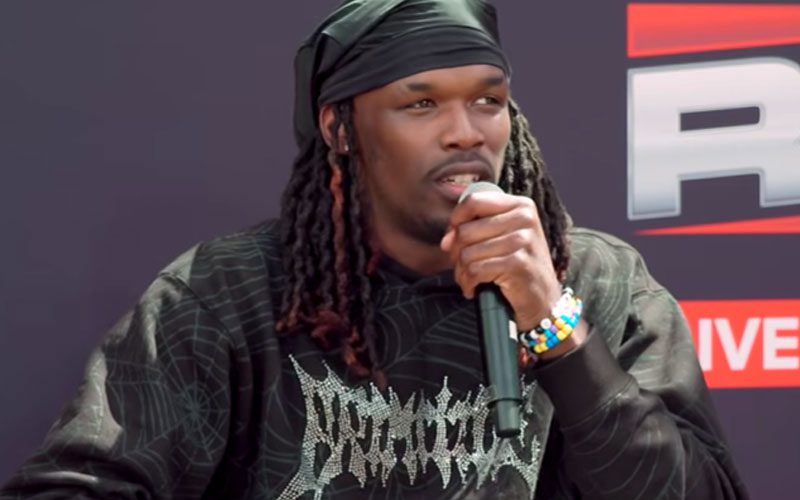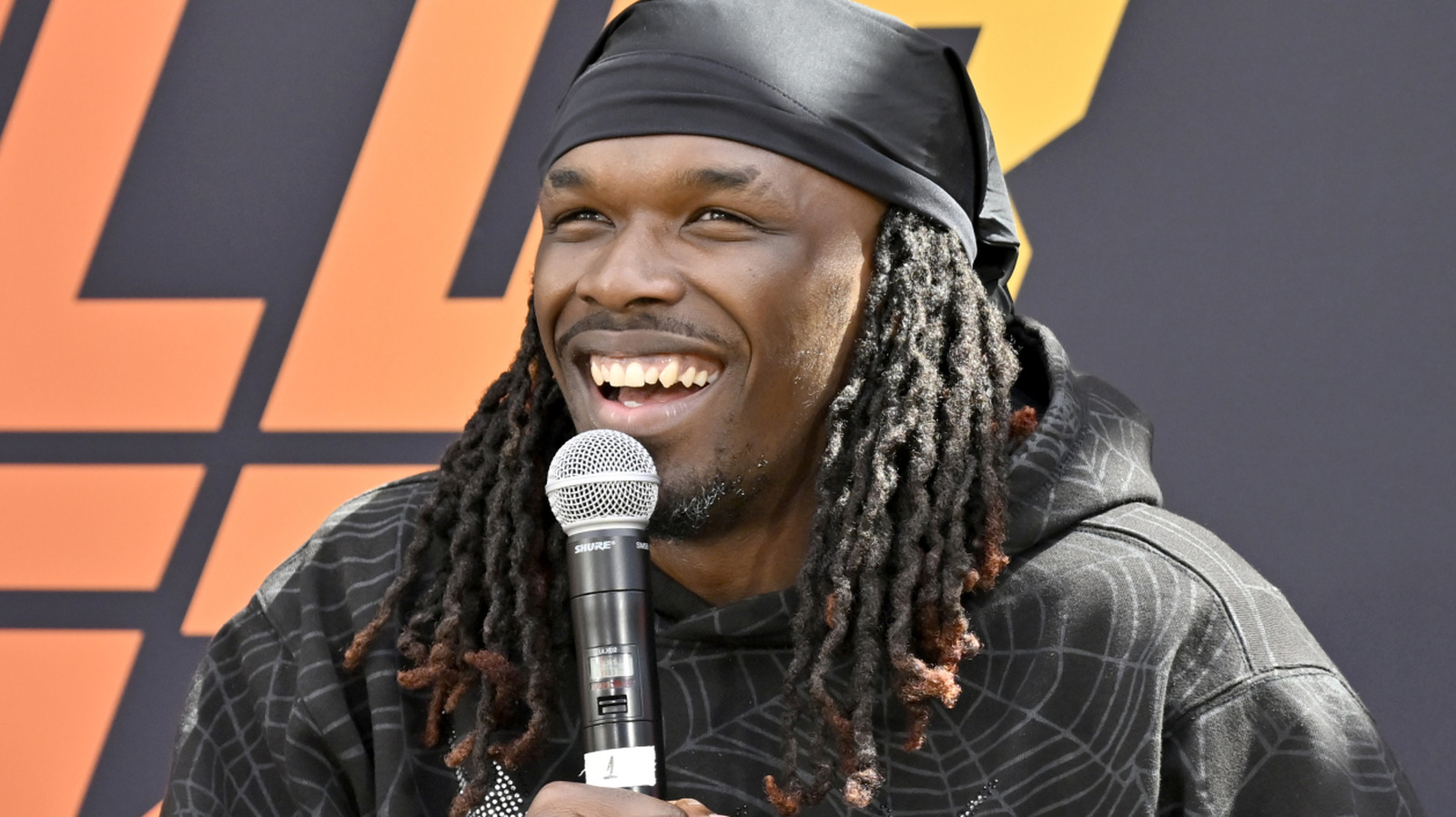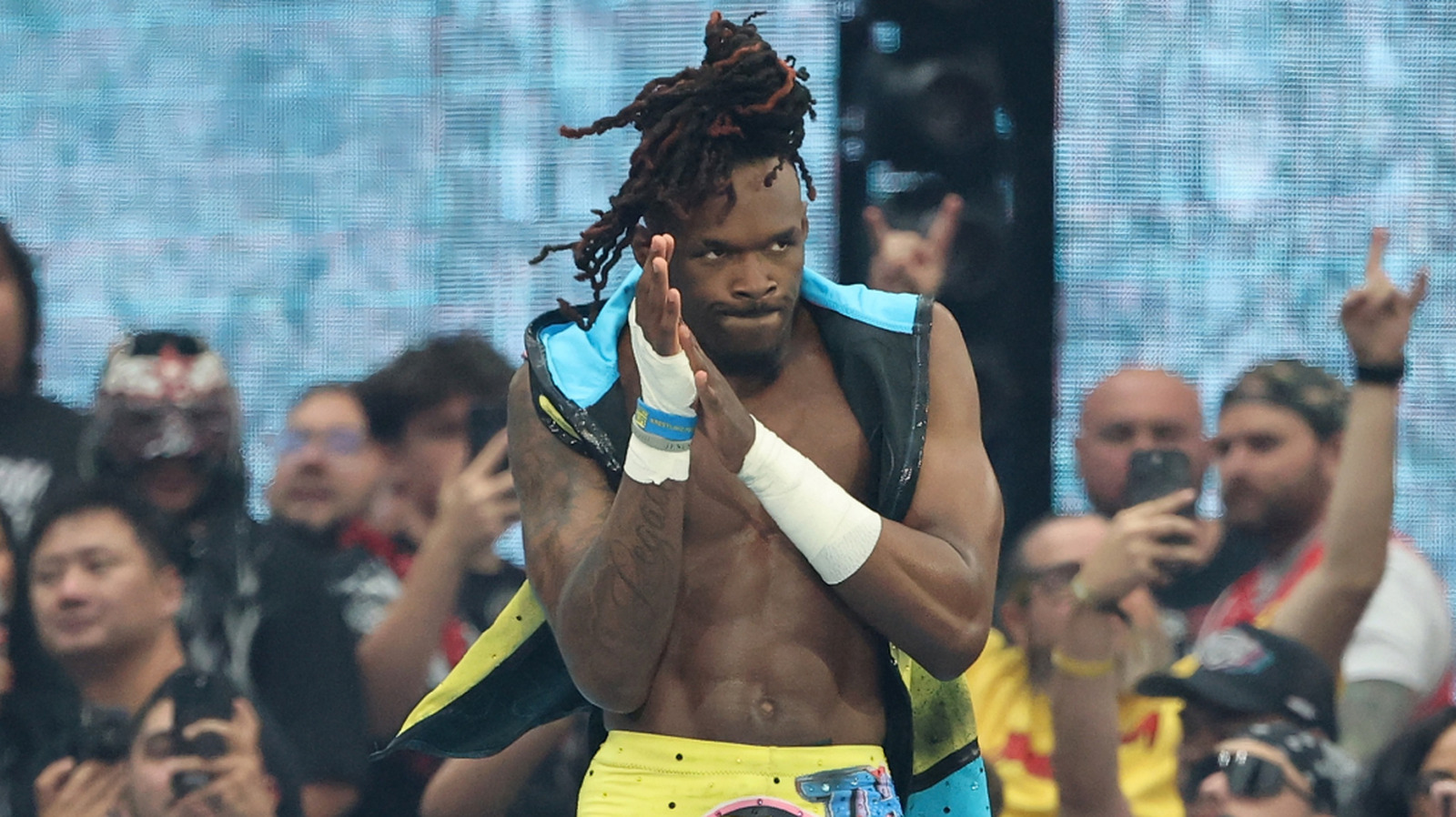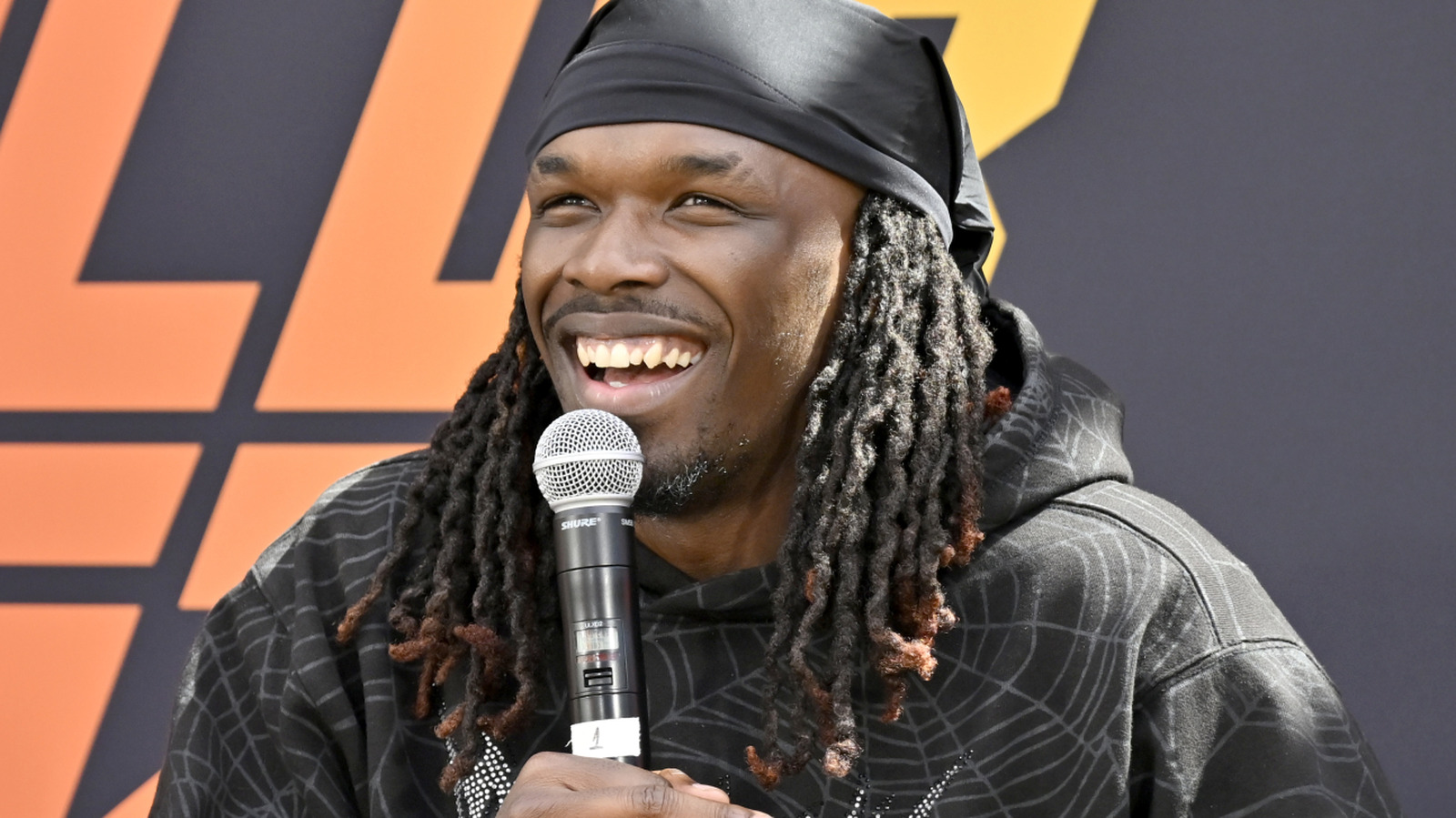
The transition from NXT phenom to main roster fixture
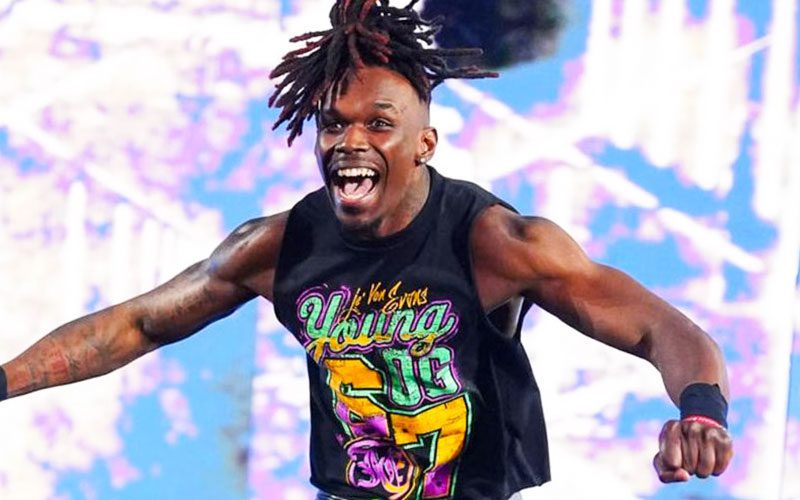
Je'Von Evans arrived on the main roster in early 2026 with a frantic, high-velocity style that forced older opponents to play catch-up. Now that he has publicly reflected on his favorite in-ring performances, the tactical question shifts from what he has done to how he sustains it. As Wrestling Inc reported, Evans is clearly satisfied with his recent output. But satisfaction is the enemy of evolution in a division defined by cold, efficient veterans.
Watch the film from his recent bouts and the pattern is obvious. Evans relies on a burst-heavy offense, often burning 40 percent of his stamina in the first eight minutes to elicit crowd reactions. This creates a dangerous liability. When the match extends beyond the 15-minute mark, his closing sequences lose technical precision. A high-flying transition, like a springboard hurricanrana into a basement dropkick, requires perfect timing. Without fresh legs, those margins disappear.
The pacing trap of the modern independent graduate
Evans faces the same hurdle as many recent call-ups who prioritize spectacle over economy. He currently functions like a sprinter in a marathon. If he cannot dictate the pacing of his matches by forcing opponents to work his specific brand of chaos, he becomes reactive. A reactive wrestler is a wrestler waiting for the next cut-block or grounded hold to dismantle his rhythm.
His reliance on crowd-pleasing spots often ignores the underlying psychology of the ring. During a match on May 19, he missed a clear opening to transition into a crossface while his opponent was reeling from a superkick at the 12-minute mark. Instead, he opted for an unnecessary turnbuckle climb, allowing his opponent to reset and eventually capitalize with a spinebuster. This obsession with style over substance creates long-term booking concerns.
The road to established legitimacy
If Evans wants to move beyond the "promising prospect" label, he must pivot. His current ceiling is defined by his athleticism, but his floor is dictated by his lack of defensive versatility. He needs one reliable, high-percentage technical maneuver to force opponents to stop sprinting and start selling. Without this, he remains a highlight reel waiting for a veteran to exploit his lack of depth.
The scheduling is becoming a secondary issue, as WWE’s counter-programming obsession continues to dilute the impact of mid-card talent performances. With the FIFA World Cup kickoff on June 11, the attention economy is shifting. If Evans cannot provide a cohesive, tight 10-minute clinic, he risks fading into the background of a bloated roster.
Prediction: A cold reality check is coming
My prediction for his next major outing is a loss—and it will be a necessary one. He will likely encounter a veteran who refuses to play at his tempo, forcing him into a slow, grinding match that ignores his strengths. Expect him to lose via submission at the 18-minute mark after failing to adapt to a grounded, limb-focused attack. He is an elite talent, but the arrogance of his current pacing will be his undoing until he learns that less is often much more.