The Architect of Nostalgia Drops Knowledge
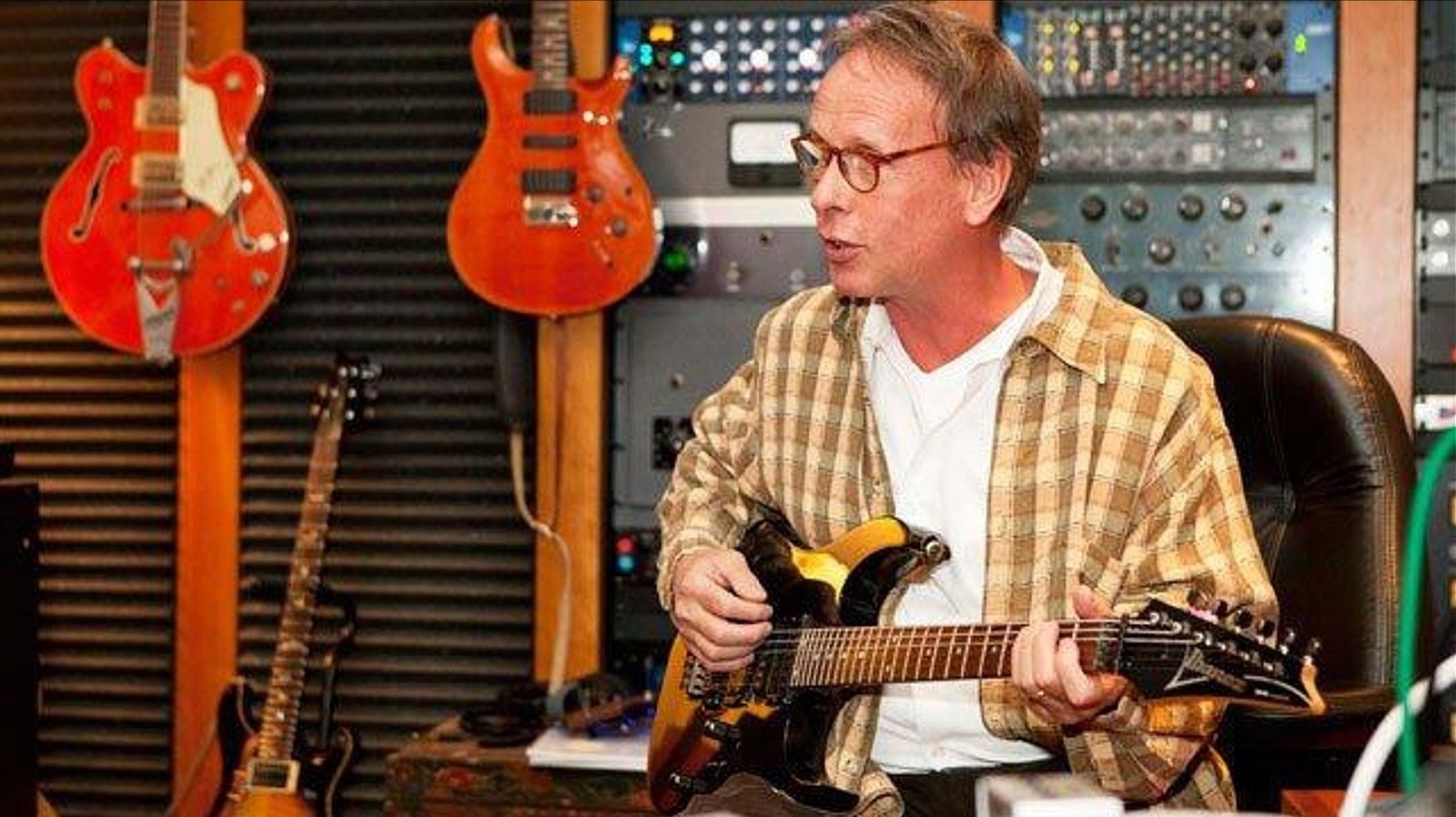
If you close your eyes right now and listen closely, you can hear a shattered glass window, a roaring Austin 3:16 shirt crowd, or a heavy gong echoing through an arena. You don't need a music degree to recognize those soundbites because Jim Johnston programmed them directly into your central nervous system. The legendary WWE composer recently broke down his creative process for building iconic theme music, and honestly, reading it feels like getting a masterclass from a guy who understood pro wrestling better than most head writers.
Johnston didn't just write background music; he built audio identities for larger-than-life characters. During the Attitude Era and Ruthless Aggression eras, a theme song wasn't just a track pulled off a generic royalty-free library. It was the exact moment an arena exploded into total pandemonium or erupted into deafening boos.
Understanding the Character Before Touching a Keyboard
What made Johnston's work so special was how deeply he dug into the persona of the performer. He didn't just toss a heavy riff at every big muscular guy who walked through the curtain. He sat down, analyzed their gimmick, understood their physical presence, and sculpted an entrance that told a story before the wrestler even hit the ramp.
When you look at Steve Austin's theme, it wasn't just distortion and drums. The glass break acted as an immediate alarm bell that told 20,000 screaming fans to stand up immediately because someone was about to get a Stunner. The Undertaker's funeral dirge gave you goosebumps regardless of how old you were. The Rock's theme blended arrogance, swagger, and rhythm into something that felt like a stadium rock anthem.
The Lost Art of the Entrance Theme
Let's be real for a second over a cold pint: modern WWE themes have a major identity problem. Half the roster enters the ring to generic, cookie-cutter trap beats or bland synth riffs that sound like they were pulled straight from an royalty-free stock website. When an unannounced return happens today, half the audience spends the first ten seconds looking at each other trying to figure out whose music is playing.
That never happened with Johnston. He treated entrance themes with the exact same reverence a Hollywood composer gives a film score. If a wrestler changed alignment, the music evolved with them to reflect that psychological shift.
Why Modern Def Rebel Music Feels Like Budget Stock Tracks
Comparing Johnston's legendary library to WWE's current musical output feels like comparing a prime ribeye steak to a microwaveable frozen dinner. Sure, Def Rebel has produced a few solid tracks over the years, but the vast majority of the current roster suffers from uninspired, repetitive tracks that lack any real soul or memorable hooks.
Johnston understood that a theme song isn't background noise while Michael Cole reads corporate sponsor reads. It is the premier entrance tool to sell a wrestler's star power. Until WWE internalizes how Johnston approached the creative process, we are going to keep getting generic arena noise instead of classic wrestling anthems that live forever in our head space.