The road back to the broadcast booth
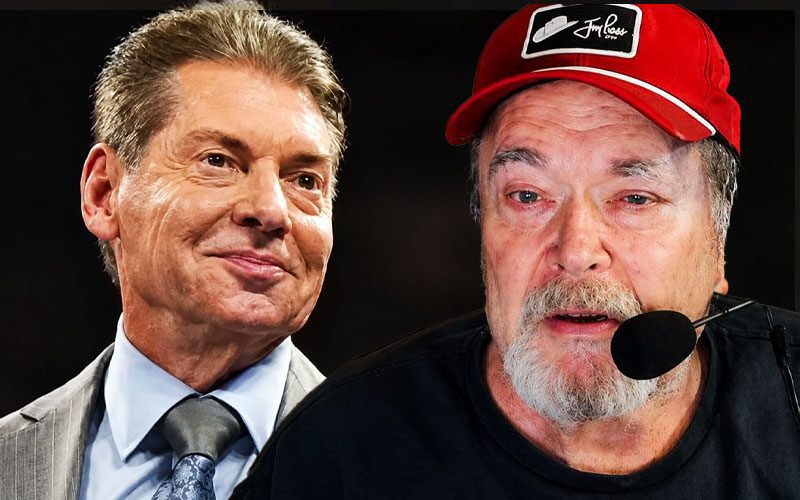
Jim Ross is preparing for a significant medical milestone as he enters surgery for an undisclosed brain condition. Despite the gravity of the procedure, the legendary broadcaster remains fixated on returning to his role at the AEW commentary desk as soon as medically cleared.
Reports indicate that Ross has already identified a potential return date to the company’s programming. While the recovery process for any craniological intervention is unpredictable, his internal clock is clearly set on making it back to the microphone. The wrestling industry has seen many icons struggle with health issues, but Ross’s insistence on a specific return timeline is typical of his decades-long dedication to the sport.
Historical context of veteran injuries
This is not the first time JR has faced significant health hurdles while under contract. His medical history includes battles with skin cancer and complications related to his lower extremities, which have occasionally forced him to adapt his travel and broadcast schedule. The physical toll of the road, combined with the stress of live television, has consistently tested his capacity to serve as the sport's primary voice.
His situation serves as a stark reminder of the long-term impact on performers and announcers who spent decades in the trenches of the territory era and the subsequent boom periods of the 1990s. Unlike a modern superstar who might handle an injury via a regimen of targeted physical therapy, brain surgery requires a level of caution that cannot be rushed by mere willpower or contract requirements.
Strategic impact on AEW and the booth
From a production standpoint, the absence of Ross leaves a void in the booth that current options struggle to fill entirely. His gravitas brings a sense of legitimacy to high-stakes matches that younger or less experienced play-by-play callers have yet to mirror. Without him, AEW must rely on its depth chart, which has proven hit-or-miss in terms of chemistry during his previous absences.
There is also the matter of his perspective on the industry itself. Ross has never been shy about his opinions on talent usage, such as his notable comment that Charlotte Flair has probably been underbooked throughout her career. His ability to look at the industry objectively—and occasionally critically—is what makes his commentary indispensable to the core fanbase.
The shadow of the old guard
Beyond the medical logistics, recent discourse from Ross suggests that he does not see the old guard of professional wrestling disappearing anytime soon. Even as the business accelerates toward new metrics, Ross continues to track the moves of industry figures like Vince McMahon. According to reported comments from JR, the belief remains that McMahon is not truly done with the wrestling sphere, regardless of current external narratives.
Critics might point to this as a sign of an era that refuses to fade out, potentially hindering the natural evolution of new creative voices. If the industry remains tethered to the figures of the past, the capacity for new talent to redefine the presentation of wrestling remains restricted. Ross himself is the most prominent example of this tether; his voice is synonymous with the historical record of the industry, making the prospect of his permanent departure a daunting one for the promotion.
The upcoming recovery timeline
The success of the surgery will be measured not just by the procedure itself, but by the neurological impact on his ability to maintain the rapid-fire reaction speed required for color commentary. The industry will wait on further updates from his camp in the coming weeks. For now, the focus is entirely on the 30 to 45 day window that analysts suggest is the standard minimum for regaining full cognitive focus after such procedures.
AEW fans understand that a broadcast booth without his signature gravelly tone is fundamentally different. While talent management will certainly have a plan B, the reliance on such an aging legacy broadcaster highlights a lack of effective succession planning within the promotion. If the surgery goes well, we may see him return to the desk by late summer or early autumn, but a rushed return could prove more costly than any temporary loss of broadcast quality.