The Ultimate Safety Net is Gone
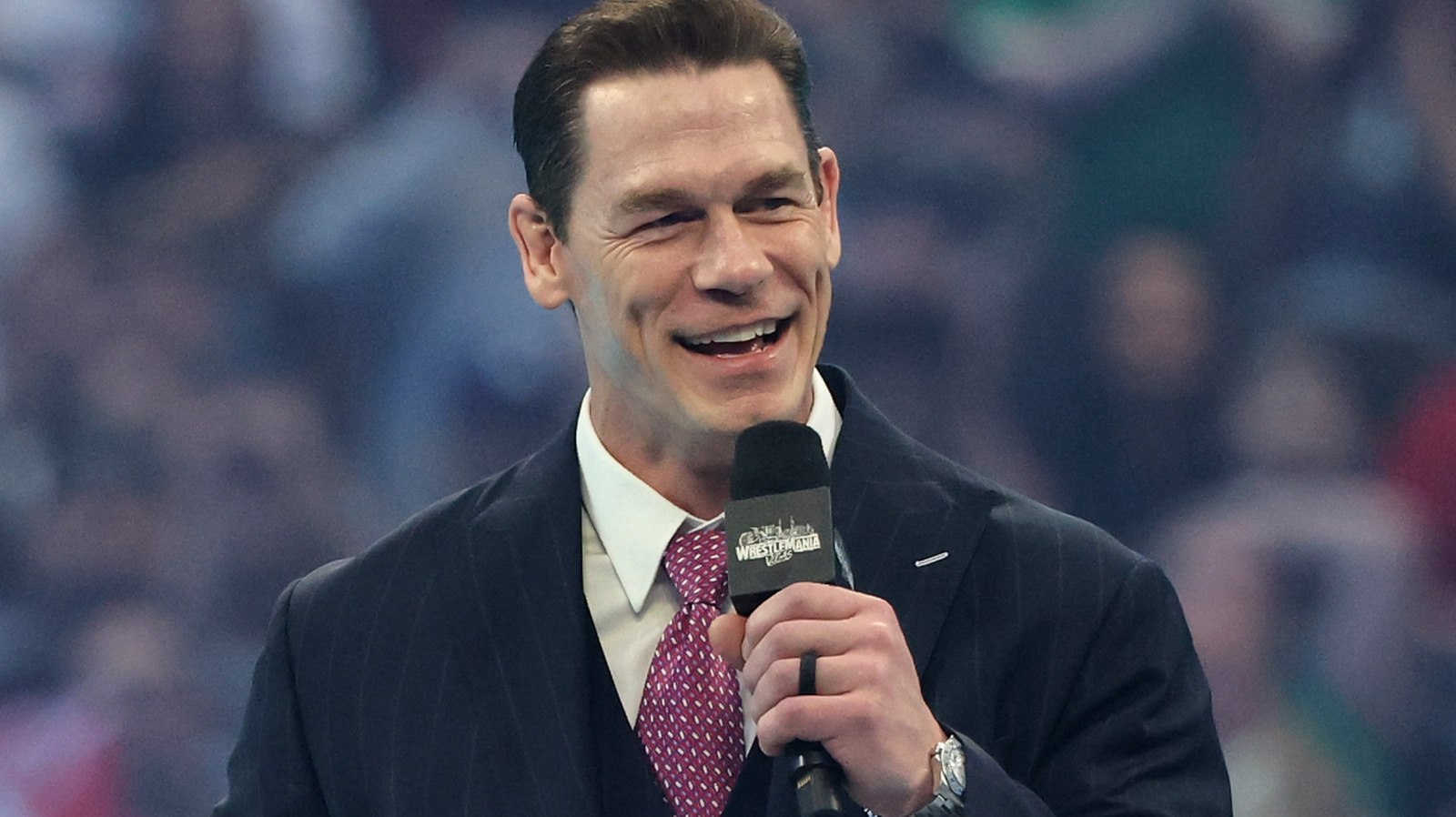
Exactly one month ago, Allegiant Stadium watched John Cena lace up his boots for the final time. WrestleMania 41 delivered the farewell everyone expected. The merchandise sold out in record time.
The crowd pops were deafening. The broadcast leaned into the nostalgia with heavy hands, bringing out old rivals and familiar faces to give him his flowers.
But when the dust settled on April 19, WWE woke up to a reality they have been dreading for a decade. The ultimate safety net is gone.
Cena is officially a non-wrestler. You will not hear the trumpets hit as a surprise entrant at the Royal Rumble. He is not doing a one-off in Saudi Arabia for a massive payday. The 17-time world champion is retired, leaving a void that no single performer can immediately fill.
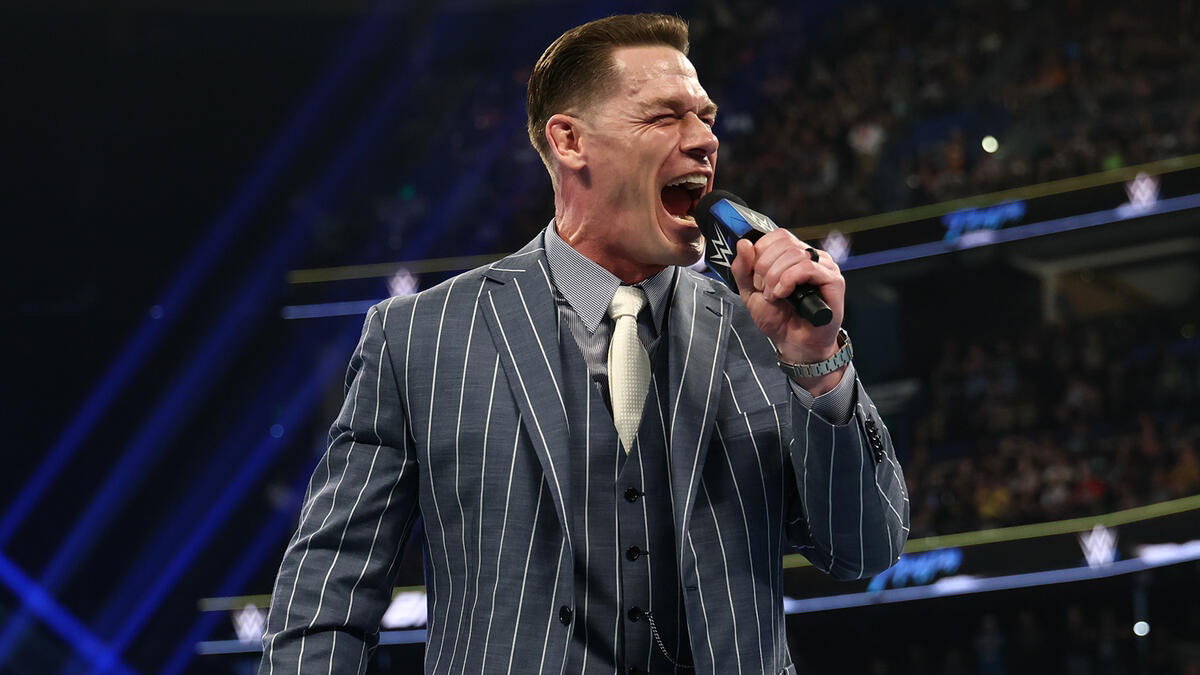
So what happens now? According to Cena himself, the work is just beginning. In recent comments about his post-in-ring life, he made his intentions perfectly clear regarding his future with the company.
"My goal is to leave the business better than I found it."
It is a great soundbite for the press. But parsing what that actually means reveals a lot about WWE's current creative direction under Triple H.
The Ugly Truth About the Farewell Tour
We need to talk about what Cena meant to the locker room during his final run. Since returning for his farewell tour, his matches were rarely classics. Let's be brutally honest about that. His timing was often a beat slow, and his physical limitations were obvious after years of wear and tear.
The booking relied heavily on his aura rather than his in-ring execution. WWE management masked his declining ring speed by keeping his matches short or hiding him in multi-man tags. His final few television bouts felt more like victory laps than competitive athletic contests.
His value in 2025 and 2026 had nothing to do with star ratings. He was there to prepare the next generation. Cena stepping away from the camera and into a full-time mentor role is a massive shift in how WWE develops its top-tier talent.
Look at the current roster. The Bloodline saga continues to dominate television week in and week out. Cody Rhodes is defending the WWE Championship and carrying the company banner. But underneath the main event scene, there is a glaring inconsistency in main-event ready babyfaces.
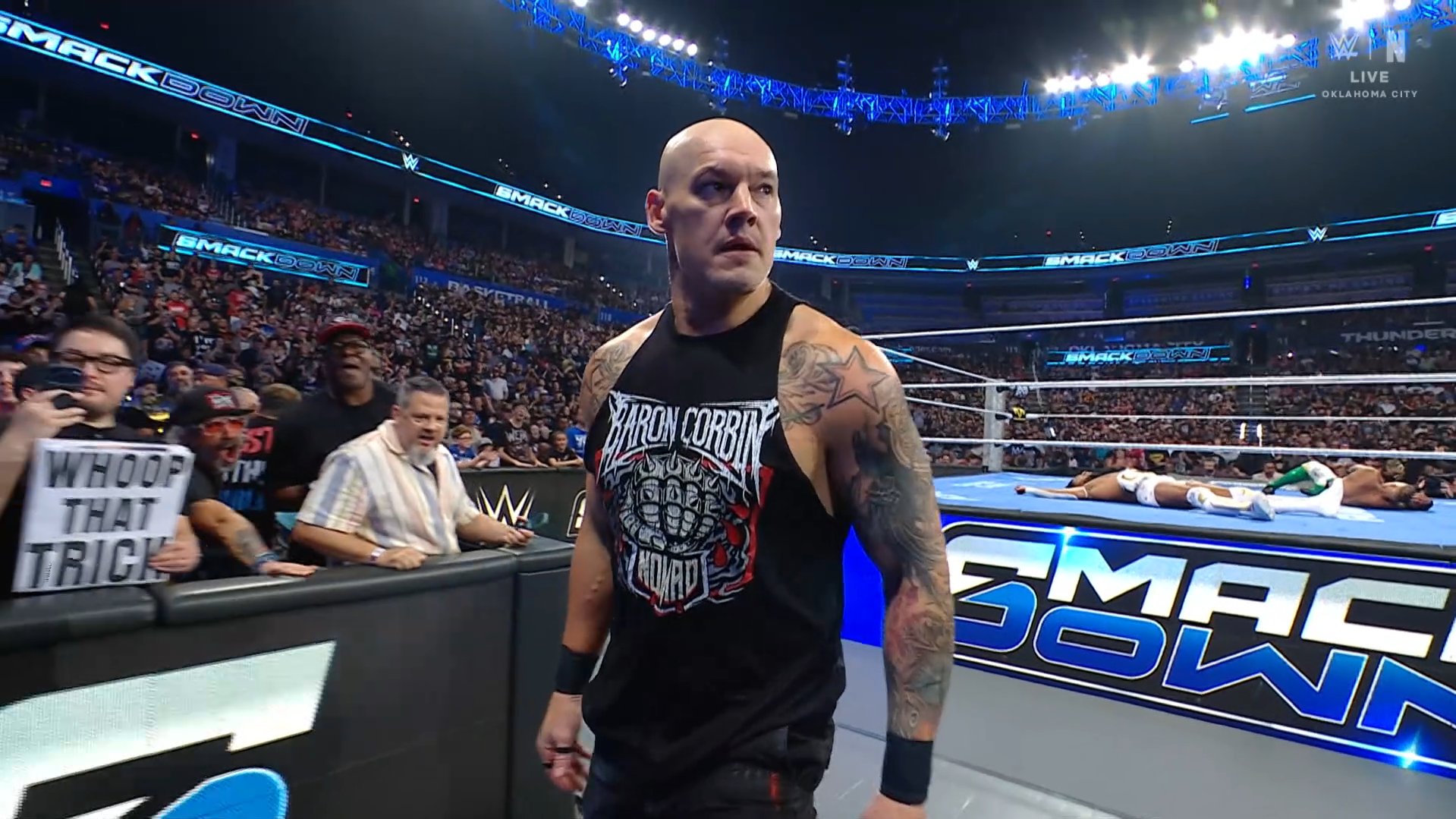
Bron Breakker is terrifying but still raw between the ropes. Carmelo Hayes is still figuring out the main roster pacing. Trick Williams has the entrance and the undeniable charisma, but he needs the reps in high-pressure situations.
A Finishing School for Main Eventers
Cena's new role is essentially a finishing school for these guys. He knows how to manipulate a live crowd better than almost anyone breathing. When he says he wants to leave the business better than he found it, he is talking about ring psychology and the dark art of crowd control.
There is an obvious danger here, though. WWE has a bad habit of trying to manufacture the next John Cena. We saw it with Roman Reigns for five painful years before they finally relented and let him turn heel. If Cena's influence backstage means teaching young talent to act exactly like him, that is a disaster waiting to happen.
The current roster does not need more white-meat babyfaces reading heavily scripted promos about hustle, loyalty, and respect. They need authentic characters who can connect with a cynical modern audience.
Thankfully, early indications suggest Cena is aware of this trap. His recent interactions with talent have reportedly been about finding their own unique voice. He is pushing them to understand the mechanics of crowd reaction rather than just memorizing lines.
Why did the crowd boo when you hit that transition move? Why did they erupt when you simply paused and looked at the hard cam? These are the questions Cena is forcing younger wrestlers to answer.
The Performance Center Disconnect
Consider the immense pressure on the WWE Performance Center right now. The developmental system routinely produces incredible athletes. They can do standing shooting star presses, flip out of headscissors, and run the ropes with terrifying speed.
But a lot of them struggle to string together a coherent narrative between the bells. They know how to do moves, but they do not know how to wrestle.
This is where Cena slots in perfectly. He is the guy who could get a stadium of 80,000 people to erupt just by slowly removing his wristbands and throwing them into the crowd. Teaching that intangible skill is nearly impossible. But if anyone can break it down into digestible, teachable elements, it is him.
Let's zoom out to the broader wrestling scene for a moment. We are just five days away from AEW Double or Nothing on May 24. The competition in the industry remains fierce. AEW is continuously throwing massive resources at free agents and producing high-workrate pay-per-views that appeal to the hardcore base.
WWE cannot just rely on nostalgia acts anymore. With The Undertaker, Triple H, Shawn Michaels, and now Cena all retired, the crutch is gone. They need a steady, reliable pipeline of bankable stars who can draw money on their own names.
The Hollywood Complication
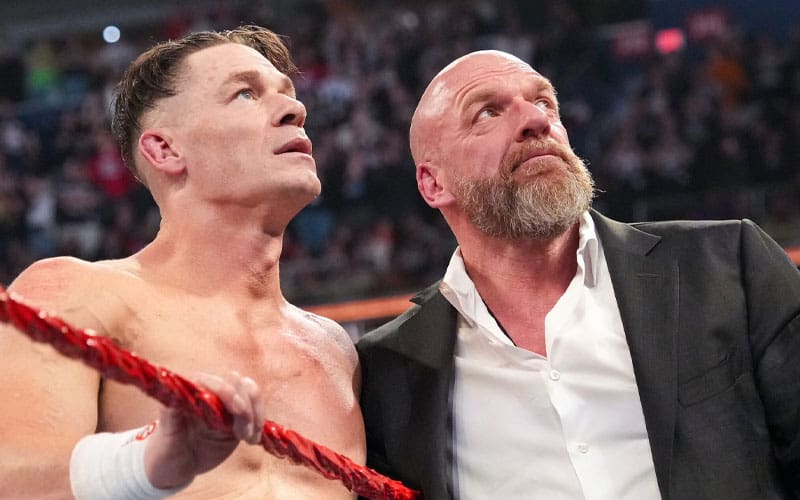
Cena acting as a bridge between the front office and the locker room is fascinating. He has the ear of Triple H and the creative team. He has the undeniable respect of the boys in the back. If a young talent is struggling with their creative direction, Cena is the perfect sounding board to mediate between management and the performer.
But will he actually be around enough to make a tangible difference? That is the biggest question mark hanging over this entire endeavor. Cena is a legitimate Hollywood star now. He has demanding filming schedules, exhausting press junkets, and a very busy life outside of the wrestling bubble.
It is incredibly hard to be a meaningful mentor via a Zoom screen or a quick text message. For this to truly work, he needs to be physically present at the Performance Center in Orlando. He needs to be hanging around the gorilla position at Raw and SmackDown tapings on a regular basis.
You cannot teach ring psychology from a movie soundstage in Atlanta. You have to be in the building, feeling the energy of the live crowd alongside the talent you are trying to mold.
Navigating Backstage Politics
The transition from an active, top-tier competitor to a backstage figure is notoriously difficult. A lot of historically great wrestlers make terrible coaches. They get frustrated when young talent cannot instinctively grasp concepts that came naturally to them.
Cena has always been presented as a patient guy, but patience is only half the battle. He also has to navigate the complex politics of WWE's current backstage environment.
Triple H has his own trusted circle of agents, writers, and producers who have been running the show. Shawn Michaels runs the NXT brand completely his way. Cena coming in with a broad mandate to improve the locker room could easily ruffle feathers if his advice conflicts with the established producers.
We saw flashes of his intense coaching style during his recent feuds over the last few years. The way he verbally walked Austin Theory through their WrestleMania 39 build was incredibly telling. The match itself was ultimately underwhelming, but the promos leading up to it were masterclasses in exposing a character's weaknesses.
Cena forced Theory to sink or swim on live television. He did not pull his punches, and he made it clear that surviving a promo battle with him was the real test.
The Final Prediction
He will likely apply that exact same intense pressure behind the scenes. Cena is not going to hand out participation trophies to wrestlers who coast on their athletic ability. If a promo sucks, he will say it sucks. But unlike the old days of executives screaming at talent in the gorilla position, Cena's feedback is reputed to be constructive and analytical.
This is a pivotal moment for WWE. The Endeavor era is in full swing, and the business is booming financially. But creatively, they are entering unchartered territory. The Attitude Era stars are entirely gone. The Ruthless Aggression era is officially closed with Cena hanging up his jorts for the last time.
It is entirely on the shoulders of the current generation now. Cena knows this better than anyone. His recent comments about his post-retirement goals feel like a stark acknowledgment of his own mortality in the wrestling business. He cannot save a sagging quarter-hour rating with a surprise run-in anymore.
Instead, he has to build the people who will. The mechanics of this transition will be fascinating to watch unfold over the next year.
My prediction is simple. Within the next eighteen months, we will see a marked difference in the promo abilities of the mid-card. Cena's fingerprints will be all over the next wave of NXT call-ups who transition to the main roster. It will not be a perfectly smooth ride. Some younger talent will inevitably bristle at his old-school, demanding approach. There will absolutely be backstage tension when his feedback contradicts a writer's vision.
Ultimately, though, his presence as a teacher will elevate the entire roster. WWE will be a better, more grounded wrestling company for it, even if we never get to see him hit another Attitude Adjustment.
Read Next