The creative risk that alienated everyone
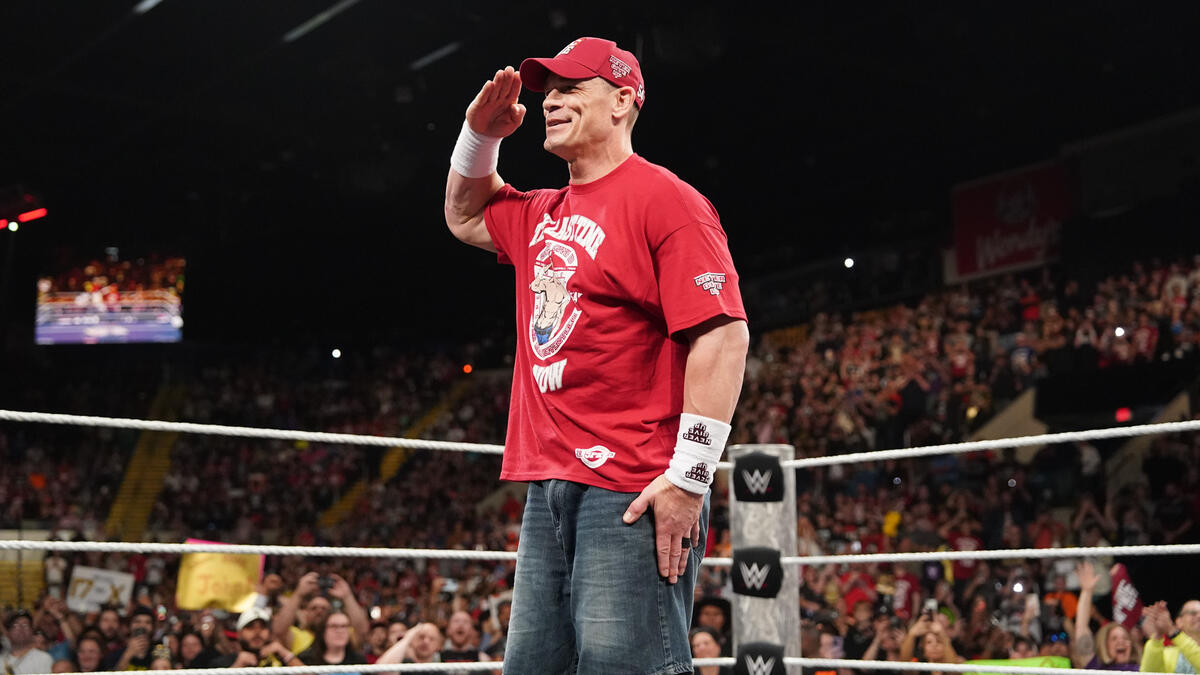
John Cena wants you to believe his final match was a misunderstood masterpiece.
In a recent interview quoted by WrestleTalk, Cena finally addressed the mounting backlash over his WWE heel turn and the shocking decision to tap out in his farewell match.
"I always enjoy a creative challenge, I’m not afraid to take those risks."
It sounds incredibly smart in a press release. It has the distinct ring of a Hollywood actor defending a pretentious independent film. But it completely misses the point of why people buy tickets to see John Cena in a wrestling ring.
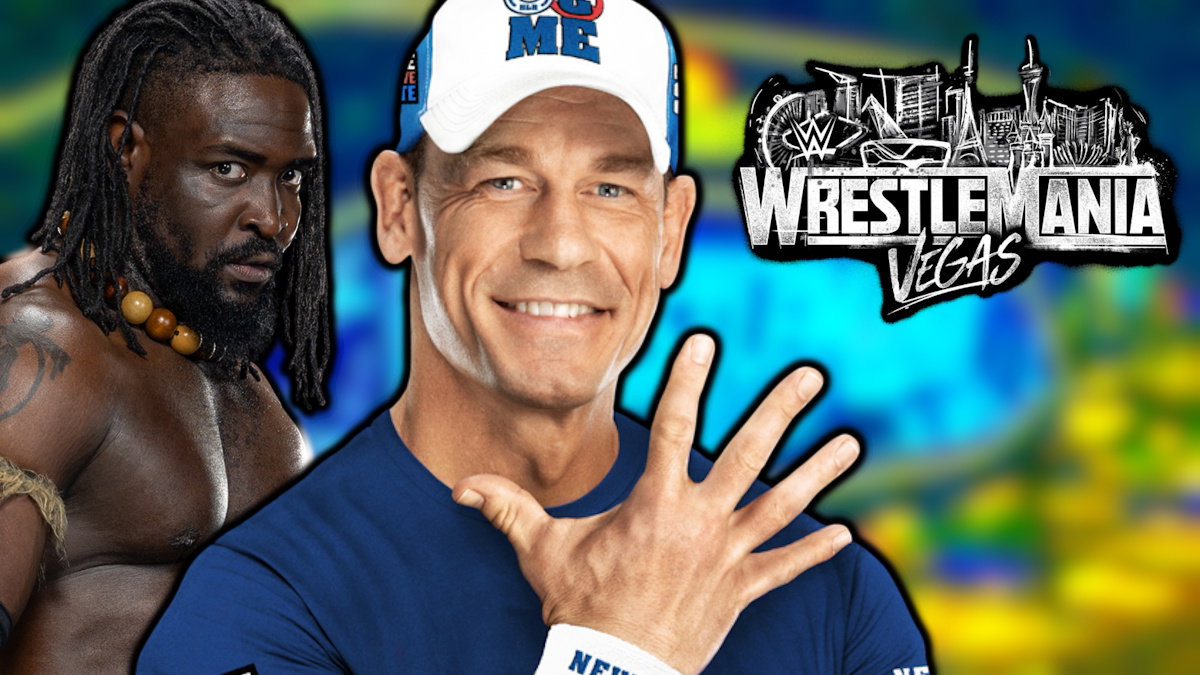
It is May 21, 2026. We are barely a month removed from WrestleMania 41 in Las Vegas, and the bad taste hasn't washed out. Cena's retirement tour kicked off last year, building momentum over months before culminating in what was supposed to be a legendary goodbye on Night 1 at Allegiant Stadium. We all knew the end was coming. What we didn't expect was the deliberate, almost hostile alienation of his core audience.
A failure of basic wrestling psychology
Retiring as a bad guy is a notoriously tricky wire to walk in professional wrestling. Think about the greats who bowed out on the grandest stage. Shawn Michaels went out fighting the Undertaker in Arizona, leaving his soul on the mat. Ric Flair wept openly as Michaels told him he loved him before hitting Sweet Chin Music. Those matches worked because they gave the audience permission to grieve. The fans got to say a proper, emotional goodbye.
Look across the aisle at how AEW handled Sting just a few years ago. They gave him a wild, violent run that culminated in a chaotic tag team match. Sting hit his signature spots, the crowd went insane, and he left as a hero. It was simple booking, and it was perfect. With AEW Double or Nothing 2026 just three days away, you can bet their management is looking at the Cena fallout as a masterclass in how not to book a legend's exit.
Cena denied us that catharsis. He denied the kids who grew up wearing neon green sweatbands. He denied the adults who spent a decade ironically singing "John Cena Sucks" only to realize, somewhere around 2015, that they actually loved the guy.
The merchandise drop and the cynical tap-out
By leaning into a bitter, resentful heel persona for his farewell tour, Cena made a massive financial miscalculation. He assumed the audience wanted complex, challenging storytelling. They didn't. They wanted the greatest hits. They wanted the Five Knuckle Shuffle. They wanted the frantic comeback sequence.
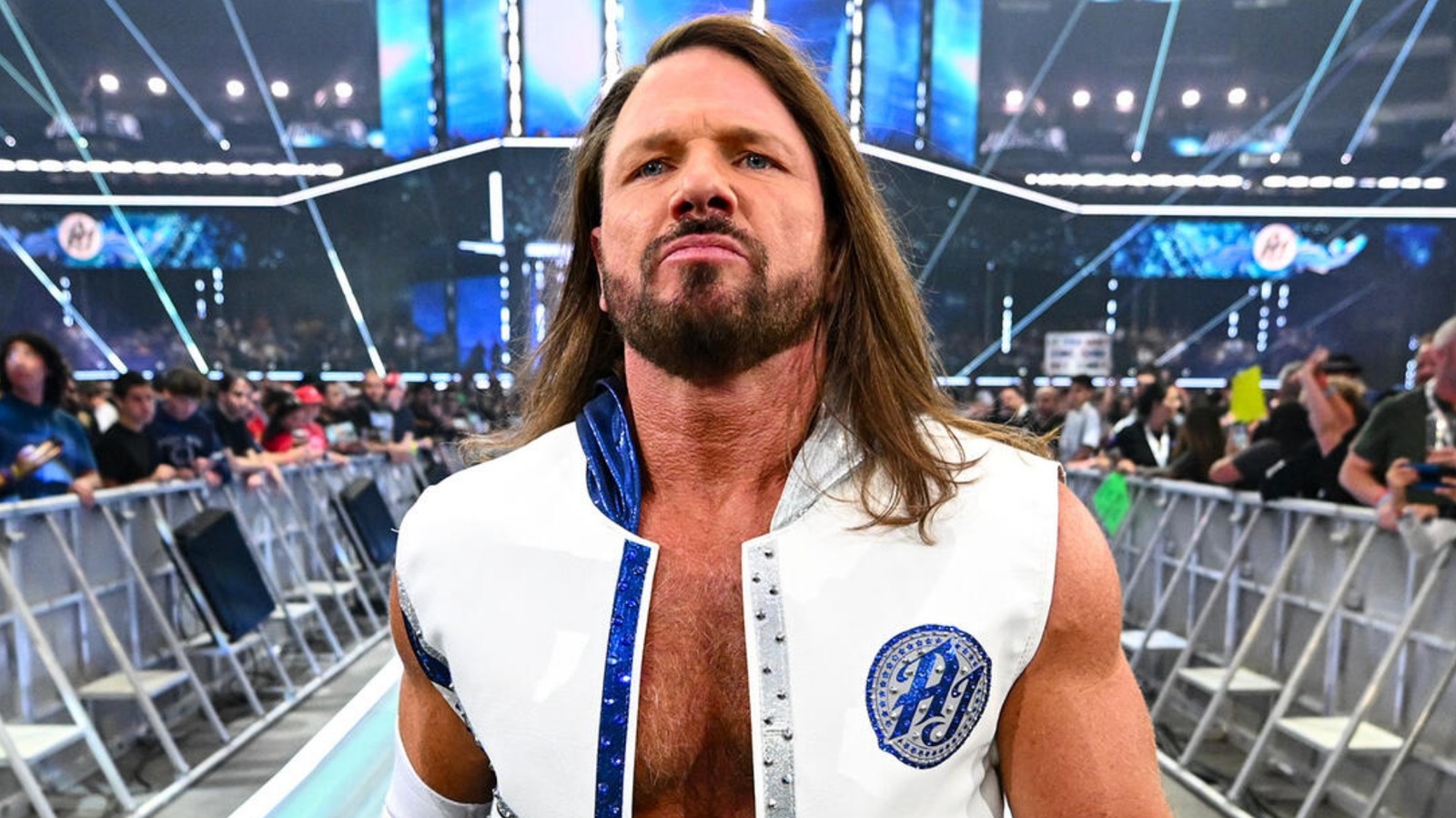
Let's look at the financial reality. Cena has historically been a merchandise anomaly. From his rise in 2005 through his feud with AJ Styles a decade later, nobody moved more fabric. Even as a part-time attraction, a simple return would guarantee a massive spike in t-shirt sales. But commemorative merchandise for a villain? It simply does not move.
Families do not spend heavy money on a shirt that celebrates their hero becoming a jerk. WWE Backlash came and went on May 9, and the ghost of Cena's terrible farewell hung over the entire merch stand. Nobody was wearing the new heel gear.
This brings us to the finish itself. The tap-out.
There is a massive psychological difference between getting your shoulders pinned and submitting. A pinfall can be the result of sheer exhaustion. It can be a sudden, devastating counter. A pinfall means your body gave out before your fighting spirit did. A submission means you quit.
For two decades, John Cena's entire brand was built on three words.
Never Give Up.
He plastered it on towels. He shouted it into the camera lens. It was the absolute core tenet of his character, the foundation of his extensive work with the Make-A-Wish Foundation. To end his career by physically slapping the mat is certainly a "creative risk." It is also deeply cynical.
Consider what Cena represented for the bulk of his career. During the transition into the PG Era, he was the only thing holding the television ratings together. When the product softened and older fans threatened to tune out entirely, Cena carried Monday Night Raw on his back. He did the grueling media circuits. He woke up at 4:00 AM to do morning radio shows in every local market. He built an immense reservoir of goodwill that allowed WWE to transition into a massive global entertainment brand. Throwing all of that equity away for a cheap surprise finish at WrestleMania 41 isn't just bad booking. It borders on corporate malpractice.
Breaking down the historical context
When Bret Hart put Steve Austin in the Sharpshooter at WrestleMania 13, Austin passed out in a pool of his own blood rather than tap. That moment made Austin a megastar. When Kurt Angle tapped out to Shawn Michaels at WrestleMania 21, it was after a grueling clinic that elevated both men.
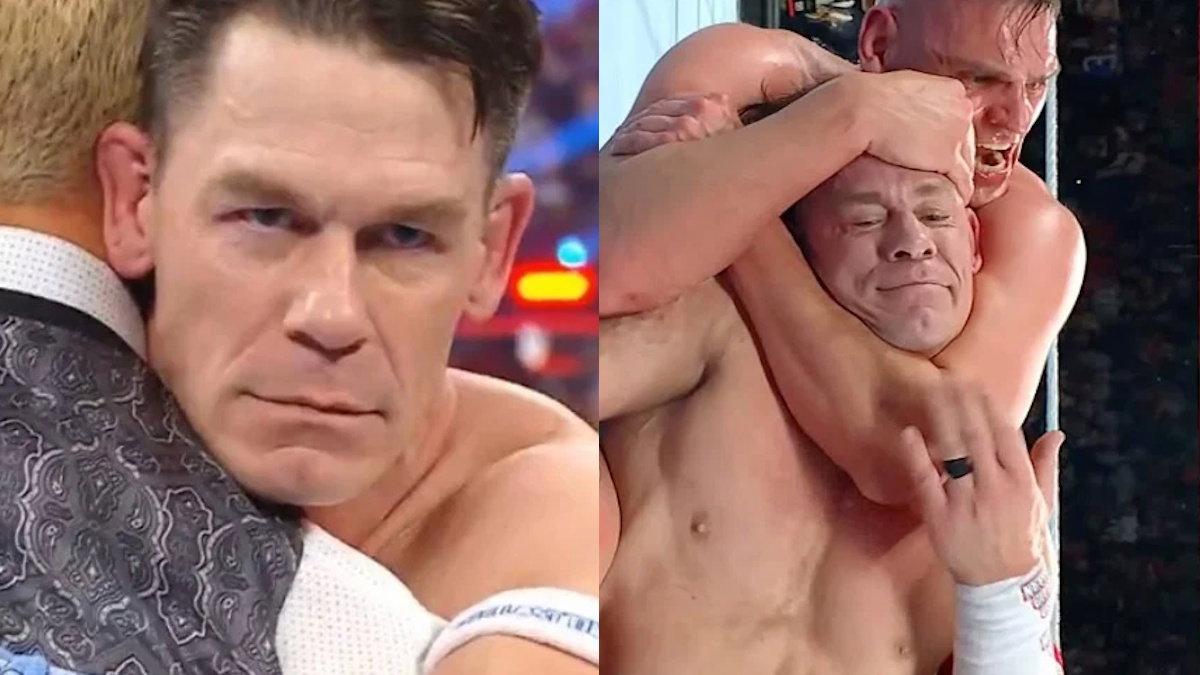
Cena tapping out at WrestleMania 41 didn't elevate anyone. It just deflated the 65,000 fans inside Allegiant Stadium. It unraveled the very foundation of his connection with the crowd.
WWE management went along with this. That is the truly baffling part of the equation. We are talking about TKO, a publicly traded company that ruthlessly protects its intellectual properties. They allowed their biggest modern hero to end his career as a bitter veteran who literally surrendered in the center of the ring.
Prediction: The "Final Match" won't last
This wasn't fun heat. The crowd reactions during the final weeks of the tour weren't the loud, chaotic boos of the Attitude Era. They were groans. It felt like watching a beloved uncle decide to ruin a family dinner on purpose. Cena dragged out promos, insulted nostalgia, and refused to play the hits.
So where does that leave his legacy?
Here is my prediction, and I'm not leaving any room for doubt. John Cena will wrestle one more match.
I know he said it was over. I know the retirement tour was billed as the definitive, undeniable end of his in-ring career. But the wrestling business has a notoriously short memory when major money is left on the table.
The fan reaction to this heel turn has been overwhelmingly negative, and the numbers reflect it. The WrestleTalk interview is just the beginning of the corporate spin cycle. Cena and WWE are already trying to control the narrative, framing the intense backlash as a sign that the heel turn "worked."
The 24-month redemption plan
That is a dangerous game to play with a legacy asset. If the goal was simply to make fans angry, congratulations are in order. But anger doesn't sell legacy Blu-rays. Anger doesn't drive Peacock subscriptions for a glowing retrospective documentary. Anger certainly doesn't sell out a Hall of Fame induction ceremony.
WWE needs the classic John Cena. They need the hero. And more importantly, they need the merchandising revenue that comes with a proper, feel-good sendoff.
Within the next 24 months, WWE will realize the financial error of letting Cena go out on such a miserable note. Here is exactly how it will play out:
- The tap-out will be quietly swept under the rug by the commentary team.
- WWE will start pushing a new narrative: Cena's mind was clouded by the pressure of retirement.
- A younger heel will publicly mock Cena for quitting, forcing his hand.
And then, the horns will hit.
He won't come back for a full-time run. He won't even do another multi-city tour. But I am predicting, with absolute certainty, that John Cena will return for a carefully orchestrated, purely nostalgic babyface match designed specifically to erase the bitter memory of WrestleMania 41.
He will put the jorts back on. He will throw the wristbands into the crowd. He will hit the Attitude Adjustment. And he will get his hand raised.
Because in professional wrestling, the creative challenge always takes a backseat to the cash register. The heel turn was an interesting experiment, but it failed the ultimate test. It didn't give the audience a reason to smile as the curtain fell. WWE is in the business of selling smiles, and they will rewrite their own history to make sure Cena's story ends with one.
Read Next
- Why WWE bringing back house shows could be a massive mistake
- Why WWE's next returning star is already statistically doomed
- WWE's midcard is in absolute shambles right now
- Top 10: The Most Defining Wrestling Moments of 2026 So Far
- 🏆 WrestleMania 41 — Full Coverage Hub
- 👴 John Cena Retirement Tour 2026