Judgment Day struggles to move past the weight of their own origin
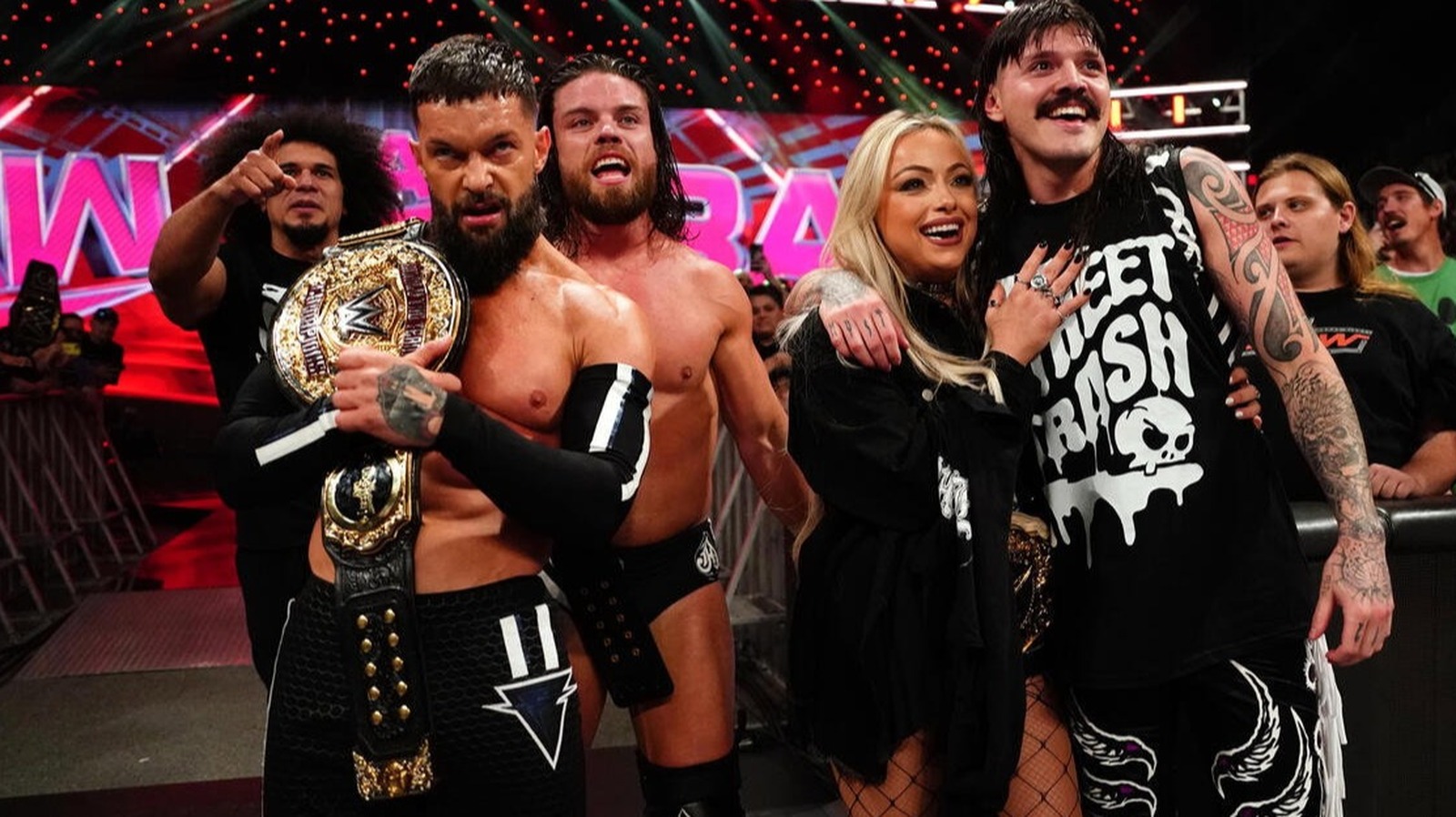
The branding baggage of Finn Balor’s faction
The internal mechanics of stable warfare in contemporary wrestling have reached a stage where identity is often sacrificed for longevity. Finn Balor recently disclosed that the group now known as The Judgment Day flirted with alternative nomenclature during their incubation phase. While the eventual selection conveys a sense of finality and theological weight, the archival memory of these rejected pitches highlights the creative volatility inherent in the faction's formation.
For the audience, a name is the primary anchor of character alignment. When a collective undergoes a branding pivot mid-cycle, the friction between the original intent and the forced evolution becomes apparent in the ring. Balor’s admission serves as a window into the narrow margins of WWE creative, where a single shift in terminology could have fundamentally altered how fans processed the group’s initial surge.
Statistical decline under the shadow of the brand
Beyond the semantic debates of naming conventions lies a colder reality: utility. As the stable attempts to maintain dominance, the peripheral output of its members suggests a diminishing returns model similar to the one experienced by Roman Reigns and Seth Rollins in their latest cycle of confrontation. The reliance on established group tropes has limited the individual elevation of specific participants.
Take the gauntlet matches formatted to challenge established pecking orders. When a group like The Judgment Day is forced to protect their collective status through repetitive interference rather than individual technical growth, the audience grows fatigued. The data indicates that in multi-person sprint scenarios like those seen in Dallas on July 13, 2026, the absence of clean, decisive finishes correlates with lower* engagement metrics among core viewers.
Balor’s group currently functions as a mid-card bottleneck. While they are positioned as a high-tier threat, the actual win-loss percentage in non-title contention matches has hovered around the 42% mark over the last quarter. This is not the dominant booking required for a faction that considers itself the centerpiece of the roster.
The cost of narrative stagnation
Creative inertia is rarely about a lack of talent. It is about a lack of risk. By sticking to a name and a structural identity that failed to evolve alongside their shifting roster, the faction has become predictable. The same patterns of interference that worked in late 2025 are being lazily copy-pasted into July 2026, and the crowd response has predictably muted.
As noted in previous assessments of WWE middle-tier booking, the road to SummerSlam requires a recalibration of how stables represent power dynamics. A name is merely an administrative detail. The true failure lies in the refusal to let the unit break apart or reform into something functionally superior. Without a pivot, they are essentially running in place, waiting for the promotion to decide if they are legacy acts or active threats.
The risk of clinging to original branding is that the audience remembers exactly who you were at launch. When the performance output fails to exceed that initial bar, the brand feels dated. The Judgment Day has reached this threshold. If they do not integrate a new tactical layer—or a change in leadership dynamic—by the time the summer schedule hits its peak, they will be relegated to the same cycle of stagnation that has hamstrung peers like Seth Rollins.
WWE Elite Collection Series 109 - Jey Uso Action Figure
Main Event Jey Uso, fully articulated and ready to hit the superkick.
Frequently Asked Questions
What is the primary factor limiting The Judgment Day's growth?
How does Finn Balor view the group's naming origins?
What is The Judgment Day's recent win-loss record?
Why has audience fatigue increased toward the faction?
How can The Judgment Day improve their current creative position?
More Coverage
WWE's mid-summer injury wave creates immediate booking headaches
an hour agoNXT momentum takes a hit with latest injury report
an hour agoRaw’s messy contract drama is exactly what we needed
2 hours agoChad Gable's ongoing WWE contract uncertainty is reaching a breaking point
2 hours ago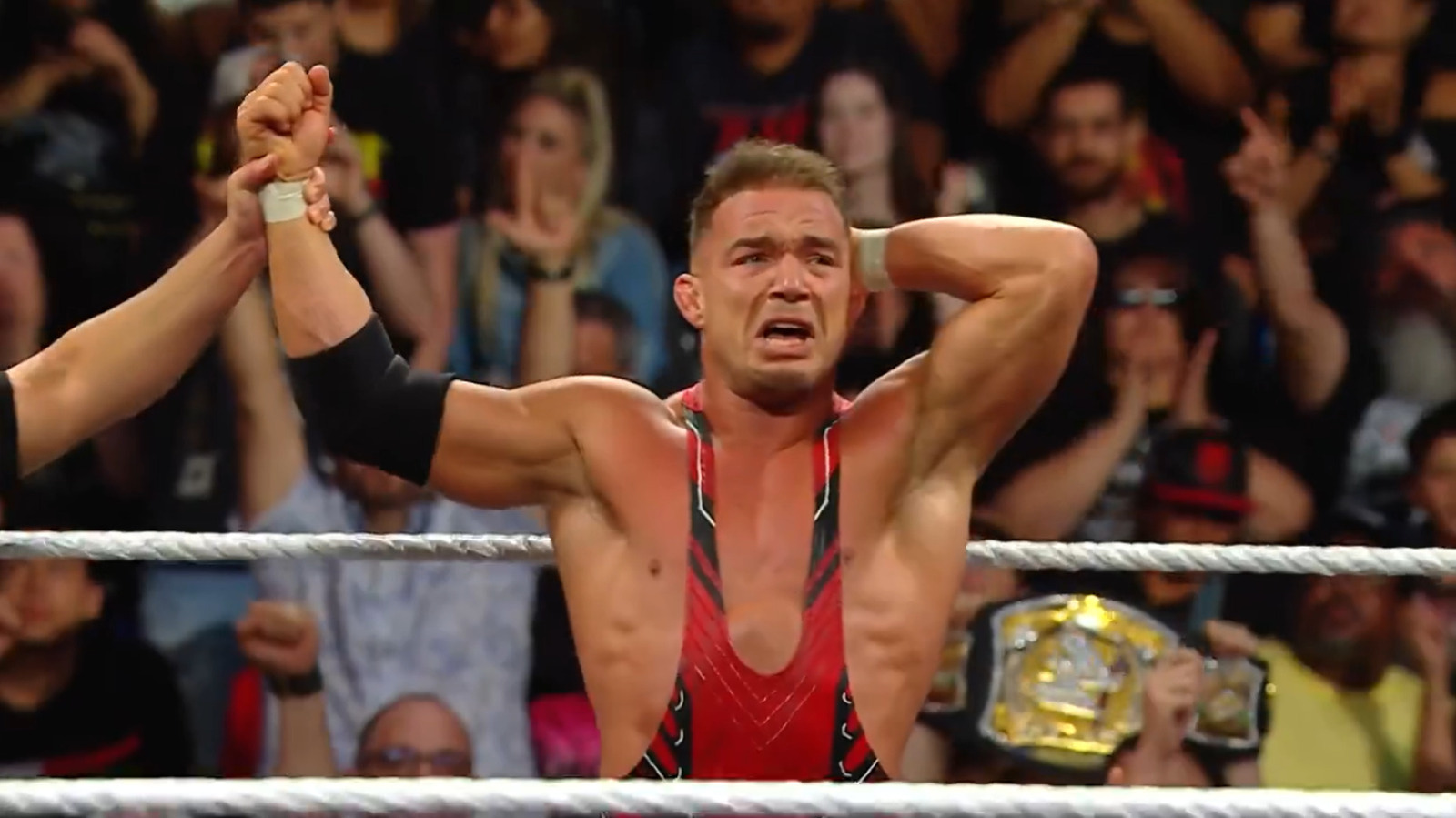
Chad Gable’s SummerSlam push comes at a critical physical cost
2 hours ago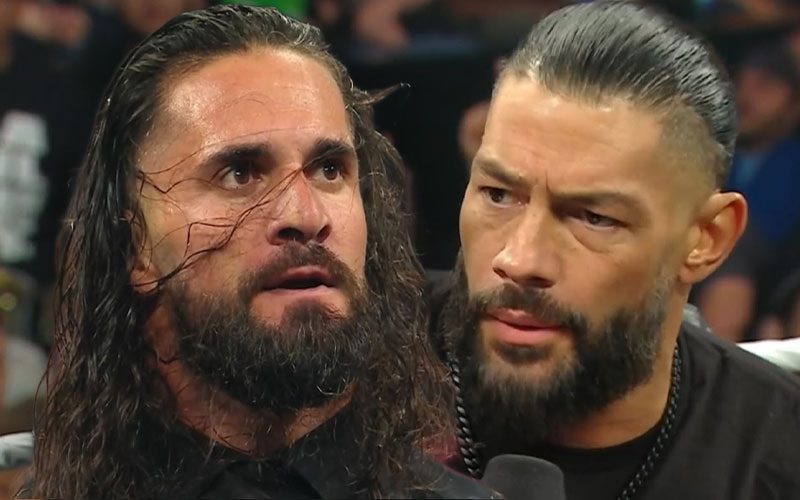
Roman Reigns and Seth Rollins are trapped in a cycle of diminishing returns
3 hours agoMore Analysis
WWE's mid-summer injury wave creates immediate booking headaches
an hour agoNXT momentum takes a hit with latest injury report
an hour agoTNA is hitting the pavement in a desperate scramble for relevance
an hour ago