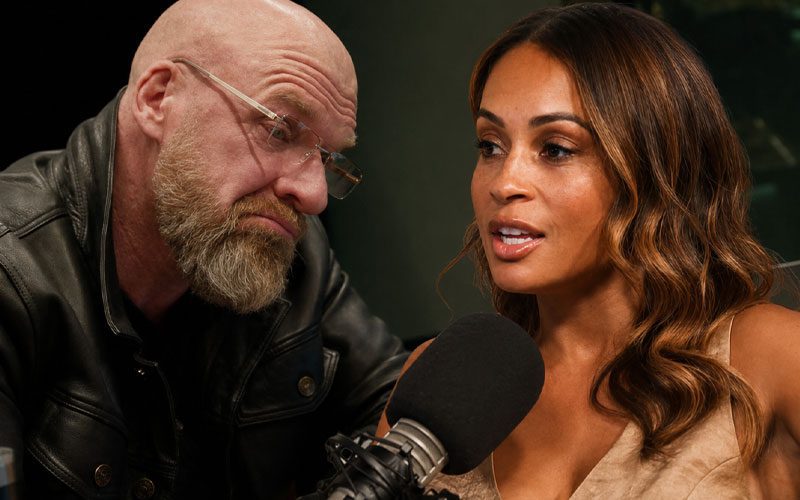
The transition from the Gorilla Position
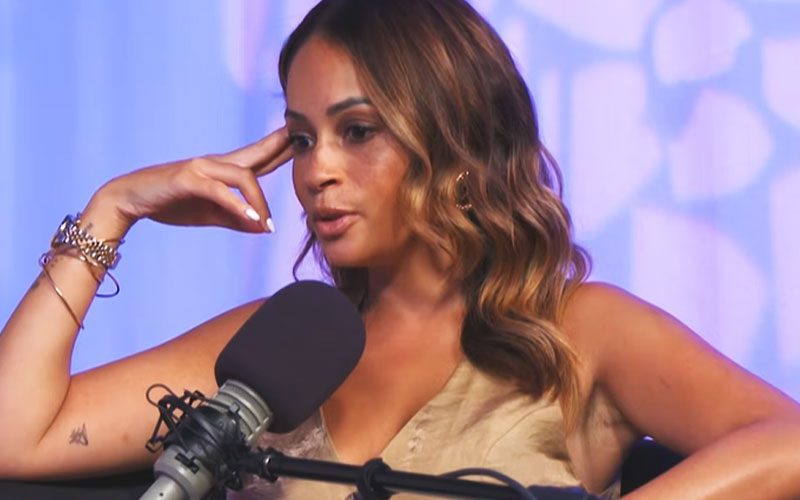
The departure of Kayla Braxton from the WWE broadcast desk leaves an unexpected void in the television presentation. Braxton, who logged years of steady work as a backstage interviewer and host, maintained a specific role that stabilized chaotic segments. Her ability to pivot from segment to segment while keeping the narrative train on the tracks was a subtle but essential part of the modern production.
Reports out of Ringside News indicate that the relationship between the front office and Braxton remains positive. Triple H has reportedly left the door open for a potential return. In the world of professional wrestling, where roster turnover is the status quo, such an invitation is rare. It suggests management recognizes that her specific brand of polish is harder to replicate than it looks.
The cost of moving on
WWE is currently caught in a cycle of shifting personnel, which often leads to disjointed backstage segments. Braxton served as the straight person against increasingly eccentric character work from talent like Sami Zayn or Paul Heyman. Without that neutral anchor, the show risks veering into self-indulgent comedy or losing the narrative thread that grounds the wrestling product.
Critics might argue that interviewers are replaceable, but the history of the business shows otherwise. When you lose someone who can handle a live-mic technical issue as well as a script change in the final 10 minutes of a broadcast, you lose a safety net. The current bench of interview talent faces a steep climb to match the rhythm she established during live transmissions.
Predicting the inevitable return
I predict that Braxton will be back in a guest capacity or a special correspondent role within the next 18 months. The current production style relies too heavily on constant movement and high-energy interactions. There will come a night where a crucial segment goes sideways, and the absence of a veteran hand will be undeniable. Management will realize that the value of a steady, experienced voice is non-negotiable for a live, multi-hour broadcast.
For now, WWE is testing its depth chart. Some might see this as a chance for fresh faces to elevate their status. I see it as a period of adjustment where the lack of institutional memory could lead to poor pacing during critical Monday night windows. Talent will have to step up fast because currently, the seams of the broadcast are showing far more than they should.