The physical reality of the current schedule
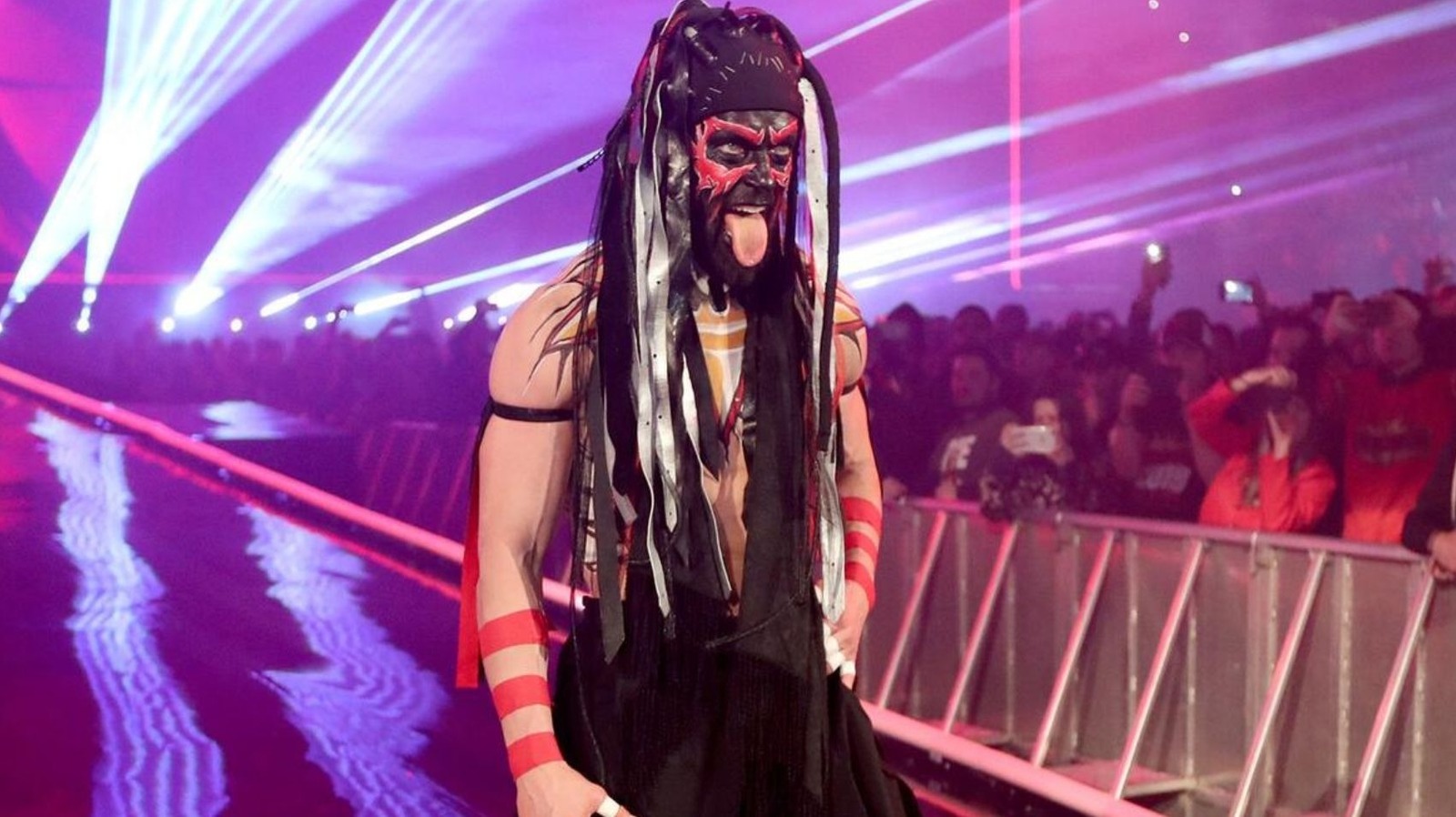
Professional wrestling remains a high-attrition business where the schedule acts as a silent opponent. Recent reports indicate that a major roster member is currently dealing with a significant knee injury, forcing a sudden pivot in creative direction for upcoming television tapings.
This injury, while not disclosed as career-threatening, confirms that the pace of the current tour remains difficult to sustain. Medical staff have advised a rest and rehabilitation period, which will likely take the performer off the road for the immediate future. The logistics of travel, which once featured luxury private transport options for top-tier talent, now reflect a more grueling pace for the entire locker room.
Historical patterns and management risk
We have seen this script play out before. When performers reach the limit of their endurance, the knees and lower back are the first anatomical structures to betray them. Athletes who perform high-impact maneuvers on a rigid, non-yielding surface five nights a week are statistically likely to face these setbacks every 18 to 24 months.
The lack of a true off-season forces the medical departments to function as damage control units rather than performance enhancers. While companies emphasize longevity, the booking often ignores basic physiology. If a wrestler is on a 250-day cycle without a significant break, structural failure in the joints is not a matter of probability, but a matter of timing.
The strategic cost of the injury
This absence creates a void in the mid-card and main-event slots. When a marquee attraction moves to the injured list, the ripple effects are immediate. Plans for upcoming events, such as the regional shows slated through late summer, are currently being rewritten to account for the loss.
Management often tries to mask these absences by rotating rising talent, but the product suffers a loss of star power that cannot be simply replaced by booking a different match-up. Fans notice when the depth chart is forced to pull from inexperienced prospects. The reliance on heavy hitters to carry the weekly load represents a failure in long-term scheduling.
Medical impact and recovery outlook
Standard recovery for this specific type of ligament strain generally spans four to six weeks. The rehabilitation process involves intensive physical therapy to restore range of motion and weight-bearing stability. Rushing the return is a recurring mistake that leads to chronic issues later in a performer's career.
Current consensus among trainers suggests that total rest is the only reliable path to a full recovery. Any attempt to return to the ring for 'light' performances often results in a re-aggravation of the tissue. Until the medical team clears the athlete for impact, the focus will remain on non-wrestling segments and specialized physical work.
Critical observation on athlete maintenance
The system needs a reboot. Relying on sheer grit to drive performance is an outdated methodology. We see the same pattern every year: top-tier athletes get pushed past their breaking point, the injury report grows, and the company scrambles to find a filler. It is a shortsighted cycle that prioritizes next week's gate over the multi-year health of the roster.
If the promotion continues on this trajectory without addressing the mechanical stress on the joints, they will lose more talent. The reality is that the audience demands high-stakes action, but they aren't getting the best version of these competitors when they are taped up and moving at 70 percent capacity. It is time for a shift in how these athletes are managed behind the scenes.