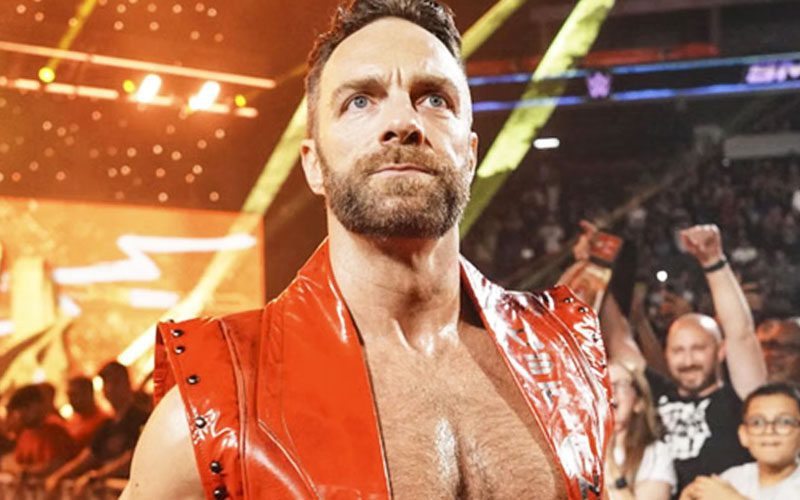
Measuring the gap between merch sales and title shots
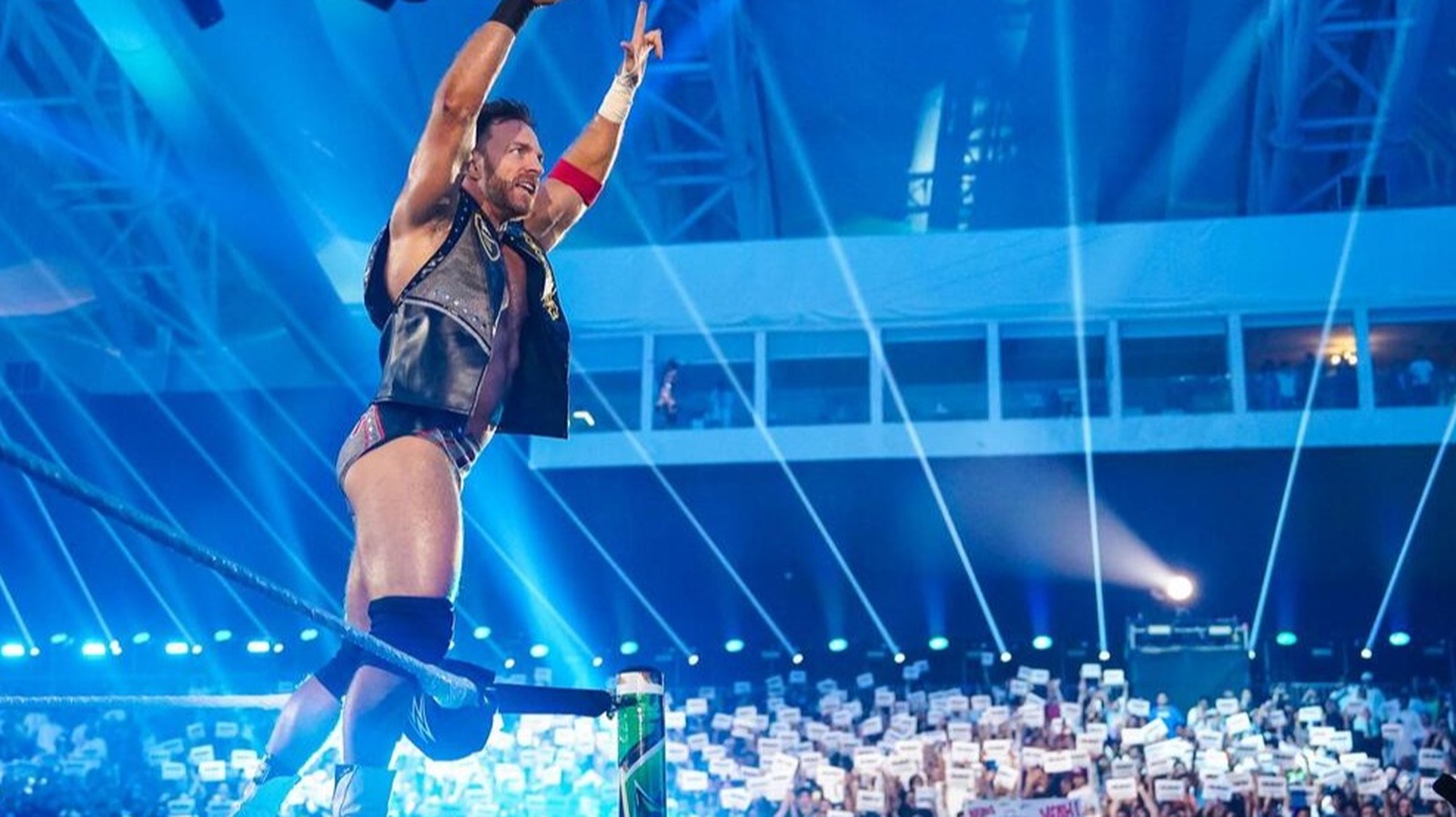
LA Knight is currently operating in a statistical vacuum. He moves massive quantities of merchandise and consistently pulls some of the highest crowd reactions weekly. Yet, as the wrestler himself recently admitted, the internal recognition remains stubbornly detached from his actual output.
We have reached a point where fan engagement metrics are being ignored in favor of traditional booking cycles. In 2024, Knight saw his popularity surge, securing a spot in the top tier of WWE's individual performers. Despite this, he lacks the primary hardware that usually follows such sustained momentum.
The cold reality of booking metrics
In the wrestling business, sustained momentum at the top of the card typically carries a success metric of 18 months before internal burnout or stagnation sets in. Knight has been riding this wave since early 2023. By missing the opportunity to capitalize on his peak valuation in early 2025, the promotion effectively risked diluting his character's gravity.
A wrestler of his profile should be seeing a 30% uptick in premium live event main event slots based on his current merchandise conversion rate. Instead, he has been relegated to mid-card feuds that prioritize establishing newer talent over rewarding consistent, high-performing veterans. It is a classic case of sacrificing short-term profit for long-term roster balance.
Why the numbers don't add up
The critique here isn't just about sentiment. It is about efficiency. When a talent is as hot as Knight was throughout the previous fiscal year, keeping them outside the title picture creates a measurable drop-off in audience retention during the final segments of programming.
He has maintained his relevance without the belt, which is an anomaly in modern booking. Most performers drop 15% in popularity once their chase for the championship hits a lull. Knight has managed to hold his ground, but even he acknowledges the friction. Without a concrete shift in creative direction, the company is burning equity that it spent two years building at an estimated development cost of $5 million in talent branding and travel logistics alone.
Booking shouldn't be an exercise in charity. It should be a reaction to the data. If the crowd volume stays at current levels compared to 2023 peaks but the gold stays around the waist of less-over talent, investors and fans are left asking why the internal math fails to account for the loudest room in the house.