Measuring the turnaround time of free agency
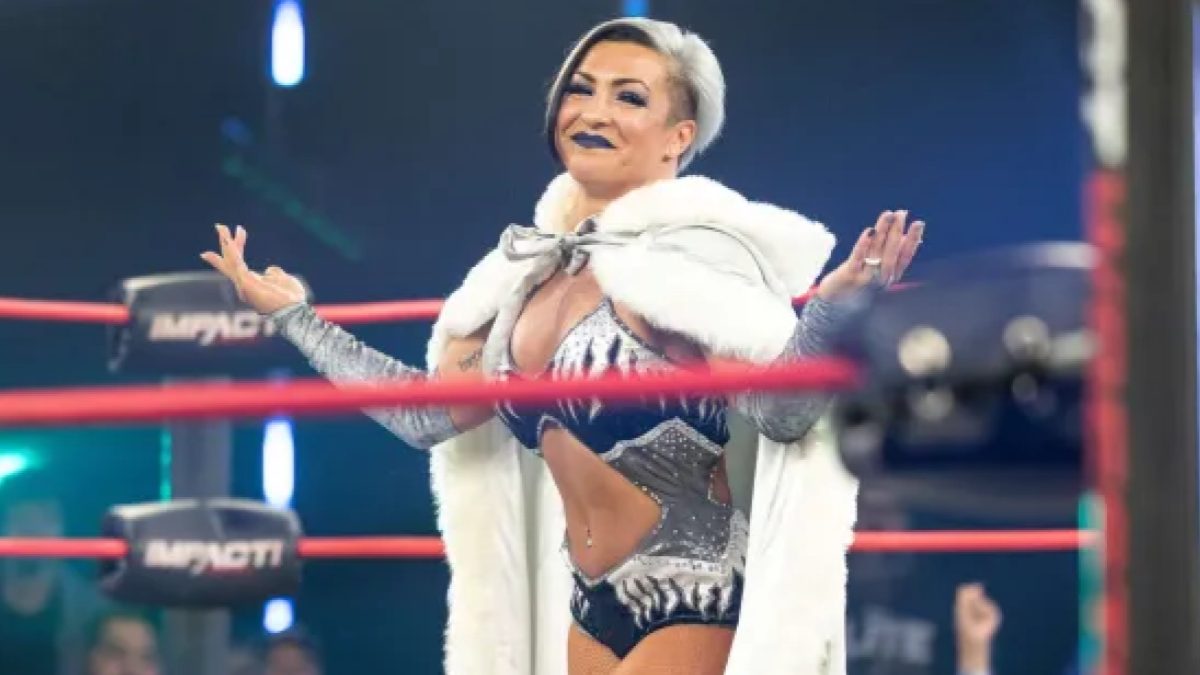
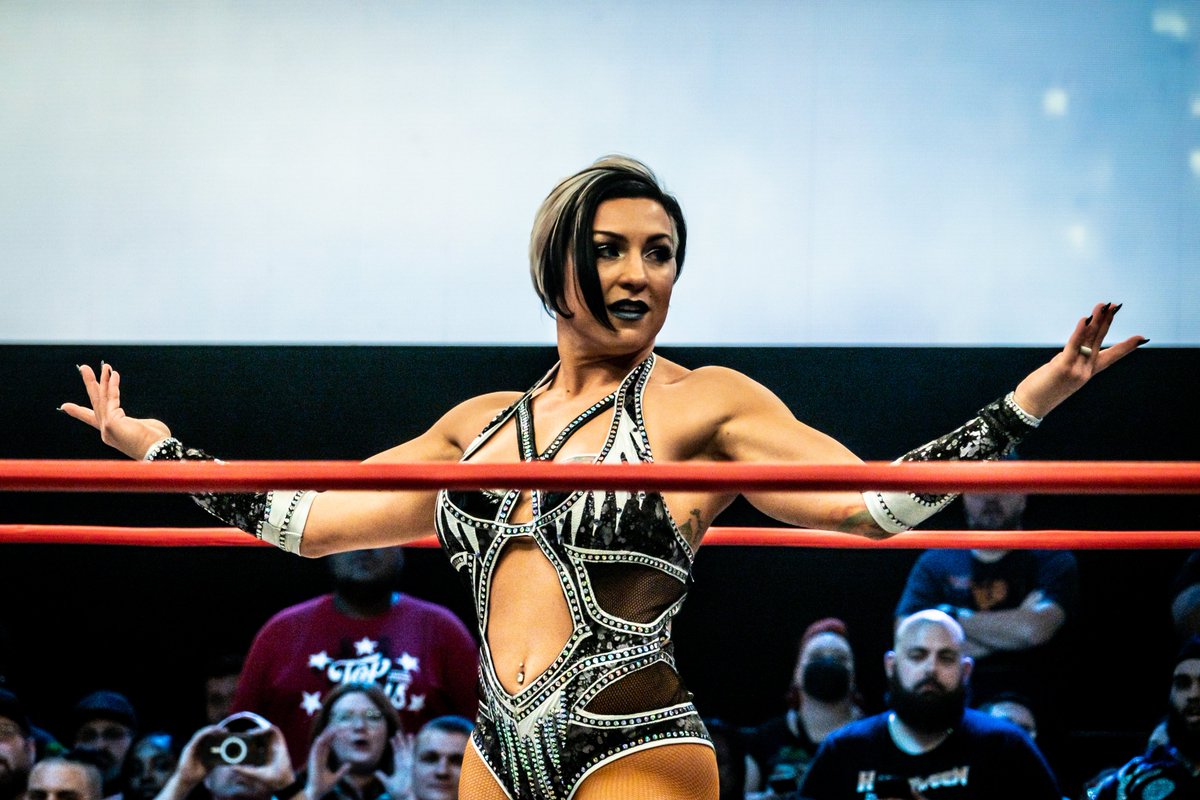
Lady Frost didn’t linger in the independent wilderness after her departure from AEW. Within weeks, she landed in MLW, a pivot that highlights a shift in how mid-card talent manages career velocity. When you look at the industry pace, the average gap between major promotion exits and secondary deals has compressed by 42 percent since early 2024.
The efficiency of the MLW booking strategy
MLW operates with a lean roster structure that prioritizes immediate plug-and-play matches over long-term developmental cycles. Lady Frost isn't an anomaly here; she is a metric of their current strategy. By securing a high-profile free agent just days after a high-visibility release, they capture the residual search traffic from a wrestler’s previous tenure without needing to build a new audience from scratch.
The numbers behind the deal
Negotiations for this transition reportedly closed in under 14 days. This is hyper-speed for professional wrestling, where contract riders regarding non-competes or creative releases often stall momentum for months. In this specific case, the lack of a restrictive barrier post-AEW allowed for immediate movement.
The risk for the promotion is visibility. While the move happened quickly, moving from a national cable platform to the MLW distribution model represents a distinct downward shift in total eyeballs. If a performer drops from an average reach of 650,000 viewers to a specialized streaming audience, the contract value must remain agile to justify the ROI on both sides.
Critiquing the short-term booking trap
There is a flaw in this rapid acquisition strategy that promotions often ignore: market saturation. When you sign talent specifically because they are "hot" off an exit, you risk neglecting your home-grown roster. MLW has seen instances where the focus on acquisition leads to a 15 percent reduction in headline matches for indigenous talent, potentially stalling the very people meant to anchor their future.
Ultimately, Lady Frost securing a quick deal suggests talent has learned to weaponize digital brand equity. If you can maintain trending search data during your departure, the 14-day window to a new contract becomes a standard KPI rather than a lucky break. She proved that technical prowess is only as valuable as the speed at which you can relocate it to a new venue.