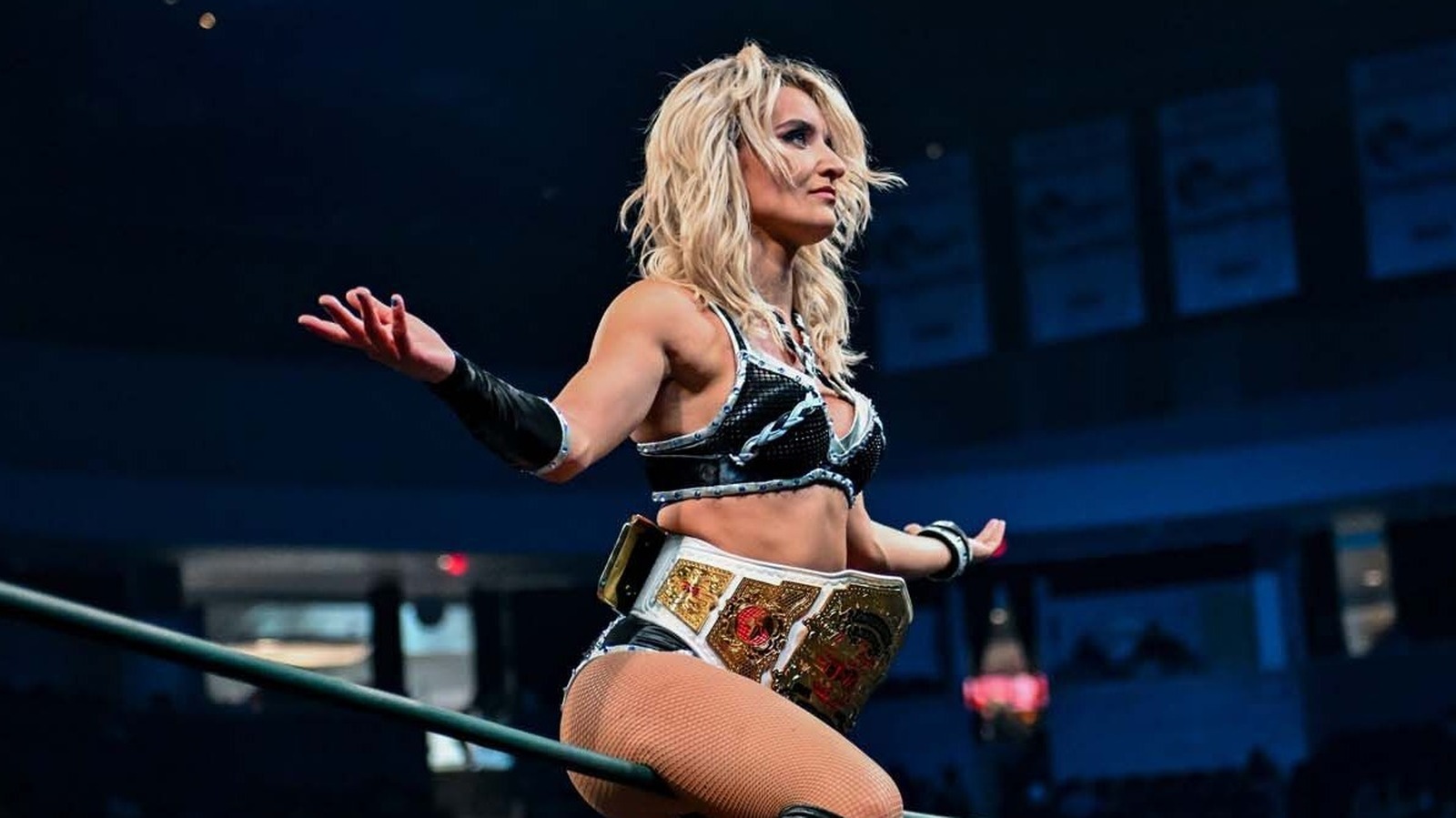
The status of the Knockouts World Championship
TNA officials have shifted gears after reports surfaced regarding Léi Yǐng Lee sustaining a leg injury during a recent non-televised event. This disruption comes at a sensitive time for the promotion as the company prepares for its marquee summer event.
Slammiversary, scheduled for June 28, was originally built around Lee defending her title. Xia Brookside had already been confirmed as the challenger, but medical updates suggest that the current champion may not be cleared for in-ring competition by the end of the month.
Timeline for recovery and internal strategy
Sources familiar with the situation indicate the issue involves a soft tissue tear in the lower extremity. Recovery protocols for professional wrestlers with this specific injury typically demand a minimum of 4 to 6 weeks of rehabilitation before returning to high-impact maneuvers.
With the event just 23 days away, management faces a choice between stripping the title or delaying the defense. The company has yet to release an official statement regarding the status of the match, though backup scenarios are currently being discussed behind the scenes.
The broader impact on TNA programming
The absence of Lee leaves a void in the women's division that is difficult to fill on short notice. She has anchored the division since winning the gold, providing a level of physical consistency that allowed for longer, more technically driven segments on television.
If Lee is forced to vacate, the division loses the narrative momentum established over the spring season. A tournament or a high-stakes multi-woman match at Slammiversary would become the only logical alternatives, though both carry the risk of feeling like a secondary solution to the originally planned singles bout.
Historical context and risks
In the past, TNA has struggled when the central title holder suffers a long-term injury mid-cycle. The rotation of the belt often undergoes a rapid, forced shift that lacks the organic buildup required to satisfy the fanbase. The reliance on tournament brackets has been a crutch in these situations since at least 2014.
Furthermore, the current booking choice to lock in the Brookside challenger spot this early is standard procedure, but it highlights the rigidity of long-term planning. When an injury occurs, having the match set so far in advance limits the creative team's ability to pivot without appearing disorganized.
A critical look at the medical load
It remains problematic that the company continues to push high-intensity, physical matches on smaller local shows just weeks before a pay-per-view. While industry insiders argue these matches keep performers sharp, the wear and tear is rarely worth the marginal increase in local ticket sales.
Booking the champion in high-risk spots just days after a grueling run of TV tapings is a recurring strategic mistake. The load management for top talent is clearly not prioritized when it conflicts with local show attendance numbers. Lee’s injury is a reflection of this cycle.
As of June 5, the match remains technically on the card for TNA Slammiversary, but fans should prepare for a major vacancy announcement or a substituted title bout. The technical skills of Xia Brookside are not in question, but a championship bout requires the presence of a healthy, dominant incumbent to properly land the final act of a program.
Expected resolution
If the injury required surgery, we would be looking at an absence totaling 6 months. Because this is a recovery-based diagnosis, there is optimism for a return by mid-July, even if the Slammiversary spot is lost. The priority for the TNA performance center staff is ensuring no lingering instability remains in the joint before she takes another bump.
For now, all eyes are on the upcoming Friday night tapings to see if a medical update is provided. If the title is pulled, expect the focus to shift entirely to the upcoming World Cup festivities, as the company will likely look to minimize the negative optics of a sidelined champion heading into the summer hiatus.