Concussion Protocol Sidelines Lexis King After Lakeland Incident
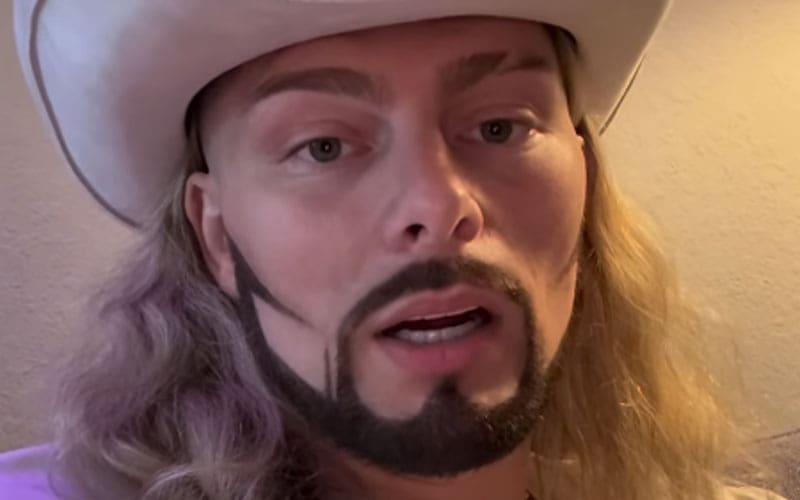
The road to Las Vegas just hit a major speed bump for one of NXT’s most polarizing figures. Lexis King has officially been ruled out of action and is not medically cleared to compete following a significant head injury sustained during a non-televised live event on March 20 in Lakeland, Florida. Sources within the medical team indicate that King is currently being monitored under WWE’s strict concussion protocol after taking a stiff knee to the face during the closing moments of his match.
This is not a storyline injury designed to build heat for a comeback. Medical staff in Florida immediately tended to King after the bell, and he was reportedly showing visible signs of disorientation in the locker room. Concussions are notoriously difficult to timeline, but the standard protocol requires a multi-stage clearance process including exertion tests and neurocognitive evaluations. Given the timing, King’s availability for the upcoming Stand & Deliver premium live event is in serious jeopardy.
King had been building significant momentum as a mid-card spoiler, and his absence leaves a vacuum in the heel locker room. If he fails to clear the final hurdle of the concussion protocol by mid-April, creative will be forced to pivot on a program that was reportedly set to culminate on the WrestleMania 41 kickoff show. The internal mood is one of frustration, as King was finally finding his rhythm in the ring before this physical setback.
The Speed Championship in Limbo After LeFleur Arm Injury
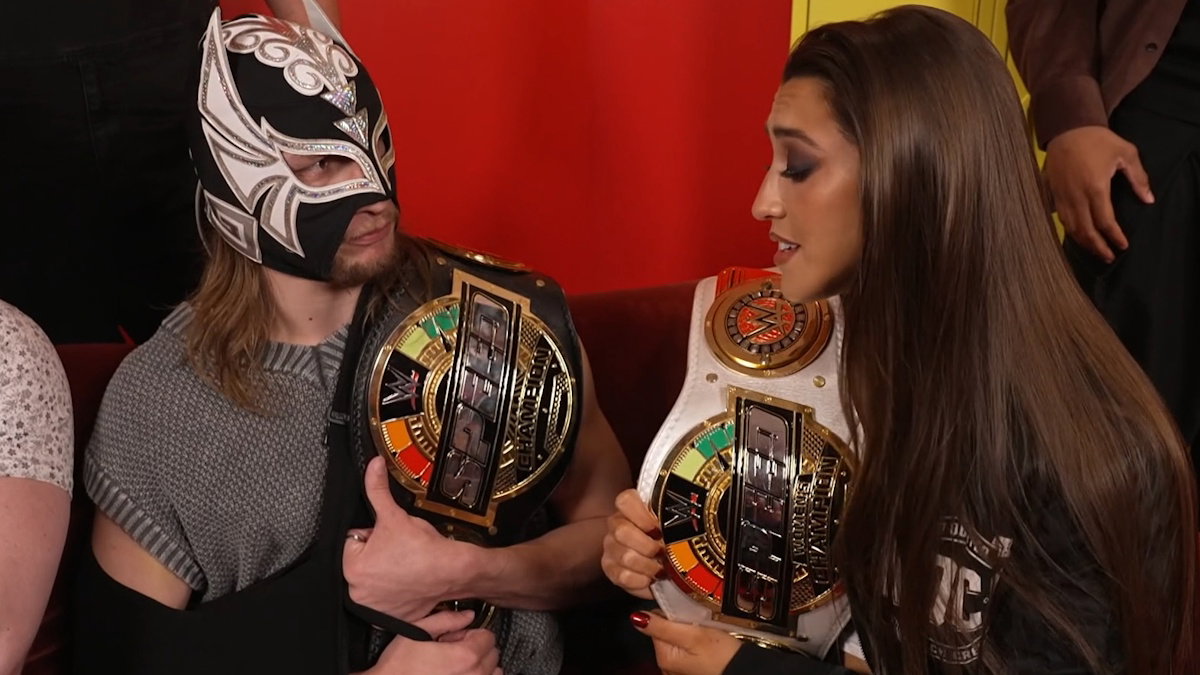
Lexis King isn't the only name on the training room table this week. Elio LeFleur, the current WWE Men’s Speed Champion, is dealing with a legitimate arm injury that has completely derailed the NXT Tag Team Tournament. Like King, LeFleur’s injury occurred during the March 20 house show circuit, though the severity was not immediately apparent until he underwent imaging on Monday morning. The results were concerning enough that management pulled him from the tournament bracket immediately.
LeFleur was written off television during the March 24 broadcast via a backstage ambush, a standard industry tactic used to buy time while a performer recovers. However, the reality is far more clinical. The injury is believed to involve the forearm or elbow area, which is particularly problematic for a high-flyer whose offense relies on handsprings and top-rope transitions. Without the ability to post or take a back bump comfortably, LeFleur is looking at a minimum of four to six weeks on the shelf.
This creates a tactical nightmare for the Speed Championship. The title is built on high-velocity, short-duration matches, and an inactive champion kills the concept's momentum. There is already quiet talk backstage about potentially crowning an interim champion or vacating the title if LeFleur's recovery extends into the summer months. The loss of Eli Knight and Elio LeFleur from the tournament forced the late inclusion of Los Americanos, a move that felt rushed and contributed to the overall disjointed feel of this week's programming.
Tactical Fallout and the 'Terrible' March 24 Broadcast
The ripple effect of these injuries was on full display during the March 24 episode of NXT. While the audience numbers remained largely even at 620,000 viewers with a 0.17 demo rating, the internal reception was far less positive. Multiple sources within the Performance Center described the episode as "terrible," citing a chaotic production environment where matches had to be restructured on the fly to accommodate the depleted roster.
When you lose two key tournament participants and a featured singles act in the span of 72 hours, the creative foundation crumbles. Los Americanos (Rayo and Bravo Americano) were inserted as late replacements for Knight and LeFleur, but the lack of established stakes for the new team made the match feel like filler. Fans are savvy enough to spot when a show is being held together by tape and prayers, and the March 24 broadcast was a prime example of a "holding pattern" show gone wrong.
"It was a mess from start to finish. We were swapping segments ten minutes before doors opened because medical updates were still trickling in. You can't run a tight ship when your engine room is in the infirmary."
The promotion of Ava to full-time General Manager, while a logical progression for her character, also feels like a move made out of necessity to provide a stable face for the brand during this rocky period. Ava now inherits a roster that is suddenly thin at the top, and her first task will be managing the fallout of the Lexis King situation. The contrast between the formal GM reveal and the "terrible" show quality highlights a growing divide between corporate branding and the reality of the in-ring product.
Historical Context: Concussion Management in the Modern Era
WWE’s approach to Lexis King’s injury is a far cry from the "tape it up" culture of the 1990s. Since the implementation of the Comprehensive Wellness Policy, head injuries are treated with a level of caution that often frustrates the talent but protects the company’s long-term interests. We have seen similar situations with performers like Finn Balor and Kevin Owens, where a single "stiff" shot resulted in weeks of cautious observation.
Kevin Owens' ongoing neck concerns, which even prompted a check-in call from "Stone Cold" Steve Austin recently, serve as a reminder of how quickly these physical tolls can accumulate. For a younger talent like Lexis King, the medical team is likely to be even more conservative. A second concussion sustained before the first has fully healed can lead to Second Impact Syndrome, a catastrophic condition that WWE is desperate to avoid. King might feel ready to go, but the neurocognitive benchmarks don't lie.
Historically, when a performer is sidelined this close to WrestleMania, they are rarely rushed back unless they are in a main-event championship match. For a mid-card act like King, the risk-to-reward ratio simply isn't there for the medical staff. Expect a slow, deliberate return that focuses on baseline testing before he is even allowed to take a bump in the training ring at the Performance Center. The short-term loss for the Stand & Deliver card is a long-term gain for his career longevity.
Roster Depth and the Path to Stand & Deliver
With Lexis King out and Elio LeFleur sidelined, the pressure shifts to the remaining healthy roster members to carry the workload. Johnny Gargano’s return to the NXT roster is a massive boost, but even a veteran of his caliber can't fix a broken tournament structure overnight. The sudden elevation of Los Americanos into the tag team hunt is a gamble; if they don't connect with the audience immediately, the tournament's final rounds will lack the emotional weight required for a major PLE.
Tactically, the brand is leaning heavily on the Fatal 4-Way for the NXT Championship. By stacking Joe Hendry, Tony D’Angelo, Ricky Saints, and Ethan Page into one match, they are effectively hiding the fact that several other potential challengers are either injured or tied up in emergency restructuring. It’s a smart move by the booking team to consolidate their biggest stars, but it also exposes the lack of depth in the secondary title scenes. The North American title gauntlet won by Gargano was a highlight, but it was also a necessary distraction from the missing pieces on the board.
There is also a negative undercurrent regarding the communication between the medical staff and the creative department. The fact that the March 24 show was called "terrible" by people *inside* the company suggests a breakdown in the usual workflow. When medical updates arrive too late for meaningful script changes, the result is the kind of disjointed, logic-defying segments that plagued this week’s show. Ava’s tenure as GM is beginning under a cloud of physical attrition that would challenge even the most seasoned executive.
Recovery Timelines and Final Assessment
The immediate outlook for Lexis King is a week-to-week evaluation. Concussion symptoms can clear in 7 days or linger for months; there is no magic pill for brain trauma. If he is not cleared by April 5, he will almost certainly miss the entire WrestleMania weekend schedule. The psychological impact of missing the biggest week of the year cannot be understated, especially for a performer who has spent the last year reinventing his image.
Elio LeFleur’s arm injury is more predictable but equally damaging to the brand's momentum. The "Speed" concept relies on consistency, and having a champion on the shelf for over a month is a disaster for a new title. We should expect an update on his status by the first week of April, with a strong possibility of an interim title tournament being announced if surgery is required. The medical team is reportedly looking at a 3-week window for initial physical therapy before deciding on the next course of action.
Ultimately, the NXT injury crisis is a wake-up call for the brand. The reliance on high-impact house shows in markets like Lakeland is great for fan engagement but carries a high physical cost. As we approach the most important month in the wrestling calendar, the Performance Center training room is becoming the most influential room in the building. Ava and her team have a lot of work to do to ensure that the "terrible" vibes of late March don't follow them into the bright lights of Las Vegas in April.