The rap star versus the basement experts
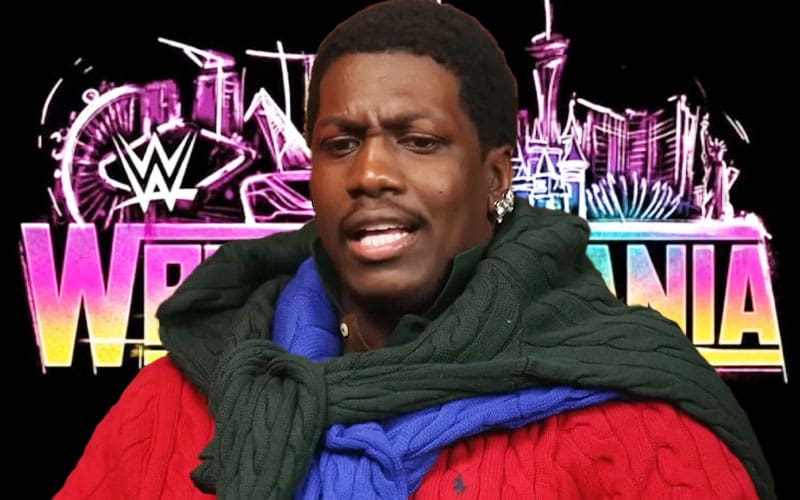
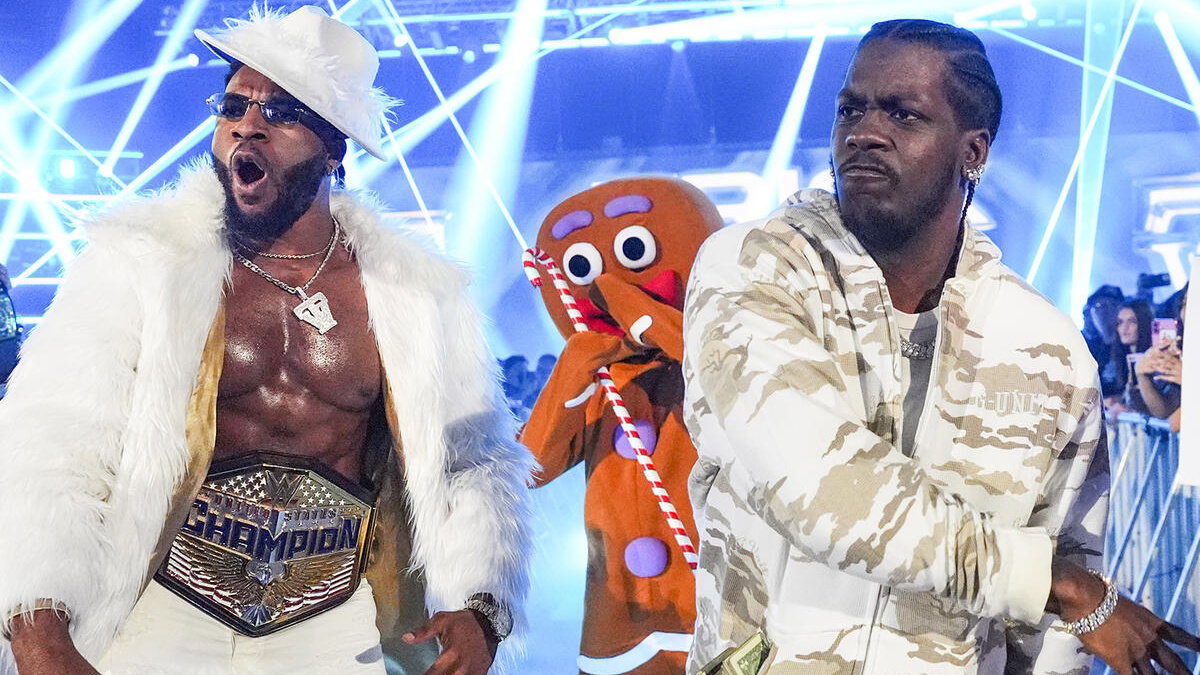
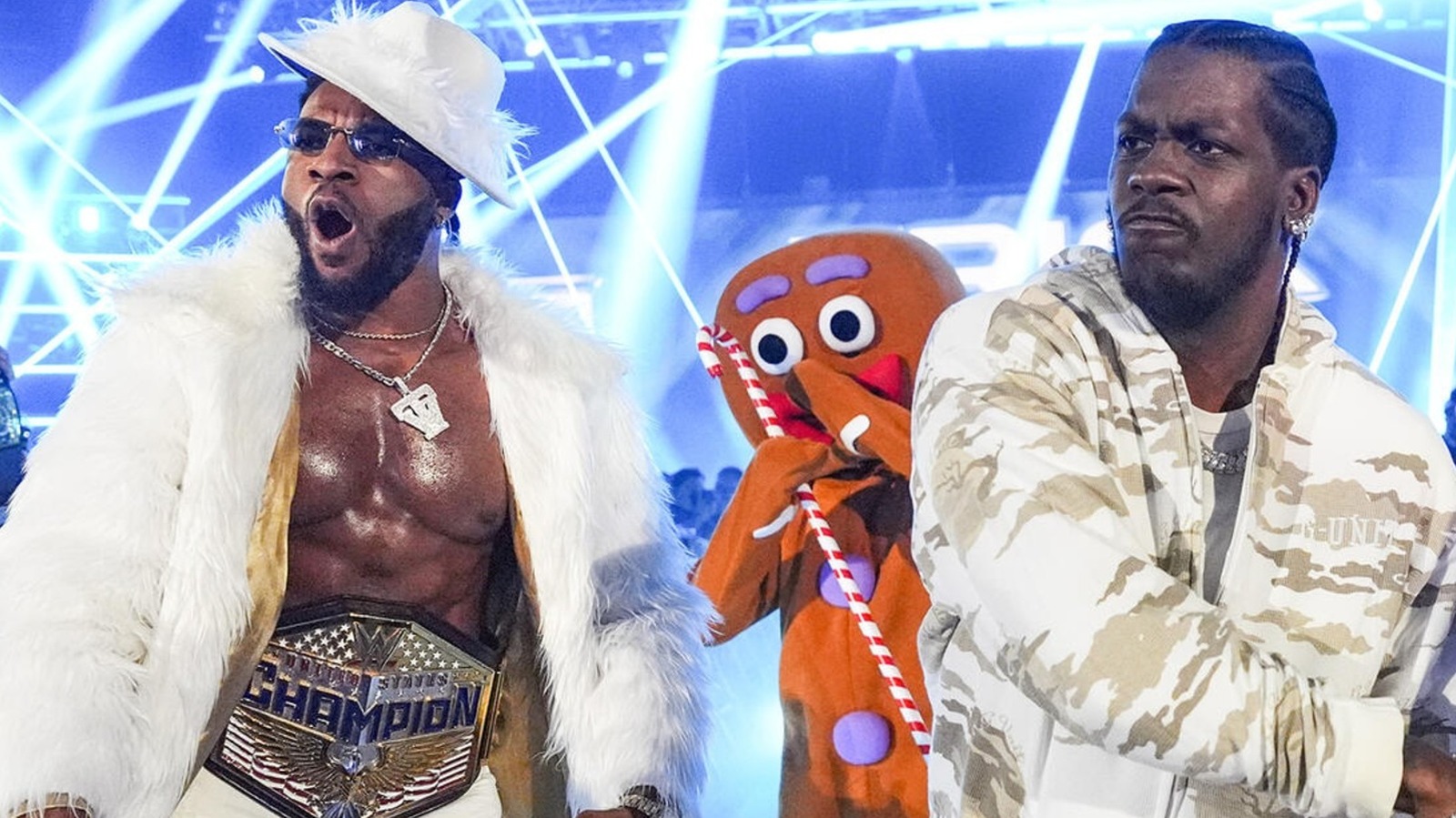
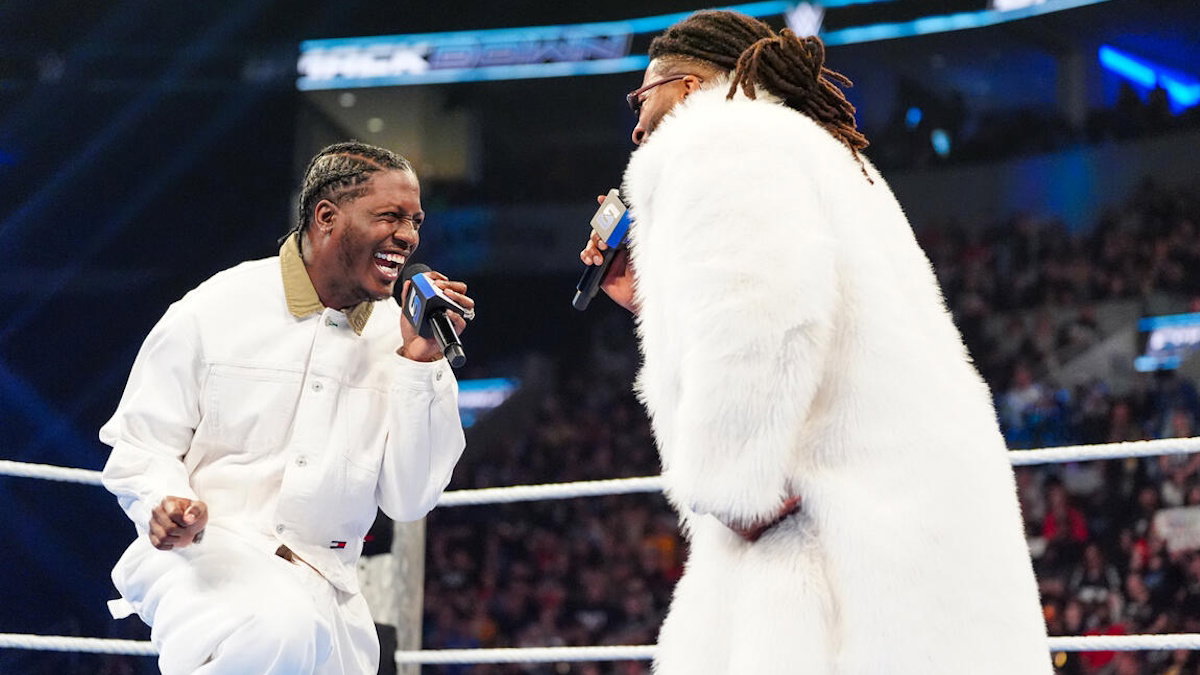
Lil Yachty has finally addressed the chorus of groans echoing from the internet wrestling community. Since appearing on WWE television, the musician has become a lightning rod for those who think celebrity cameos are ruining their precious product.
His response was simple enough to fit inside a burner account tweet: he told his critics not to step on his moment. Whether or not you enjoy the crossover, his sentiment reflects the modern wrestling booking philosophy. WWE wants eyeballs, and Yachty brings millions of them.
The intersection of clout and the squared circle
The constant stream of mainstream guests is a staple of the Triple H era booking strategy. It targets the casual fan who might flip the channel for a name they recognize from a festival stage. The goal is simple growth.
Some fans demand a strict barrier between the ring and the pop culture world. They crave technical dominance and long-term character arcs over a celebrity throwing a clothesline. This creates tension that surfaces every time a microphone is handed to an outsider.
The booking gamble
Putting a non-wrestler in a high-profile spot feels like playing with fire. It risks stalling momentum for full-time workers who spend their lives perfecting their craft in front of tiny crowds. When the payoff is just a quick segment, it can feel like a slap in the face to long-term viewers.
However, the business side is ruthless and unavoidable. The recent influx of celebrity involvement shows that WWE isn't slowing down. They are betting that the viral clips generated by these moments outperform the quiet joy of a technical masterclass.
Missing the point of the spectacle
The anti-celebrity faction often forgets that professional wrestling is, and always has been, a circus. From Muhammad Ali at the original WrestleMania to Bad Bunny hitting a Canadian Destroyer at Backlash, the best moments are often the ones that shouldn't happen.
Yachty is just the latest notch on this timeline. If the crowd stays loud and the hashtags trend, the office considers it a win. Complaining about the lack of fundamental psychology in a three-minute interaction is like showing up to a heavy metal show and complaining about the volume.
The real issue isn't the celebrity; it's whether the writing team knows how to weave them into the fabric of the show. Sometimes they pull it off, and sometimes the segment dies a death of awkward pauses and botched spots.
With WrestleMania 41 looming on April 19 and 20, expect the trend to continue. We are looking at a stage big enough to swallow whole musical acts. If you think the celebrity spots will disappear, you haven't been paying attention to the trajectory of the sport since the TKO transition.
The company is chasing maximum reach ahead of major stadium shows. If an artist wants to show off their fandom, it provides a massive platform for both parties. It is a cynical business arrangement that works precisely because it offends the traditionalists so deeply.
Don’t try & step on my f**king moment.
That quote captures the entire disconnect between the talent and the keyboard warriors. While fans analyze headlocks and pacing, the people on screen are looking for a pop. As long as the checks clear and the audience cheers, the strategy stays in place.
Ultimately, the inclusion of Yachty isn't going to sink the product, even if it feels jarring. There are far more egregious booking crimes occurring on a weekly basis. Take a breath and remember that WrestleMania 41 will have room for both the workhorses and the guest stars alike.