Liv Morgan and Dominik Mysterio are right to hate their generic theme music
The audio identity crisis at Allegiant Stadium
As the first night of WrestleMania 41 kicks off in Las Vegas, the visual spectacle is undeniable. The neon glow of the Strip has migrated into Allegiant Stadium, creating a backdrop that feels every bit like the global entertainment pinnacle WWE claims to be. Yet, for all the pyrotechnics and high-definition screens, there is a lingering mechanical failure in the production that is finally being addressed by the talent itself.
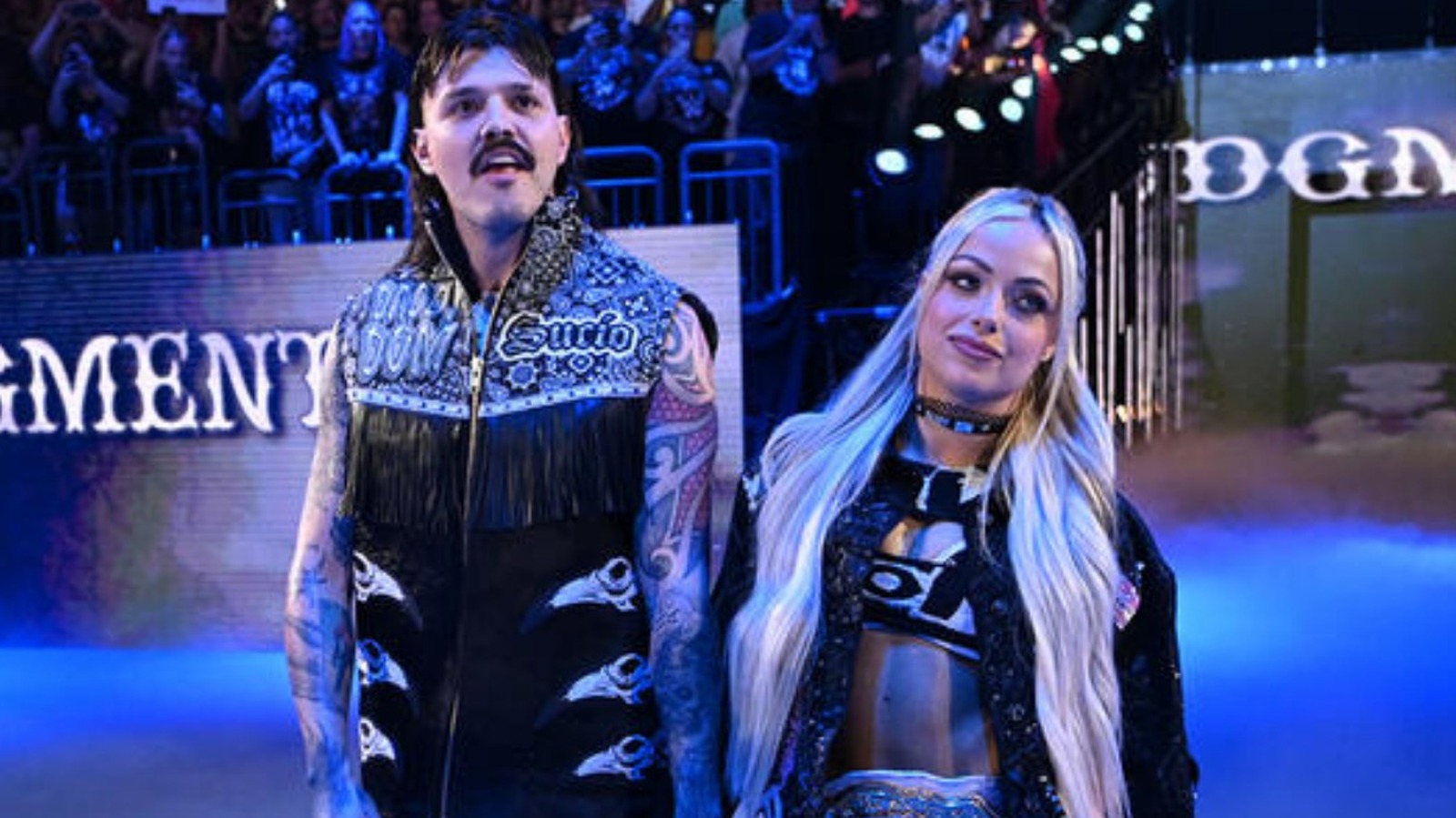
According to a report from Wrestling Inc, both Liv Morgan and Dominik Mysterio have aired their frustrations regarding their current theme music. This isn't just a case of personal taste or backstage grumbling. It is a tactical critique of how WWE builds characters in the modern era.
In the high-stakes environment of a stadium show, the entrance music acts as the primary tactical trigger for the audience. It is the first 'move' of the match, setting the tempo and establishing the psychological frame for the next 20 minutes of action. If the performers don't believe in the sound, the audience eventually stops believing in the entrance.
The failure of the generic stinger
Liv Morgan’s current presentation is a study in character evolution that has outpaced its soundtrack. Since her transition from the chaotic energy of the Riott Squad to a world title contender, her music has struggled to find a consistent hook. The current iteration often feels like a collection of royalty-free trap beats layered with a few recognizable screeches. It lacks the 'stinger' — those first three seconds that demand an immediate reaction from 70,000 fans.
Consider the greats. When the glass shattered for Stone Cold Steve Austin, the match began at 100 miles per hour. When the first note of 'Cult of Personality' hits for CM Punk later tonight, the crowd will instinctively surge. Liv Morgan is performing at a level where she deserves that same structural support. Instead, she is walking out to music that sounds like a placeholder for a mid-card transition segment.
Dominik Mysterio faces an even stranger problem. He is arguably the most effective heel in the industry, generating a level of visceral 'heat' that hasn't been seen since the late 1990s. His music should be a tool that weaponizes that hatred. Currently, it feels like a diluted remix of the Judgment Day theme that lacks the punch required to cut through the boos.
The Def Rebel bottleneck
The common denominator in these frustrations is the current music production pipeline, largely handled by the group Def Rebel. Since the departure of CFO$ and the legendary Jim Johnston, WWE’s audio identity has shifted toward a heavy, synth-reliant style that prioritizes 'vibe' over melody. The result is a library of themes that are technically competent but emotionally hollow.
Tactically, this is a disaster for character branding. If you play five current themes in a row, the percussion patterns and digital distortion are almost indistinguishable. For a wrestler like Dominik, whose entire gimmick is built on being an insufferable brat, the music should be as grating as his personality. It should have a melodic signature that the crowd can identify instantly, even through the wall of noise in a stadium.
The dissent from Morgan and Mysterio is a rare public crack in the corporate facade. It suggests that the talent is aware of what the fans have been saying for two years: the music is failing the performers. In an era where WWE is moving toward a global Netflix-driven audience, having 'generic' music is a liability that can't be ignored.
The acoustics of a Las Vegas stadium
The technical challenge of Allegiant Stadium cannot be overstated. Stadium shows are notorious for 'eating' sound. The cavernous roof and the sheer volume of air mean that music with low-end bass and no distinct high-frequency melody often turns into a muddy mess by the time it reaches the upper tiers.
When Liv Morgan makes her walk tonight, her music needs to pierce through that atmospheric soup. If it’s just a generic beat, it becomes background noise. We saw this at WrestleMania 40, where several entrances felt flat because the audio cues were too subtle for the environment. A sharp, melodic hook acts as an anchor for the crowd’s attention.
Dominik Mysterio’s entrance thrives on the crowd’s ability to drown out his music with boos. However, if the music isn't strong enough to provide a counter-rhythm, the segment loses its dynamic tension. It becomes 5 minutes of white noise rather than a structured piece of sports entertainment choreography. The music must fight back against the audience to create a true 'villain' atmosphere.
Why character themes are tactical assets
We often talk about wrestling in terms of work-rate and promo ability, but the audio component is a massive part of the tactical 'spacing' of a show. A great theme music provides a reset button for the live audience. It signals a shift in the narrative. When themes are interchangeable, the show begins to feel like one long, undifferentiated block of content.
Morgan and Mysterio are likely looking at their peers and seeing the difference. When Cody Rhodes’ music hits, 'Kingdom' acts as a literal anthem that the crowd sings. It creates a participatory environment. Liv Morgan is a championship-level talent who is currently being denied that level of crowd integration because her music doesn't give the fans a rhythm to latch onto.
There is also the issue of the 'pop' versus the 'simmer.' Generic music creates a simmer — a gradual realization that someone is coming out. Iconic music creates a pop — an explosion of energy the second the first note hits. In the 14th minute of a grueling match, that energy is what carries the performer and the audience to the finish line.
The need for a creative pivot
WWE’s creative direction under Triple H has been praised for its long-term storytelling and logical booking, but the music remains the one area stuck in a corporate rut. The criticism from Liv and Dom should be the catalyst for a total overhaul of the audio department. They need composers who understand the specific needs of a wrestling ring, not just producers who can make a track that sounds like it belongs in a gym commercial.
One critical observation: the current 'trap-metal' trend in WWE music is already starting to feel dated. It was a 2022 aesthetic being pushed into 2026. The most successful themes in history — from the Undertaker’s funeral toll to Edge’s 'Metalingus' — were timeless because they weren't chasing a specific radio trend. They were built for the character.
The fact that two of the most pushed stars in the company are publicly unhappy with their music is a massive red flag. It suggests a lack of collaboration between the music team and the creative team. If the performers don't feel like the music represents their 'soul' in the ring, then the entire performance is slightly off-kilter. It’s a 1 percent detail that has a 100 percent impact on the final product.
As we watch the results of WrestleMania 41 Night 1 unfold, the difference between the 'haves' and 'have-nots' in terms of presentation will be clear. Those with distinct, character-driven themes will feel like superstars. Those with generic Def Rebel tracks will feel like members of the roster. Liv Morgan and Dominik Mysterio have earned their right to be in the first category.
The solution isn't complicated. WWE needs to return to a model where themes are composed with a specific 'voice' in mind. Whether that means hiring external bands or bringing in a new head of music who prioritizes melody over production sheen, something has to change before the Netflix transition is complete. A revolution in the ring deserves a revolution in the speakers.
Read Next
- Top 10 Moments That Forged Liv Morgan's WrestleMania 41 Triumph
- WrestleMania 41 Night 1 is the John Cena funeral we aren't invited to
- John Cena's final WrestleMania walk begins tonight in Las Vegas
- WrestleMania 41 Night 1 is here and the stakes have never been higher
- 🏆 WrestleMania 41 — Full Coverage Hub
Young Bucks: Killing the Business from Backyards to the Big Leagues
The definitive story of how two brothers helped launch AEW and changed the indus
Frequently Asked Questions
Why are Liv Morgan and Dominik Mysterio unhappy with their WWE theme music?
Who is responsible for producing the current WWE entrance music themes?
What is a stinger in the context of professional wrestling entrance music?
How has Liv Morgan's music failed to keep up with her character evolution?
What are the main criticisms regarding Dominik Mysterio's entrance theme?
More Coverage
Why WWE's Midcard is Cooking While the SummerSlam Main Event Stinks
27 minutes ago
Brock Lesnar and Oba Femi are playing with fire before SummerSlam
4 hours ago
Top 10: The Definitive Ranking of Mid-Year 2026 Wrestling Moments
4 hours agoWWE RAW Hit-and-Miss: Bron Breakker Demolishes, But Promo Parades Need to Die
4 hours ago
Danhausen's WWE status sparks wild speculation after RAW appearance
4 hours ago
Steve Maclin and Sami Callihan are leaving TNA and AEW is ready to pounce
4 hours agoMore Analysis
Dominik Mysterio is chasing Hollywood gold while his in-ring branding lags
3 months ago
WWE creative frustration mounts over Morgan and Mysterio booking
1 month, 2 weeks ago
Liv Morgan's irritating theme is her greatest tactical weapon
2 months, 1 week ago
Liv Morgan, John Cena, and the bizarre booking of a WrestleMania farewell
3 months, 1 week ago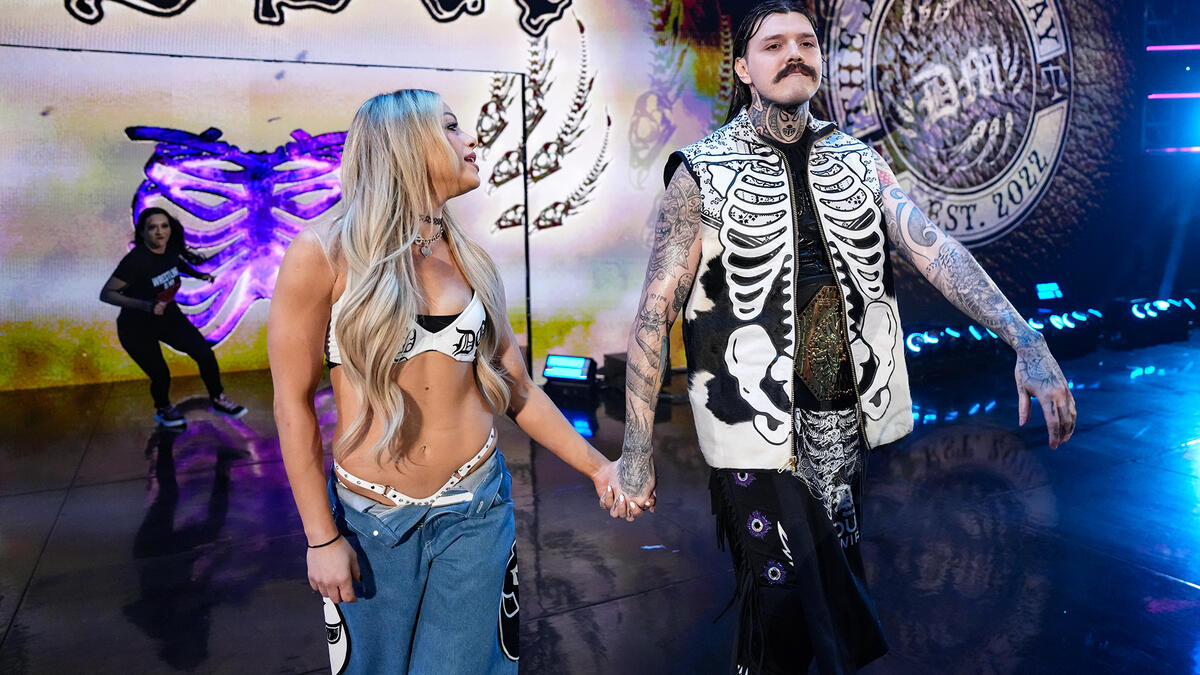
The Liv Morgan and Dominik Mysterio circus has fans hitting their limit
1 month, 2 weeks ago