The Title Shot Comes at a High Cost
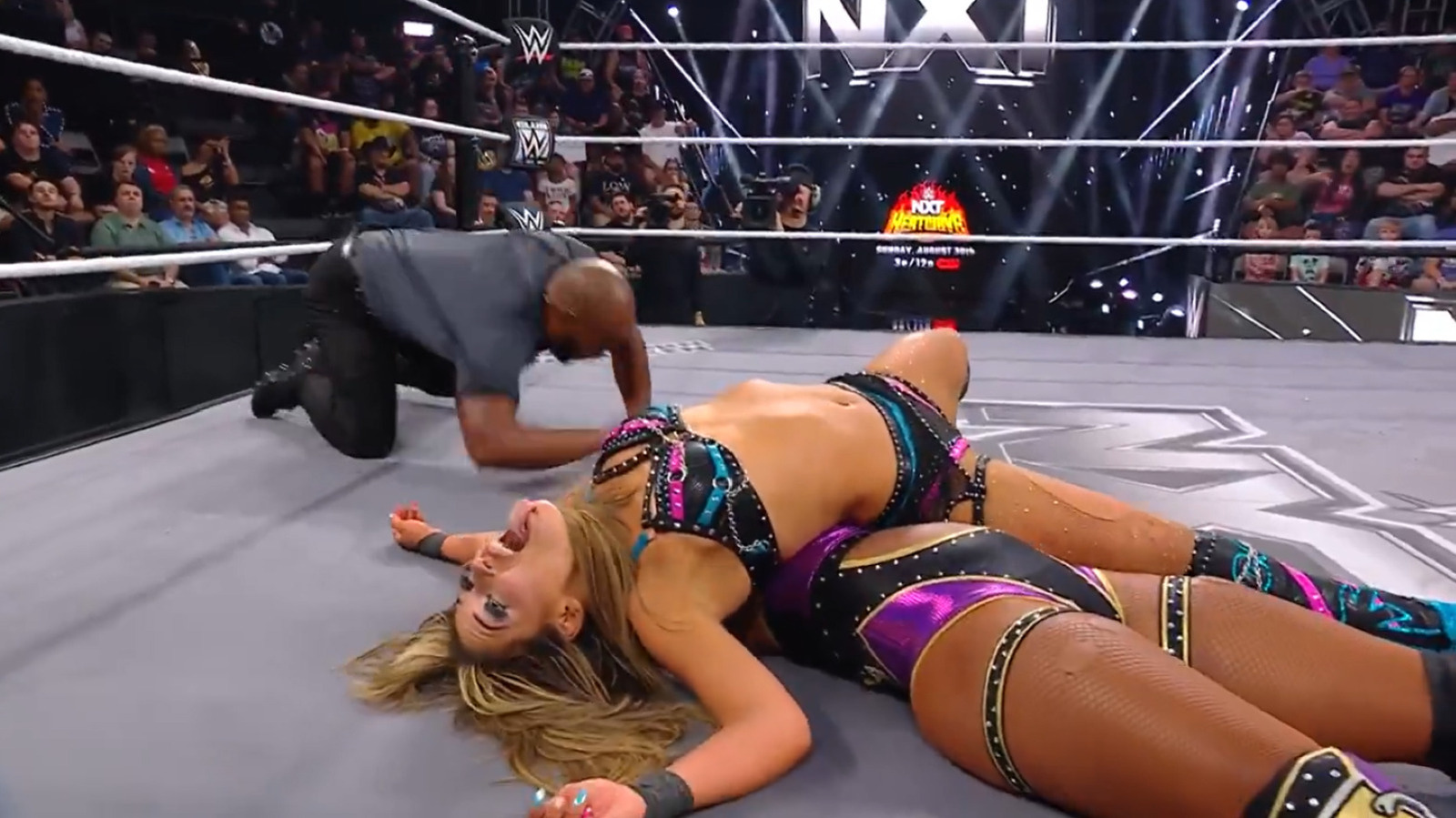
Lola Vice secured her path to the NXT Women's Championship, but her victory in last night's main event on NXT has left the locker room in a state of concern. Following a high-impact sequence against Kelani Jordan, Vice required immediate attention from the ringside medical team. Sources within the Performance Center confirm she is currently undergoing evaluation for a lower-limb trauma sustained during the closing minutes of the broadcast.
The move in question occurred during a flurry of strikes as Vice transitioned into her signature MMA-striking combination. A landing appeared to compromise her stability, though she successfully completed the pinfall to earn her title opportunity. The sequence looked unscripted and awkward for a performer who typically displays surgical precision inside the squared circle.
Timeline for Resolution and Impact
Current internal projections estimate that Vice will remain out of in-ring competition for a minimum of 4 to 6 weeks. This timeline places her status for the upcoming NXT premium live event in direct jeopardy. Without clearance by late August, head bookers will be forced to reorganize the women's division title hunt entirely.
This injury represents a significant disruption to NXT's momentum. The momentum building behind a Jordan vs. Vice rematch was among the strongest narratives currently playing out on Tuesday nights. If Vice cannot compete, the promotion faces an uncomfortable reality where their main event program loses its established heat due to health obstacles.
Historical Context and Structural Flaws
Sprain-related issues for high-impact strikers are not unprecedented in the developmental territory. History confirms that combat-style performers often struggle with ankle and knee stability when transitioning between specialized striking exchanges and high-elevation maneuvers. Past performers who relied on MMA-based offense have frequently faced similar downtime in the past decade.
This is where the critique of current booking becomes clear. Relying on high-intensity striking sequences that force athletes into compromised landing positions has become a recurring issue in recent television tapings. Demanding consistent main-event physical output without adequate recovery periods, as Wrestling Inc documented regarding her recent match, puts talent at a disadvantage before big title matches ever occur.
The pressure to maintain a television-ready product has resulted in a failure to prioritize defensive physicality. If the promotion continues to push top-tier talent toward these rigid physical thresholds without accounting for basic load management, these injury cycles will repeat. The lack of an adjusted recovery interval for performers like Vice suggests that management is prioritizing the immediate television hook over the long-term viability of the roster.
Strategic Implications for NXT
Management now holds three distinct paths forward. They can wait for the medical report to confirm a four-week recovery, they can elevate a challenger to bridge the gap, or they can rebook the card entirely. Each choice risks draining the narrative momentum that the brand built throughout the summer months.
Spectators expecting a standard title match will likely be disappointed if a scramble to find a replacement begins. Fans looking for the technical prowess shown in the last major encounter will find the product lacking if the main event scene is forced into a pivot. The decision to allow high-risk sequences in a television match—rather than saving the spot for an untelevised premium event—has backfired.
If the injury reporting confirms structural damage, Vice will become the latest face of a division defined by stop-and-start pushes. This is a recurring pattern that prevents any single performer from establishing a dominant reign as champion. Until the medical protocols sync with the booking intensity, the NXT main event will retain a level of volatility that keeps fans waiting for a full-strength roster that consistently fails to materialize.