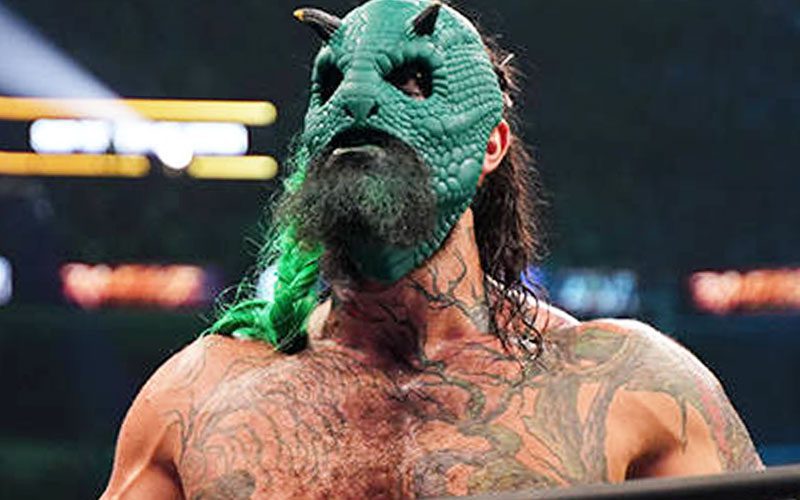
The long road back to the ring
Luchasaurus is finally providing clarity on a shoulder injury that has kept him off television for months. Modern wrestling schedules are meat grinders, and this latest update confirms the grueling physical cost of maintaining a top-tier roster spot.
As reported by Ringside News, the recovery timeline for this specific shoulder trauma is extensive. Fans often see a talent disappear from the mid-card and assume creative disinterest, but the reality is frequently a series of physical setbacks that require long-term rehabilitation.
The hidden cost of championship runs
The physical toll isn't limited to the heavyweight ranks. Liv Morgan recently detailed the struggles of competing through significant injury, specifically noting a hematoma that she managed in the lead-up to her recent championship defense. As WrestleTalk noted, the ability to work through pain is a baseline expectation in professional wrestling, even when the scope of the injury might sideline a traditional athlete for weeks.
This highlights a troubling pattern regarding performer health. While the company has implemented more structured medical testing, the pressure to maintain storyline continuity often forces performers to delay surgery or rest. We see this with the recent bone-chilling elbow injury detailed by a developmental signee, proving that even new talent is being pushed to the brink of structural failure.
Strategic implications and missed opportunities
Luchasaurus missing significant time is a strategic blow to the current roster depth. His unique physical profile allows for specific booking matchups that cannot be replicated by smaller, high-flying specialists. When a performer of his size is shelved, the mid-card dynamic shifts toward technical encounters, which might not cater to the core audience segment looking for power-based storytelling.
The recovery timeline for shoulder instability remains unpredictable. If the injury requires reconstructive work on the labrum, we are looking at a 9-month window before a return is medically cleared. Anything less than that involves a high risk of re-injury upon taking a standard bump like a backdrop or a clothesline.
Historical context of shoulder trauma
Historically, shoulder injuries in wrestling serve as the most common career-altering events. Looking back at competitors who faced similar labral tears, consistency of performance often dips upon return. The constant tension placed on the joint during wrestling maneuvers makes complete recovery rare, even with advanced surgical techniques.
Critically, the medical staff must manage these long-term windows better. If a performer is cleared too early, the compensation patterns often lead to secondary injuries in the neck or lower back. We have seen far too many talents return on a 'fast-track' only to miss more time six months down the line because they were forced into a high-impact wrestling style before their stabilizer muscles were at 100 percent capacity.
The industry needs to adjust its expectations. Putting a guy like Luchasaurus through high exertion cycles without adequate rest periods is a choice, not an accident. The management of these physical assets in 2026 remains questionable at best. Fans want to see the show, but losing big men to avoidable long-term atrophy is a failure of the current performance center protocols.
We can only hope that modern diagnostic tools allow for a more measured approach. If he returns to the ring before the 6-month mark, the risk-reward ratio is significantly weighted toward the negative. Wrestling is theater, but the medical reality of shoulder repair is not scripted.
The return date is currently estimated for late in the fourth quarter of this year, provided there are no setbacks in weight-bearing capacity. Until then, the booking team has to fill the void with makeshift programs that likely won't hit the same fan engagement metrics. The roster is deeper than ever, yet the fragility of these top stars remains the biggest hurdle for every creative team across the major promotions.