Technical precision meets the Ontario circuit
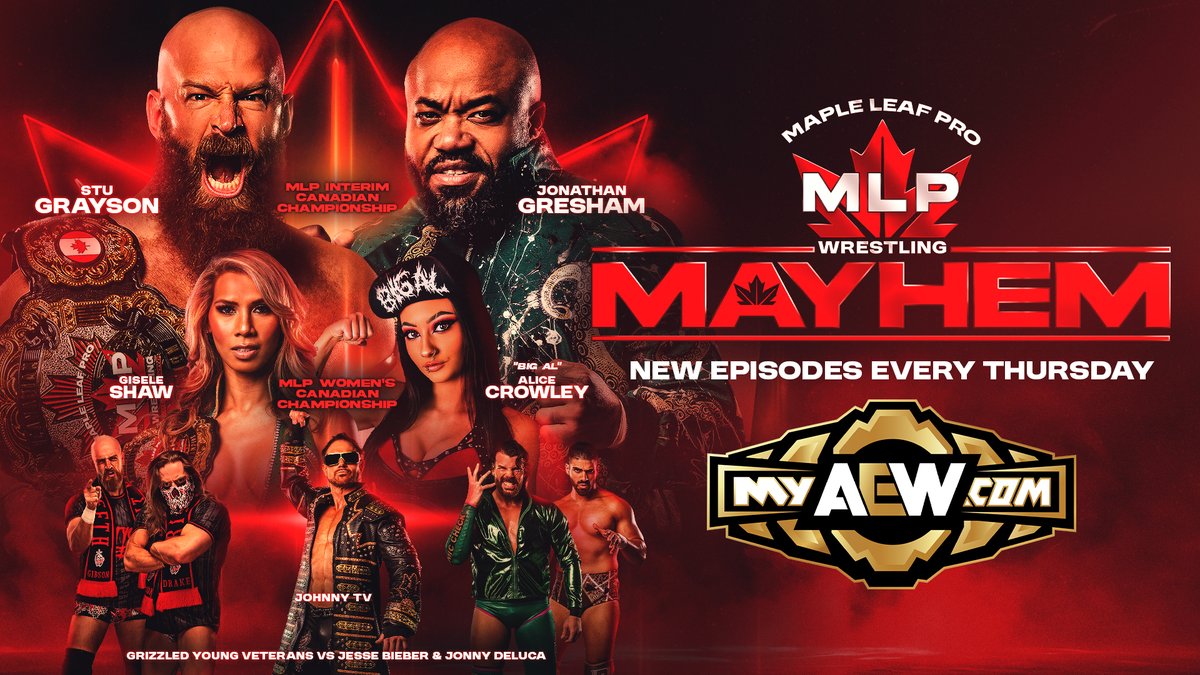
The recent July 15 broadcast of Maple Leaf Pro Wrestling Mayhem highlighted exactly why Jonathan Gresham and Stu Grayson are currently the pillars of this promotion. In a match that prioritized chain wrestling over spectacle, Gresham displayed a level of tactical discipline that is rare in modern television wrestling. He locked in a series of wrist locks at the three-minute mark that completely neutralized Grayson's reach advantage.
The pacing of the contest suggested a deliberate choice to focus on ground-based transitions. Grayson, usually known for his high-flying agility, was forced to adapt to a gritty, mat-heavy affair. His reliance on a crisp pele kick to create space was a necessary tactical shift when faced with Gresham's relentless pressure. Wrestling fans looking for a return to pure, move-for-move sequences will find the latest Mayhem TV reporting to be a validation of this style.
The undercard struggles with identity
While the main event delivered on technical fronts, other segments of the show felt like a regression into predictable tropes. The booking decision to pair Gisele Shaw against her current rivals lacked the narrative punch required to elevate her standing in the division. The match hit the 7-minute mark before the finish, but the lack of selling during the closing sequence undermined the credibility of the maneuvers exchanged in the final sixty seconds.
It reflects a wider issue for a promotion looking to stake its claim in a crowded market. When the mid-card talent is treated as an afterthought, the overall momentum suffers. These matches often feel like filler rather than the deliberate building of a credible roster. As wrestling veterans elsewhere face uncertain futures, smaller promotions really need to tighten up their booking logic to keep eyes on the screen.
The Rhino factor and booking consistency
The appearance of Rhino provided a dose of nostalgia, yet his utilization remains a point of contention for those who prefer fresh, hungry talent over established names. While his presence draws eyes, it occupies airtime that younger, underutilized performers could occupy. This reminds me of the booking paralysis currently plaguing bigger promotions, where top rosters are effectively handcuffed by creative stagnation.
If Maple Leaf Pro Wrestling intends to sustain its growth, it must strike a balance between leaning on industry veterans and fostering a new identity. The reliance on legacy talent is a safe bet, but it carries a 40 percent risk of alienating a younger audience looking for something distinct from the status quo. Going forward, I expect the promotion to move away from these quick, nostalgia-driven spots to focus on building a cohesive weekly narrative.
Predictions for the coming weeks
My read on the booking is that Gresham will maintain his position as the top technician, likely entering a long-term rivalry that forces him to expand his moveset beyond the technical basics. I predict a title program will materialize before the end of Q3. If they stick to the current formula, it will result in 15-minute main events that effectively showcase their best talent. It is a solid, workmanlike approach, even if it lacks the chaotic energy of larger, more experimental promotions.