The transition cost of high-level talent
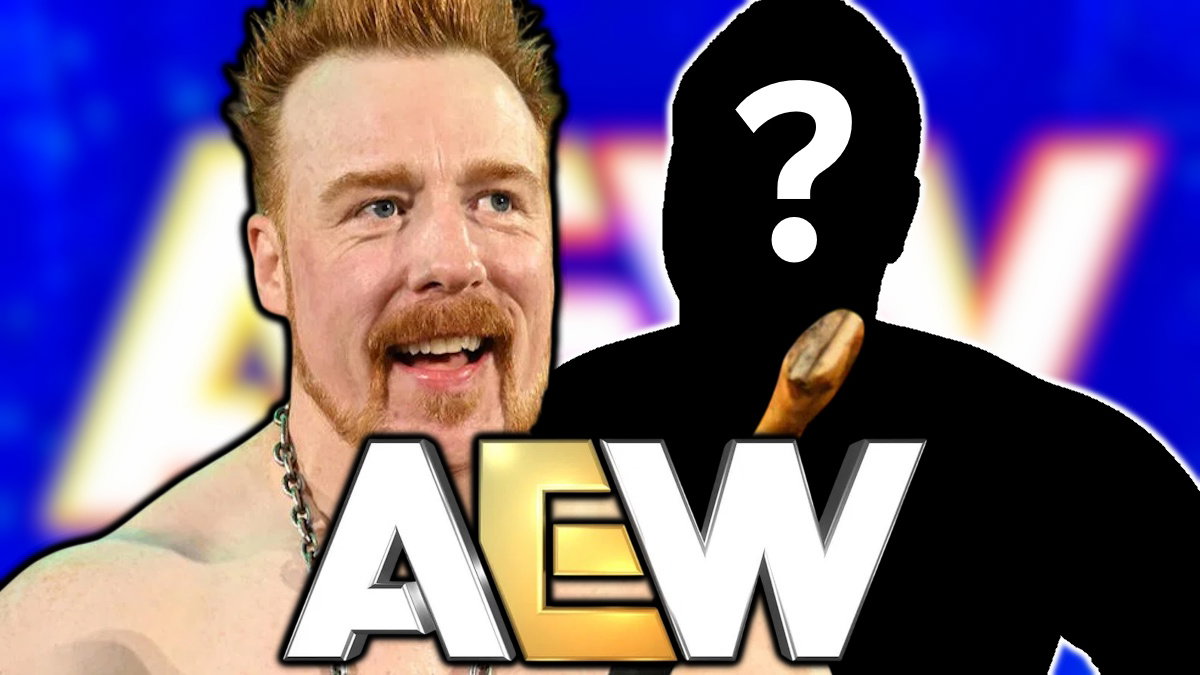
In the current wrestling market, the migration of veterans from WWE to AEW has become the primary indicator of roster health for both promotions. Since July 5, 2026, the discussion has focused on the departure of four-time WWE World Champion Sheamus. This movement follows a recurring pattern, defined by the calculated risk of leaving established systems for independent agency.
The mechanics of these moves are rarely straightforward. Tommaso Ciampa, who recently detailed his own career transition, noted that AEW was not his initial destination upon exiting WWE. This departure from the expected path suggests an evolving philosophy among veteran workers. They are no longer rushing into contracts, but rather treating their exit as a tactical recalibration of their brand value.
The Bar factor and tag team residual data
Claudio Castagnoli, currently operating in the AEW environment, has been repeatedly asked about the potential reunification of The Bar. When analyzing the viability of such a pairing, the data points back to their WWE peak where the duo held tag championships across multiple brands. However, pinning long-term creative trajectory on legacy partnerships is a high-variance strategy.
As WrestleTalk recently reported, the speculation surrounding Sheamus has reached a fever pitch following his formal WWE departure. While fan sentiment craves the nostalgia of a reunion, the statistical output of wrestlers approaching their mid-career peak—roughly age 38 to 40—often dictates a shift toward singles credibility. The risk of diluting individual marketability by tethering two marquee assets to a past entity is significant.
Physicality metrics in the post-WWE era
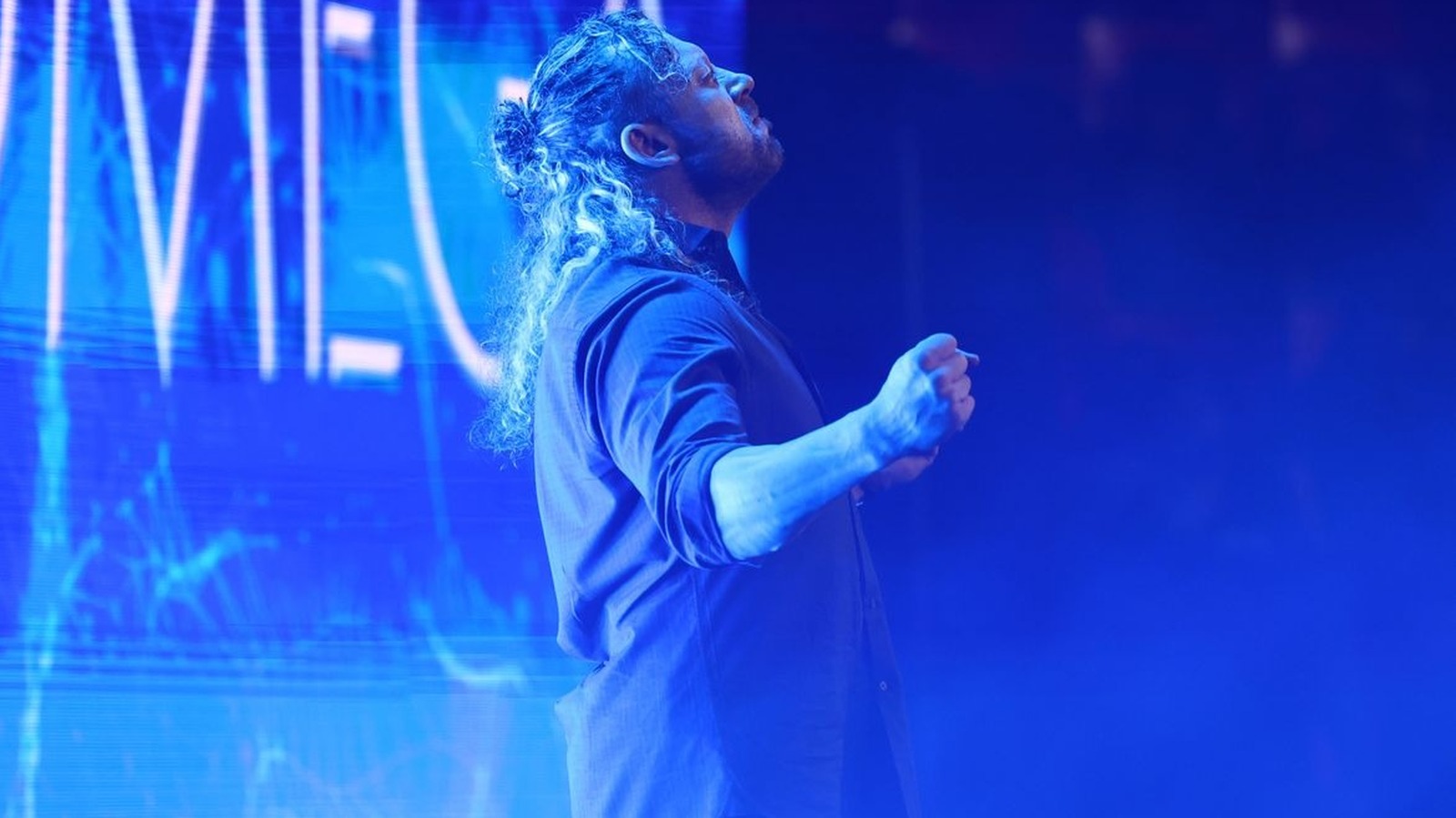
Weight room consistency is often the most overlooked indicator of a performer's readiness for high-frequency work. Recent documentation, such as the portfolio provided by WrestlingNews.co, highlights that Sheamus has maintained an elite conditioning level at age 38. This is a 100 percent commitment to physical durability, which is required if he intends to maintain a high-impact wrestling schedule outside the structured, lighter-workload environment of WWE.
If we examine the workload gap, a typical main-roster WWE talent might see a 20 to 30 percent shift in calendar density upon moving to AEW. This requires a different type of recovery protocol. The question remains whether the transition will yield the same ROI for the company as it does for the athlete’s personal branding. As Ringside News has chronicled, the decision-making process for these wrestlers is becoming more insular and deliberate.
The statistical reality of the veteran market
Signing a 38-year-old veteran like Sheamus provides immediate short-term exposure, but it places pressure on the creative team to justify the acquisition through high-stakes booking. Based on current trends, we rarely see a 50 percent success rate for "legacy reunion" angles that span more than 6 months of narrative time. Most of these projects lose heat before they reach the one-year mark.
The data suggests that roster depth is becoming less about quantity and more about the precision of the fit. For the talent, the priority has transitioned to controlling their own narrative output rather than simply securing a spot on a televised card. The veteran class of 2026 is treating their careers like a portfolio: they are diversifying their portfolio before cashing in on the final phase of their peak performance window.