Measuring the scale of the Mattel and AAA partnership
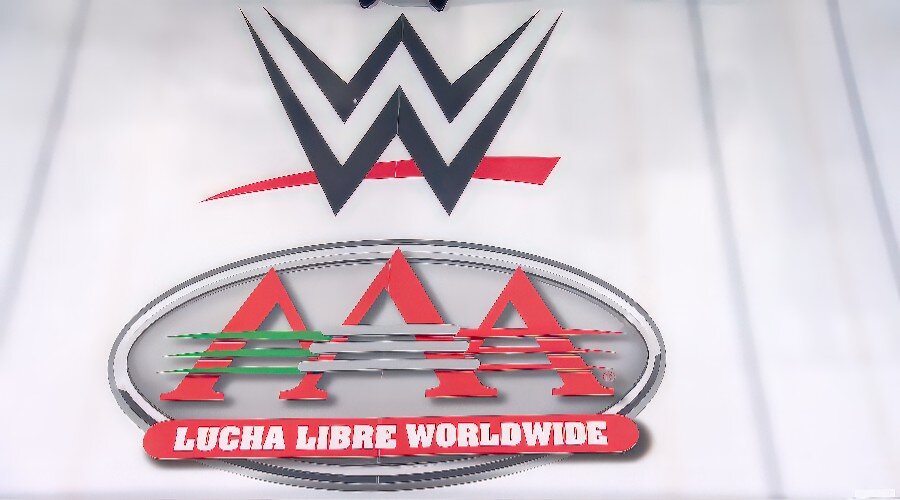
In a move that signals a significant expansion of the professional wrestling toy market, Mattel announced a global licensing deal with Lucha Libre AAA. The product line is slated for a debut in the Fall of 2027, according to recent industry announcements. This deal marks a shift for a company historically synonymous with its multi-decade relationship with WWE.
For analysts, the core question involves market penetration. The WWE toy division functions on a massive scale, with figures often occupying multiple aisles in big-box retailers. By bringing AAA into the fold, Mattel is effectively diversifying its portfolio beyond the rigid constraints of a single-promoter monopoly. We are looking at a 16-month lead time until the first units hit shelves, providing ample room for branding cycles.
Defining the value proposition in licensed wrestling goods
Historically, toy rights for non-WWE organizations have struggled to maintain shelf space. While PWInsider reporting confirms the scope of this global deal, the success will depend on volume. If Mattel can leverage their existing manufacturing pipelines, the risk is minimal. However, the barrier to entry remains high.
Consider the logistical hurdles of high-frequency production. Moving from contract signing to a retail launch in under 1.5 years is remarkably tight for a new property. Previous attempts by competitors to capture the Lucha Libre market share have often struggled with distribution inconsistencies rather than product design. Success here requires Mattel to hit a specific price point — ideally under 20 dollars — to entice casual consumers who might not identify as hardcore lucha fans.
The financial implications for global expansion
The total addressable market for AAA merchandise remains heavily concentrated in Mexico, yet the licensing deal is designated as global. This suggests a strategic attempt to export Lucha Libre talent into the North American toy market alongside traditional WWE releases. When looking at the recent licensing news, one realizes that the sheer brand equity of the Mattel name is the real asset being sold here, not just the plastic figures themselves.
One counterintuitive risk exists: internal cannibalization. If the AAA product line is placed in the exact same retail section as their dominant WWE line, the latter could lose 5 to 10 percent of shelf-space depth to a lower-polling brand. This is a classic supply-side dilemma. Mattel managers effectively face a split-allocation challenge that they have not had to navigate for roughly 30 years.
Whether these figures act as a bridge or a niche curiosity depends on the 2027 marketing push. The company has essentially three quarters to build an awareness campaign. If they fail to capitalize on the 4 distinct styles of AAA presentation, they risk alienating the core audience while failing to gain traction with the casual buyer.