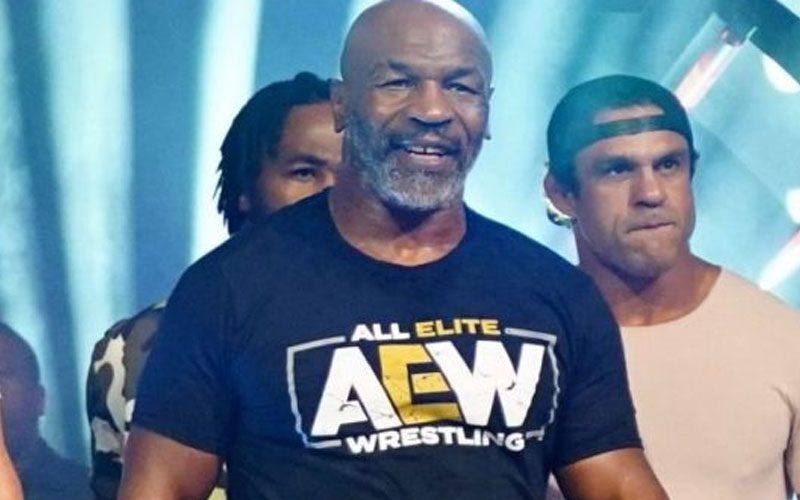
The operational reality of celebrity guest spots
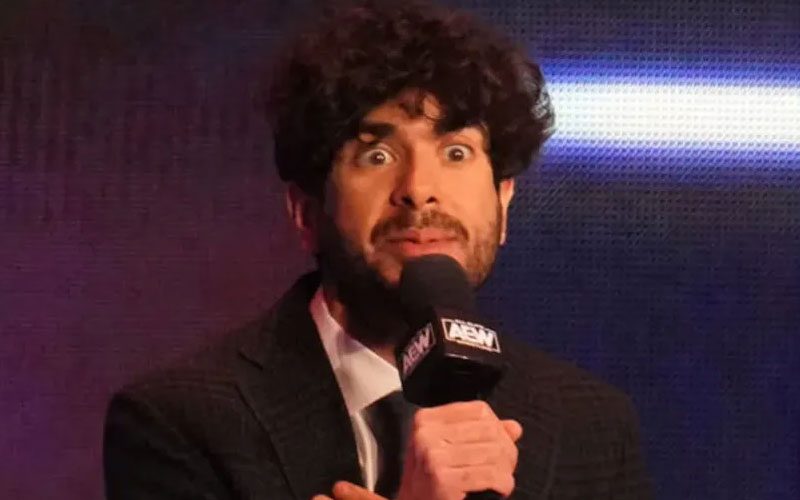
Celebrity involvement in professional wrestling often carries an inherent risk to talent and production schedules. The recent breakdown of how Mike Tyson’s appearance in All Elite Wrestling materialized underscores the logistical complexity required to manage high-profile outsiders. Nick LoPiccolo, operating behind the scenes, served as the primary facilitator to navigate the demands and scheduling constraints surrounding Tyson’s involvement.
These bookings require extensive pre-production work. Unlike full-time staff, external celebrities do not exist within the standard internal medical or training protocols of the promotion. Managing Tyson meant balancing high-profile media optics against the technical requirements of a live wrestling broadcast. This adds a layer of anxiety for agents and producers attempting to protect the primary roster during these segments.
The hidden risks of integration
History shows that these cross-over moments suffer from a lack of standard preparation. When an external entity enters the ring, the margin for error during complex sequences remains slim. If a celebrity is not conditioned for the physical toll of a broadcast, the likelihood of a mid-match injury—or an errant move that strikes a regular performer—spikes significantly. Production teams must compensate by shortening segments, removing high-impact spots, and relying heavily on smoke-and-mirror transitions.
Critics often point to these segments as moments where momentum grinds to a halt. In the build-up surrounding Tyson’s involvement, the deviation from established in-ring narratives highlighted a common flaw in modern wrestling booking: the elevation of the guest over the established talent. If the creative direction relies on a non-wrestler to drive engagement, the full-time roster is forced to exist in a secondary role, potentially damaging long-term buy-in from the audience.
Strategic implications for the talent pool
The industry standard for integrating celebrities has evolved, but the underlying danger remains. Injuries incurred during celebrity spots are frequently more critical to the business than standard wrestling injuries because they reflect poorly on the company’s ability to manage its most visible assets. If a top star requires months of rehabilitation because a high-profile guest drifted from the script or lacked spatial awareness, the financial fallout is immediate.
Promotion leads are now adopting more restrictive agreements to mitigate these scenarios. The reliance on facilitators like LoPiccolo proves that the front office recognizes the volatility of these situations. These agents earn their keep by preventing disaster before cameras roll. The zero-tolerance approach toward unverified spots in the ring has become a cornerstone of modern liability management for major promotions.
Historical patterns of celebrity crossovers
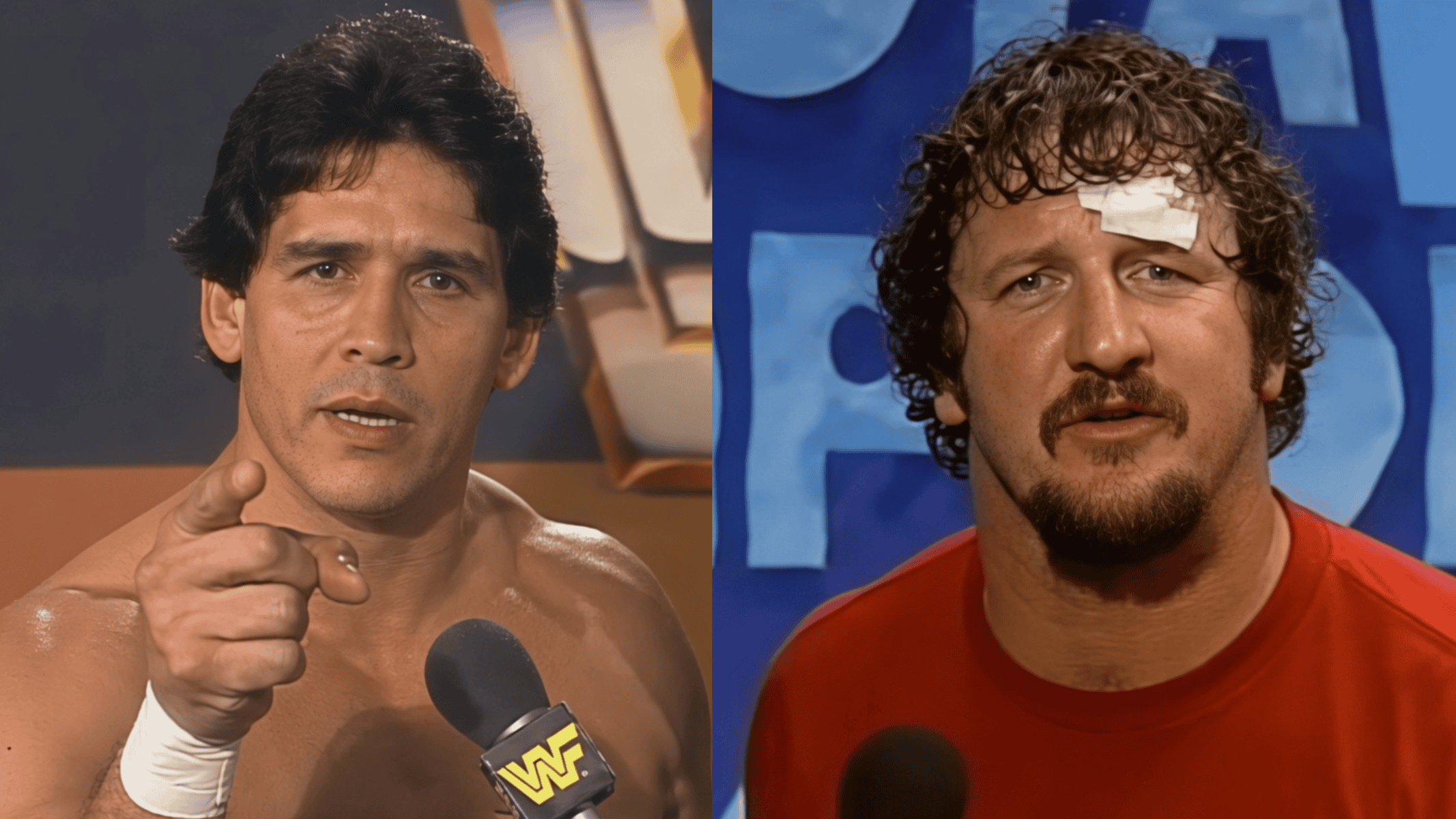
This is not a new challenge. From the collaborations in the mid-80s to modern celebrity transitions, the success rate fluctuates wildly depending on the level of preparation. Whenever an outsider enters a high-intensity environment without proper medical vetting or conditioning, the potential for a catastrophic error increases. Teams now prioritize the physical safety of their roster by layering these segments behind pre-tapes or highly choreographed, low-risk spots.
Even with advanced planning, fatigue in a live, long-form broadcast environment can cause even the most experienced athletes to commit errors. Relying on an external force for a ratings spike is a high-stakes gamble that frequently results in a loss of continuity. For AEW to maintain its current audience, the balance between legitimate wrestling competition and celebrity marketing must be managed with tighter control than the sport has historically allowed.
Ultimately, the objective is to prevent the guest from becoming a liability. As long as these bookings occur, the industry will continue to utilize specialized handlers to navigate the physical and scheduling demands. The cost of a failed celebrity interaction is more than just a bad segment; it is a potential interruption to the active competitive roster. Maintaining that focus remains the primary responsibility of those behind the curtain, regardless of how large the celebrity’s name appears on the marquee.