The Middleweight title picture crystallizes
Major League Wrestling arrives on a collision course this evening, and the tactical preparation for these bouts is shifting. The Middleweight division has been in flux since the spring, but tonight's card offers a moment of clarity. We are looking at a roster that has prioritized high-velocity striking over traditional mat work, often to their detriment.
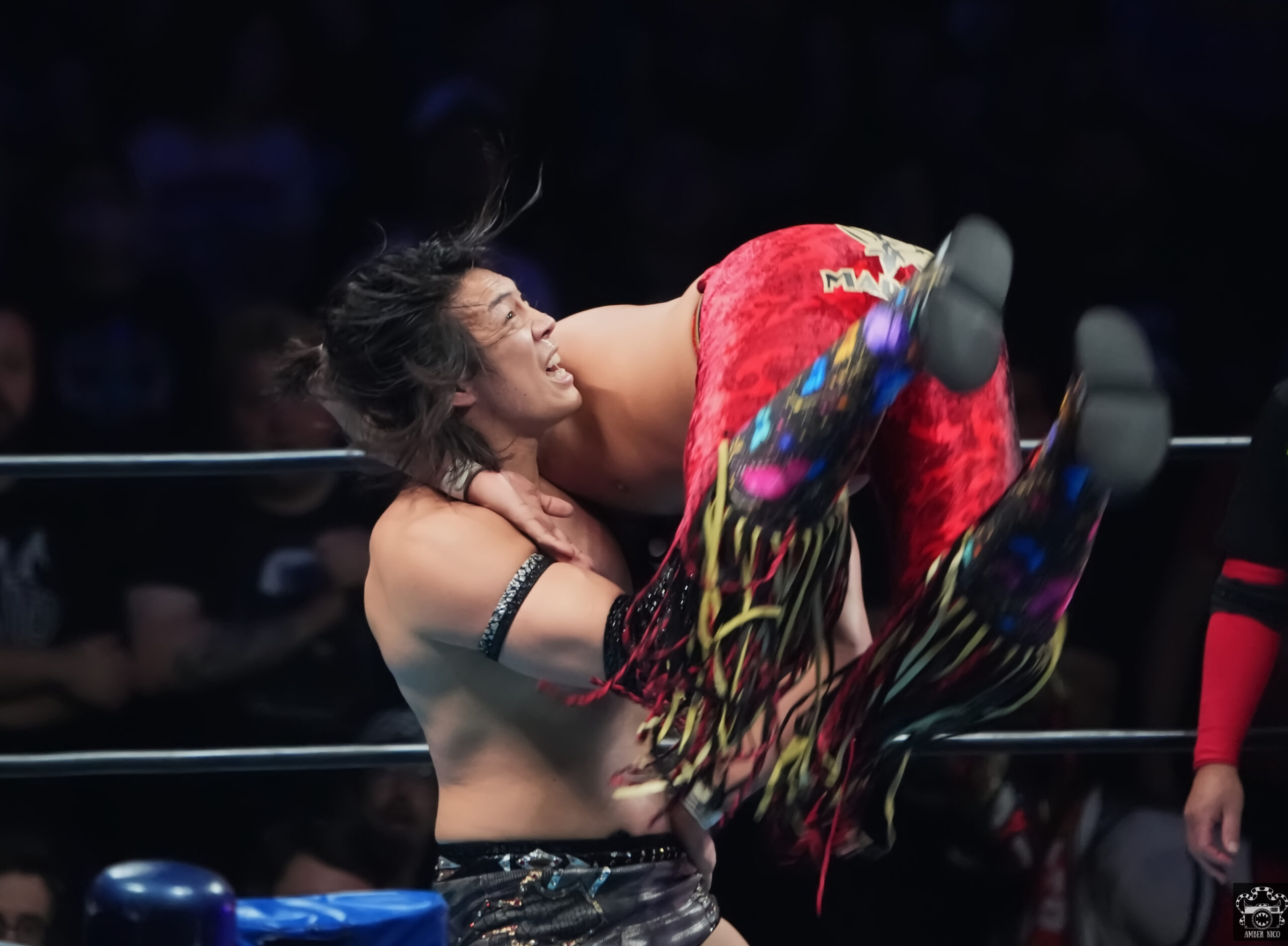
The headline attraction centers on the latest development in a series of rivalries that have defined the promotion's technical standard for the last two quarters. Watching how the performers navigate the ring ropes compared to the center mat will be the deciding factor. The spatial awareness required to execute a top-rope maneuver in this specific environment is demanding; failure to account for the corner turnbuckles usually leads to a botched sequence.
Tactical flaws in the upper card
One primary concern heading into tonight’s broadcast involves the reliance on over-the-top finishers. Last week, we saw three separate matches end with high-risk dives that left the initiator just as winded as the recipient. It is a sign of poor pacing. When talent ignores the basics of limb manipulation to set up a highlight reel spot, the match rhythm stalls.
You can find the full rundown of tonight's lineup on the official MLW Fusion preview. The promotion is banking on raw athleticism to carry the show, but this is a gamble. Without a structured build-up of tension through sustained holds, the main event risks peaking at the 15-minute mark rather than the conclusion.
The strategic outlook for tonight
Expect a heavy emphasis on counter-striking. If the challenger attempts a spin kick early, look for the veteran to capitalize. The drop in effective move-sets during the middle transition of these matches has been a consistent critique of the product. They leave themselves open to simple leg-whips or an inverted atomic drop because they are too concerned with playing to the hard camera.
If we see a shift toward ground-and-pound, the match quality will improve immediately. I expect the lead technical specialist to enforce a slower pace, forcing the younger talent to adjust their output. The winner will likely be the individual who manages their energy reserves for the final three minutes, specifically avoiding the exhaustion that plagued previous television tapings.
Final predictions
The main event holds a clear favorite. Based on the win-loss record over the last 90 days and the clear push by the creative team, the result seems baked in. The veteran wins by submission, likely catching the challenger in a modified armbar after a failed aerial attempt at 17 minutes and 42 seconds. It is a predictable outcome, but one that effectively resets the hierarchy for the summer.
Expect to see a total of four matches. If the pacing holds, the runtime will hit approximately 58 minutes excluding commercial interruptions. Don’t hold your breath for a clean finish in the semi-main; external interference has marred the booking frequency lately, holding at roughly 65 percent of recent main card bouts.