The Boston Triple Threat and the 78-Day Milestone
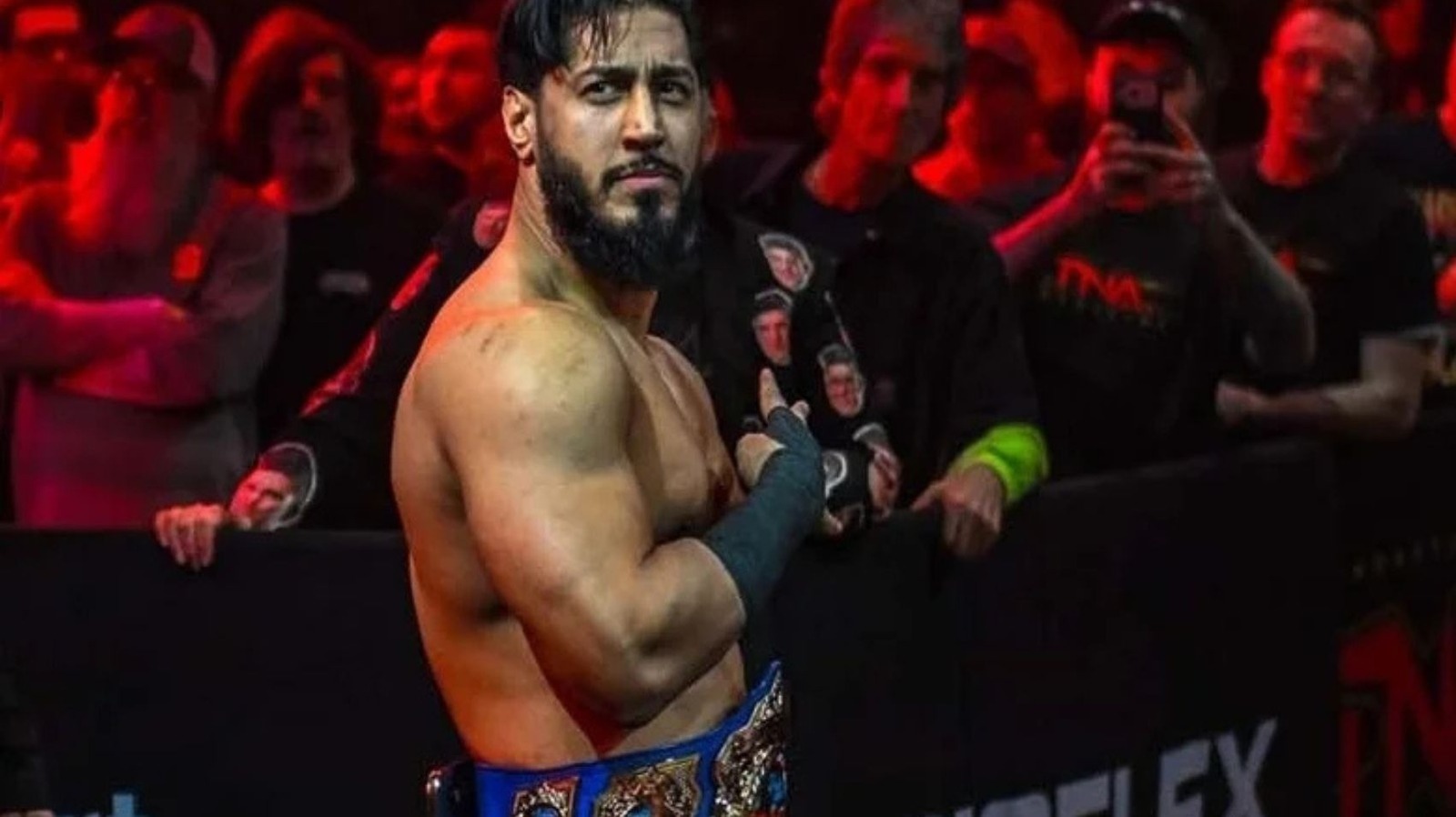
When Mustafa Ali bridged his hips to hold Rich Swann’s shoulders to the canvas at the Agganis Arena, he did more than just survive. The three-count at Slammiversary on June 28, 2026, pushed Ali's championship reign to 78 days. This milestone represents a rare moment of stability for a championship defined by rapid turnover since its inception in March 2025.
The TNA International Championship replaced the retired Digital Media Championship with the promise of creating a workhorse title. Instead, the belt has cycled through six distinct reigns in just 15 months, leaving the midcard division without a clear focal point. Ali’s current run has finally surpassed the historic average reign length of 71.8 days. However, the manner of his survival in Boston, which was detailed by Wrestling Inc, exposes a booking template that prioritizes short-term surprises over long-term division building.
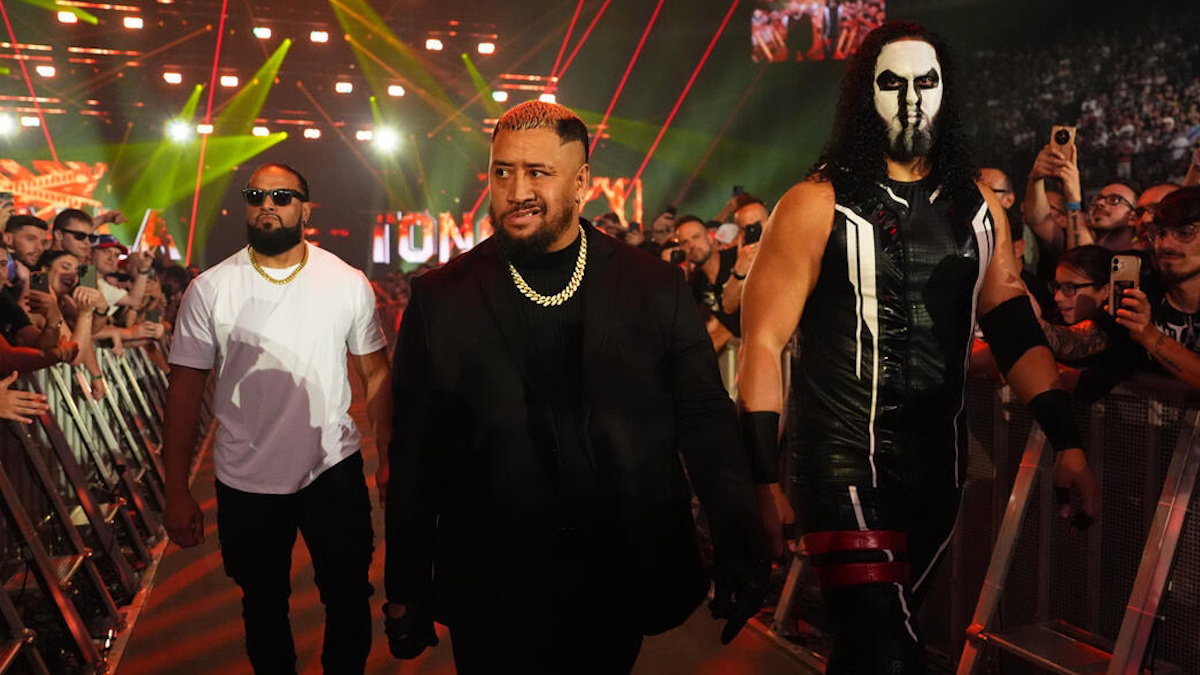
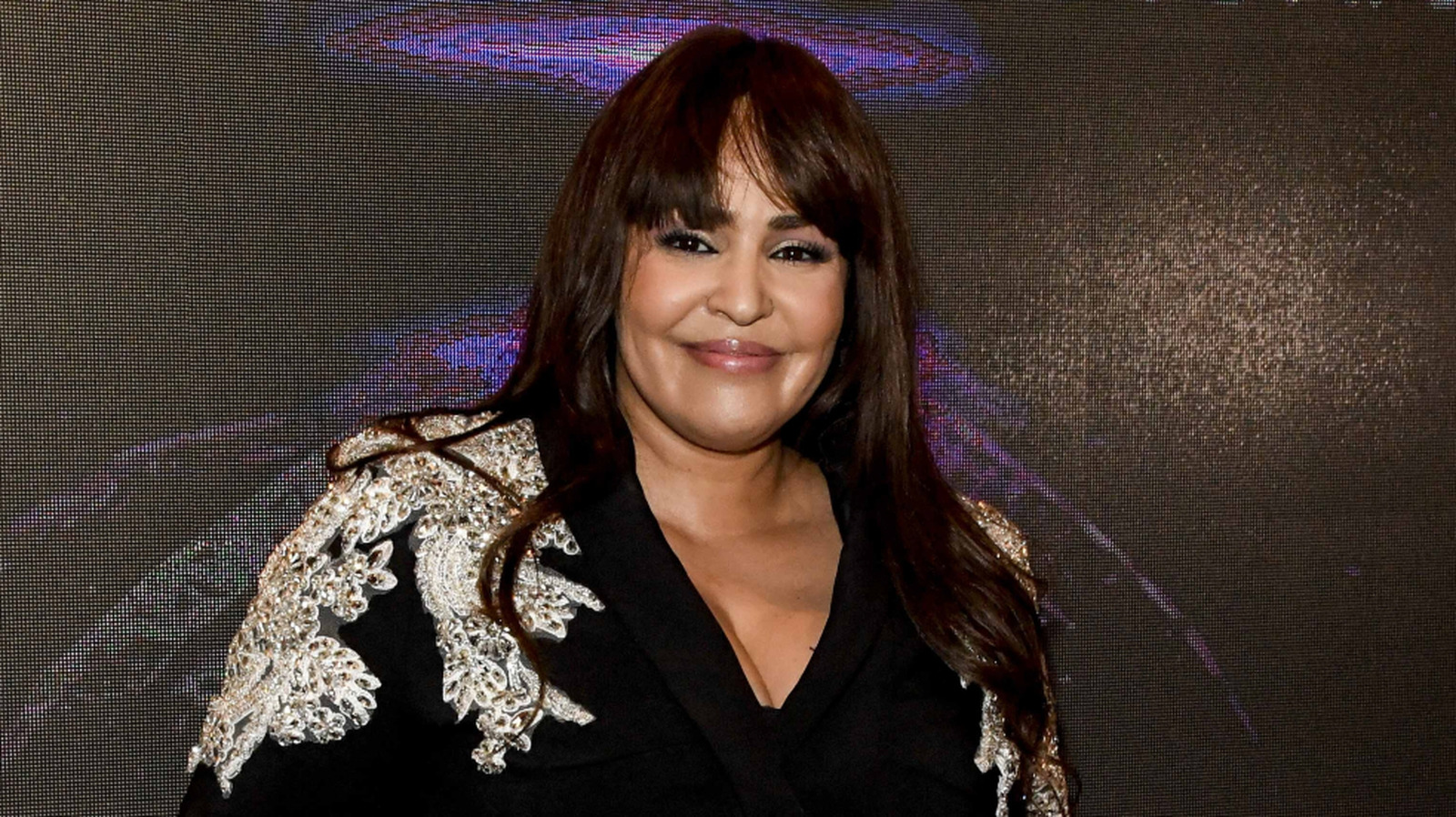
Ali originally issued an open challenge, hoping to showcase his dominance. The booking took a sharp turn when TNA Directors of Authority Santino Marella and Daria Rae intervened. Marella selected the debuting Uhaa Nation, while Rae added former world champion Rich Swann. This forced Ali into a defensive position, turning a standard defense into a high-stakes triple threat match.
Analyzing the Mathematical Volatility of TNA's Midcard
To understand the stakes of Ali's defense, one must look at the historical volatility of this title. The five reigns preceding Ali’s victory at Rebellion on April 11, 2026, show a division in constant flux. Steve Maclin was the inaugural champion, winning a tournament final at TNA Unbreakable on April 17, 2025, and holding the title for 162 days. That initial reign remains the high-water mark for the belt's prestige.
What followed was a series of rapid transitions that devalued the championship. Frankie Kazarian held the title for a mere 16 days before dropping it back to Maclin. Maclin's second reign lasted 54 days, followed by Channing "Stacks" Lorenzo at 70 days, and Trey Miguel at 57 days. The standard deviation of these reigns sits at 48.6 days, indicating a division that cannot decide on a central figure.
By retaining the title at Slammiversary, Ali has established himself as the second-longest-reigning champion in the title's brief history. Yet, entering a triple threat match presents a massive statistical disadvantage. Under standard three-way rules, a champion faces a theoretical win probability of just 33.3%. In practice, the risk is higher because the champion can lose the belt without being pinned or submitted, nullifying the traditional champion's advantage.
The Structural Math of the Match Finish
Ali's victory did not come through sheer athletic dominance. It was calculated survival. The final sequence saw Ali capitalize on the chaos of three-way dynamics. He used a defensive backslide transition to pin Swann while Uhaa Nation was incapacitated outside the ring.
This tactical choice protected the debuting Uhaa Nation from taking a pinfall defeat. It also kept Swann in a position where he continues to accumulate losses in high-profile matches. This pattern of booking protects newcomers at the expense of established roster members, a trend that can stagnate the midcard hierarchy.
The 65-Day Anomaly and Contractual Engineering
The biggest talking point of the night was the surprise debut of Uhaa Nation. Known to mainstream audiences as Apollo Crews, he was released from his WWE contract on April 24, 2026. His appearance at Slammiversary occurred exactly 65 days after his release. This timeline represents a significant departure from standard industry practices.
Typically, main roster talent released from WWE must observe a standard 90-day non-compete clause. That restriction would have kept Uhaa sidelined until late July. By appearing in Boston on June 28, TNA managed to shave 25 days off that window, suggesting either a legal challenge or a buyout of the remaining contract time.
This contractual maneuvering allowed TNA to capitalize on the post-release buzz. However, it also highlights the promotion's reliance on WWE departures to generate interest. The immediate insertion of Uhaa into a title match, followed by a backstage welcome from Moose, suggests TNA will fast-track him into the main event scene. While this creates immediate conversation, it raises questions about the path for home-grown TNA talent.
Consider the contrast with WWE's recent roster management. On June 27, 2026, Cody Rhodes lost the WWE Championship in a Triple Threat match in Jeddah. While Rhodes is flirting with the booking traps that ruined his AEW run, Uhaa Nation represents the opposite end of the spectrum—a wrestler who was underused in WWE and seeks immediate reclamation in TNA. TNA's ability to fast-track Uhaa indicates a highly aggressive recruitment strategy.
Tactical Spacing and the Pacing Flaws of the Ten-Minute Sprint
The match itself was structured as a high-octane sprint, clocking in at exactly 9 minutes and 52 seconds. In that brief window, all three competitors attempted to cram in a heavy workload of high-impact moves. As Wrestling Inc reported, the pace was relentless from the opening bell. The standout spot of the match saw Ali hit a Styles Clash from the second rope on Swann, who was positioned on Uhaa's shoulders.
The opening three minutes belonged entirely to Uhaa Nation. He used his raw power to dominate the exchanges, executing a delayed vertical suplex on Swann and a military press slam on Ali. Swann mounted a comeback at the five-minute mark, hitting a handspring cutter on Ali and a running shooting star press for a near-fall. The match quickly dissolved into a series of rapid exchanges, leaving little time for psychological pacing.
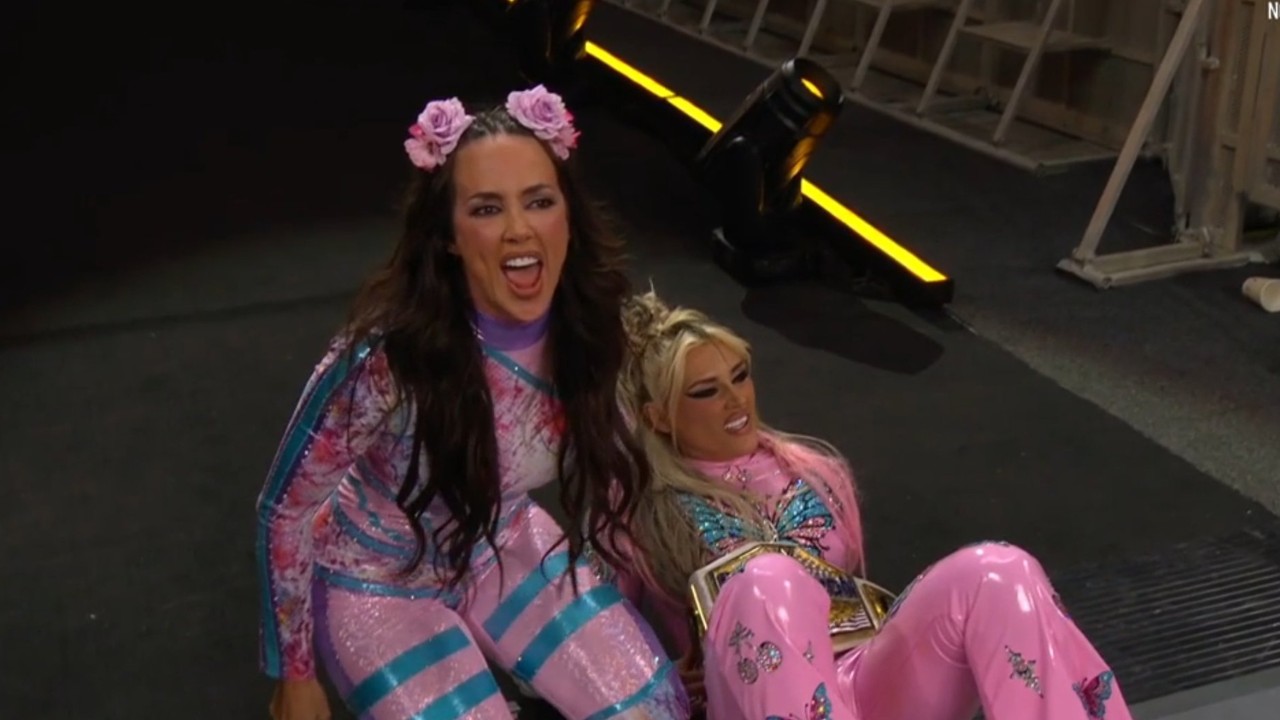
The pacing was further disrupted by the inevitable involvement of the Order 4 faction. Mustafa Ali's stable has become a regular fixture in his title defenses. Tasha Steelz and Special Agent 0 (Bill Collier) made their presence felt in the final minutes. Their interference neutralized Uhaa Nation, throwing him into the steel steps and preventing him from breaking up the pin.
This interference rate is a growing concern for the division's credibility. Over his 78-day reign, Ali has defended the title against opponents like KC Navarro, TW3, and Adam Brooks. In each of these defenses, Order 4 has intervened to secure the victory. What was designed to be a championship showcasing athletic excellence has instead devolved into a series of numbers games.
The finish protected Uhaa Nation, but it left the division in a state of suspended animation. The fans in Boston wanted to see a definitive athletic contest. Instead, they received a rushed match with a chaotic finish that protected everyone and resolved nothing. TNA must decide if the International Championship is a platform for elite wrestling or simply a prop for faction warfare.
The Future of the Workhorse Title
If TNA wants the International Championship to be respected, it must move away from the sub-ten-minute formula. The promotion has the talent to deliver classic matches, but the current booking limits their potential. Ali's reign has the longevity, but it lacks the signature match that defines a great championship run.
The addition of Uhaa Nation provides a fresh opponent for Ali, but only if they are allowed to wrestle without ringside distractions. A clean, fifteen-minute singles match between the two could establish the title's prestige. Until TNA trusts its wrestlers to finish matches without stable interference, the International Championship will remain a prop in a faction storyline rather than a prize worth fighting for.