The branding shift across wrestling's territories
Professional wrestling is currently undergoing a contraction in identity. We are seeing a distinct trend where established talents and emerging stars are distancing themselves from hereditary names or long-standing gimmicks. It signifies a move toward autonomy that mimics the way modern independent contractors define their own market value.
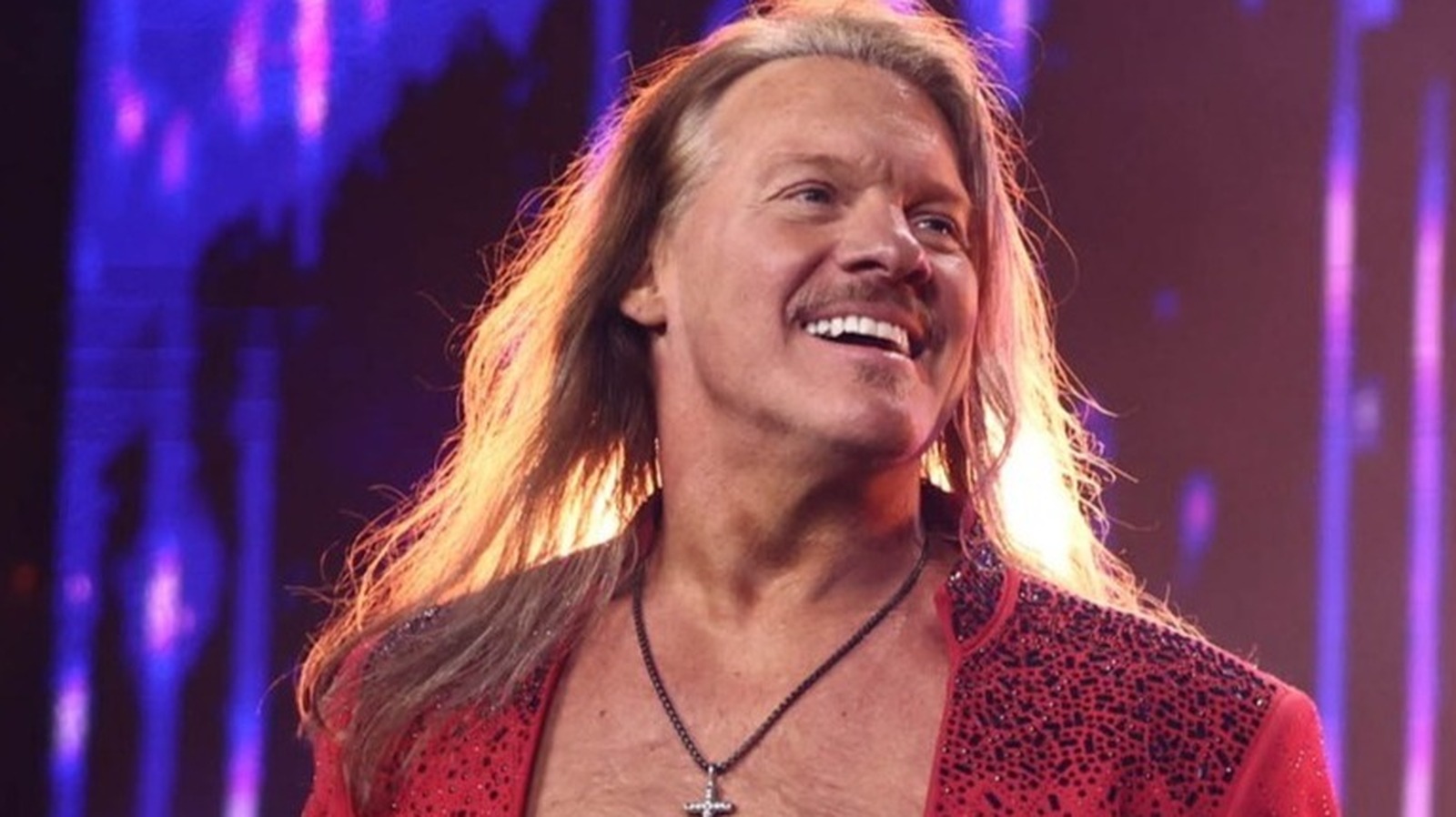
Chris Jericho recently signaled this shift on AEW television. By dropping his first name, Jericho is shedding the baggage of a three-decade career to focus on the immediate brand presence. It functions as a meta-commentary on his own longevity; he believes the surname alone is enough to command a crowd without the historical prefix.
The move toward real-name identification
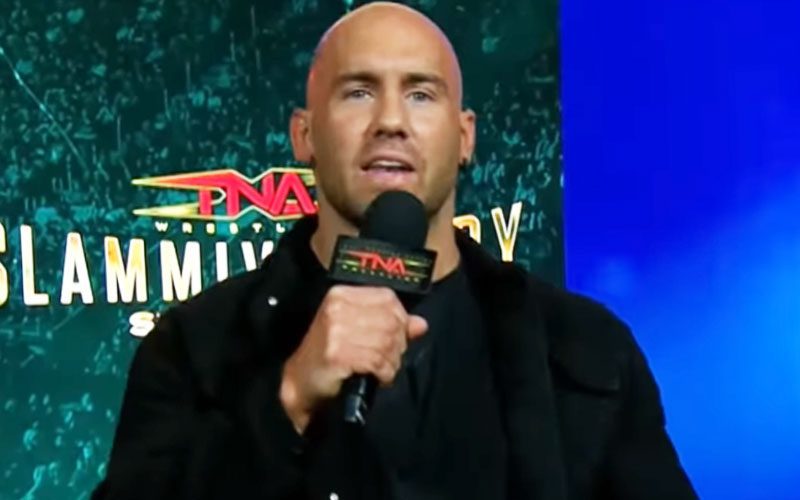
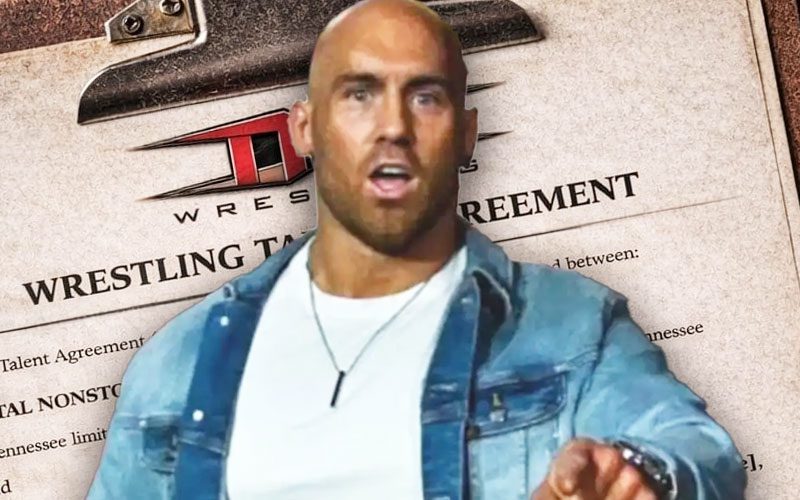
Fabian Aichner has taken a parallel path in TNA. Moving away from his established WWE persona, Aichner opted to use his birth name for his debut. It acts as a reset button intended to distance his current work from the constraints of his previous character development. Providing this level of clarity in his branding suggests a desire for fans to engage with the athlete rather than the previous iteration of the character.
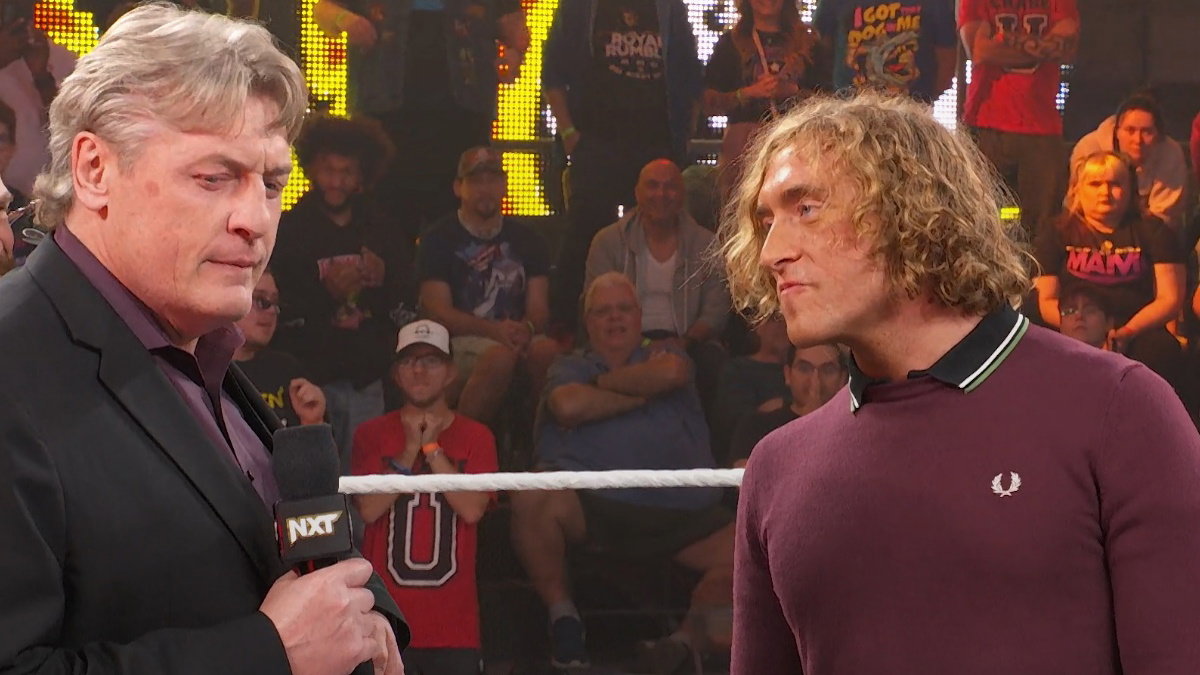
This is not an isolated incident. William Regal has been vocal about why his son, Charlie Dempsey, performs under his own name in WWE. Regal maintains that the wrestling industry requires individual validation to survive. Utilizing a famous name like Regal would invite immediate, potentially unfair comparison, whereas Dempsey must earn his own spot on the card through technical proficiency rather than through a famous pedigree.
Strategic implications for creative booking
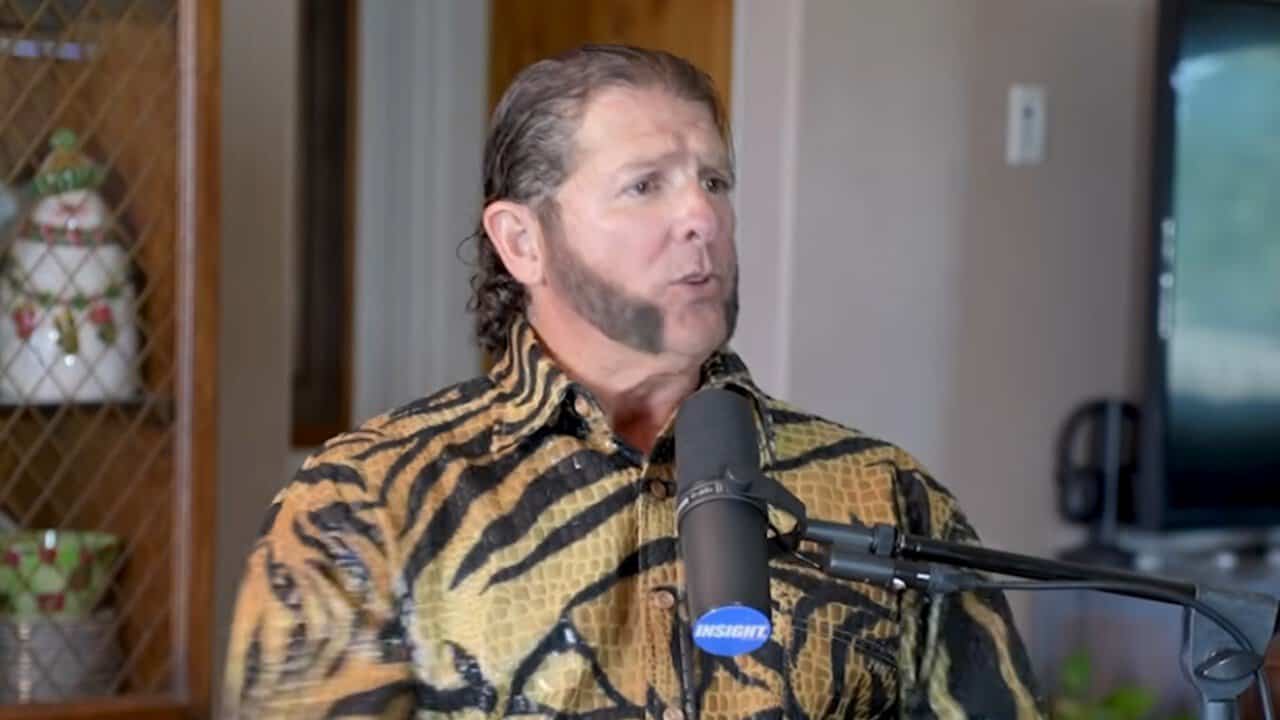
Identity shifting affects how promoters like Matt Hardy envision long-term storytelling. Hardy recently suggested that even legends like Mick Foley might serve better as a canvas for a new promoter than as a crutch for nostalgia. If a seasoned hand like Foley is brought in for his name value alone, the creative growth of the roster often stalls. The goal is to build, not just curate relics.
The risk remains that fans will struggle to connect with these new identities in the short term. Switching names mid-career is, at best, a gamble on brand equity. If the performer fails to deliver a standout performance in the ring, the name change just looks like a confused marketing pivot. Wrestling fans are notoriously resistant to change, and confusing the audience can kill momentum faster than a bad promo.
The weight of the mat
We see these trends whenever a promotion reaches a turning point in its recruitment strategy. While the talent believes these name shifts allow for legitimate creative freedom, the accounting department likely sees it as a move to decouple talent from intellectual property rights held by larger organizations. If a performer owns their name, they control their future.
Data continues to show that audiences react differently based on how a name is introduced. As Wrestling Inc recently reported, the focus on the singular moniker aims to simplify the product. However, as noted in the analysis of recent TNA debut discussions, the move requires a massive buy-in from the fanbase.
Ultimately, these performers are betting on their technical skills over their heritage. Whether Charlie Dempsey or a veteran like Jericho can maintain their draw without the historical context of their branding is the primary question of this cycle. We will see the results of these shifts by the fourth quarter of 2026 as these wrestlers solidify their footing in their internal rankings.