The Real American or just another shoot interview?
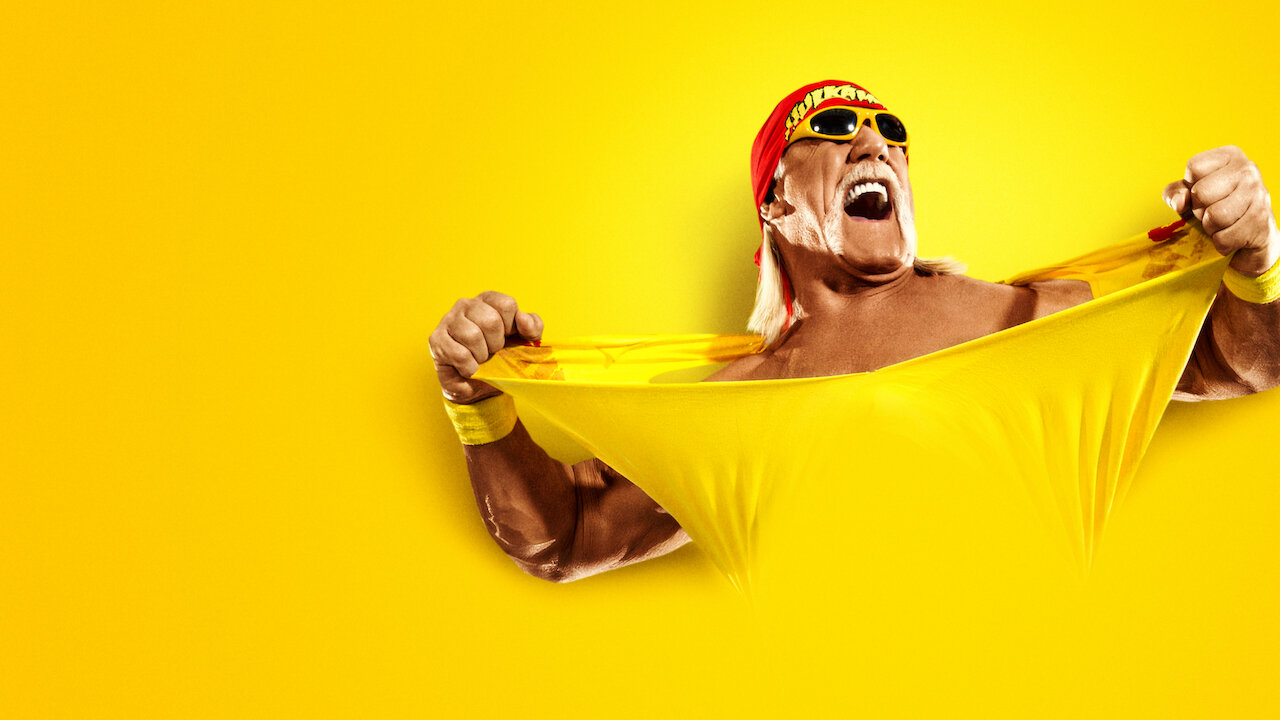
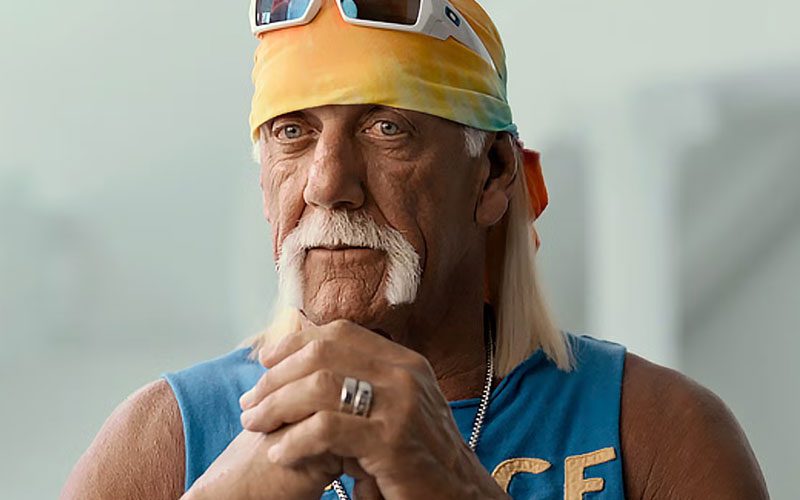
Netflix dropped Hulk Hogan: Real American this week, and the internet is doing what it does best: arguing about whether we just watched a legitimate retrospective or a 4-part PR masterclass. It feels like we are in the middle of a massive work, and half the audience is eating it up while the other half is checking the fine print for the carny-speak.
The biggest question marks are hovering over the edit room. Fans are already tearing their hair out over the massive omissions. When the director admits piles of footage hit the cutting room floor with zero intention of an episodic follow-up, you know the narrative was tightly curated. It is not just about the wrestling; it is about the selective memory of a performer who has spent forty years mastering exactly what the audience sees.
The family fallout and the empty seats
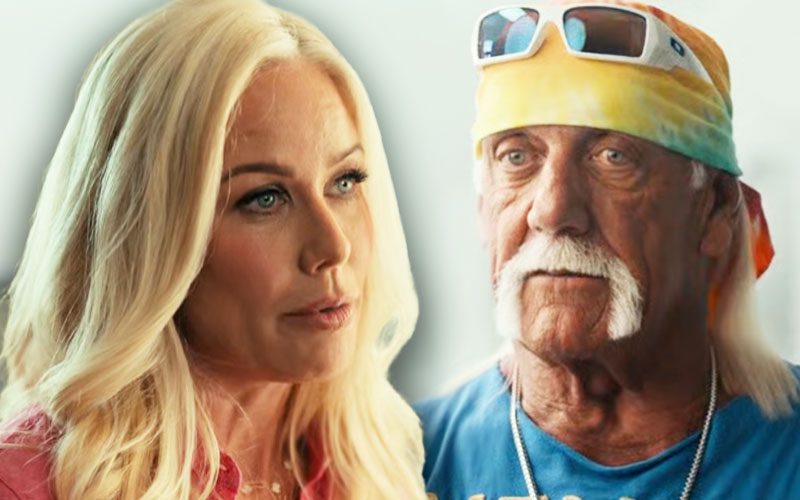
The fact that Brooke Hogan reportedly gave the production the cold shoulder adds a weird layer of meta-drama to the proceedings. If you cannot get the daughter on camera for a project meant to humanize the man, are you even telling the full story? It feels like the show tries to paper over the cracks of the Hogan family dynamic with soaring music and slow-motion entrance footage from the 80s.
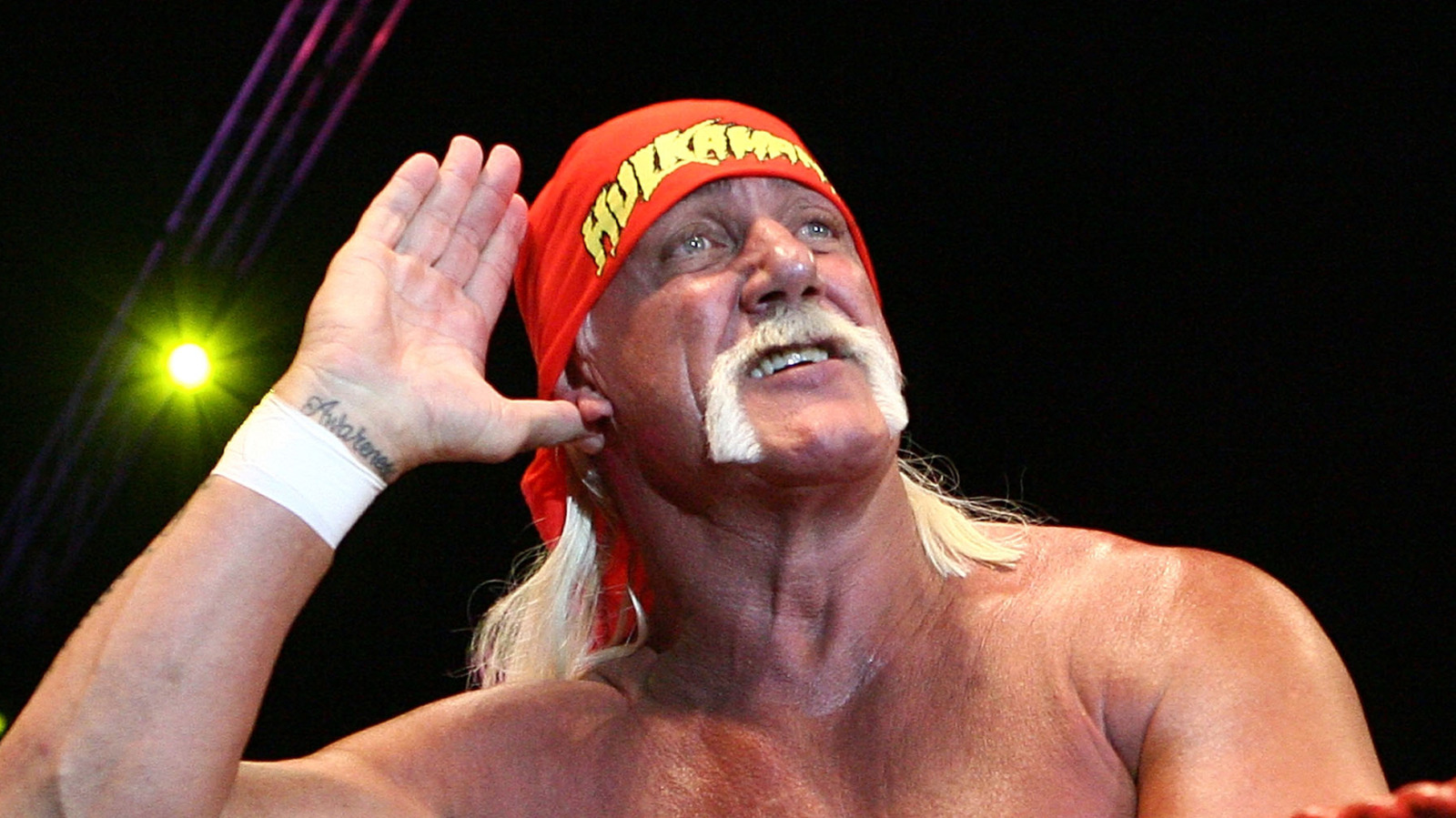
Some fans on the forums are arguing that this is exactly what we expected from a modern wrestling documentary. One Reddit user noted that watching the early career stuff feels like a nostalgia bomb that makes you forget the later years, until the documentary abruptly shifts focus. It is a classic move, but it feels hollow when you realize the darker chapters are treated like speed bumps. The production value is high, but the soul feels like it was traded in for a nod from the man himself.
The business of the Hogan brand
While everyone is busy dissecting the four episodes, the physical world keeps turning. We saw reports about the Slam Bar project in NYC, which feels like it has been in development since the dawn of time. If the documentary was meant to be a springboard for his lifestyle brand, it might be landing in some soft water. The hype for a themed bar in 2026 feels like a weird relic of an era that the documentary keeps trying to force back into relevance.
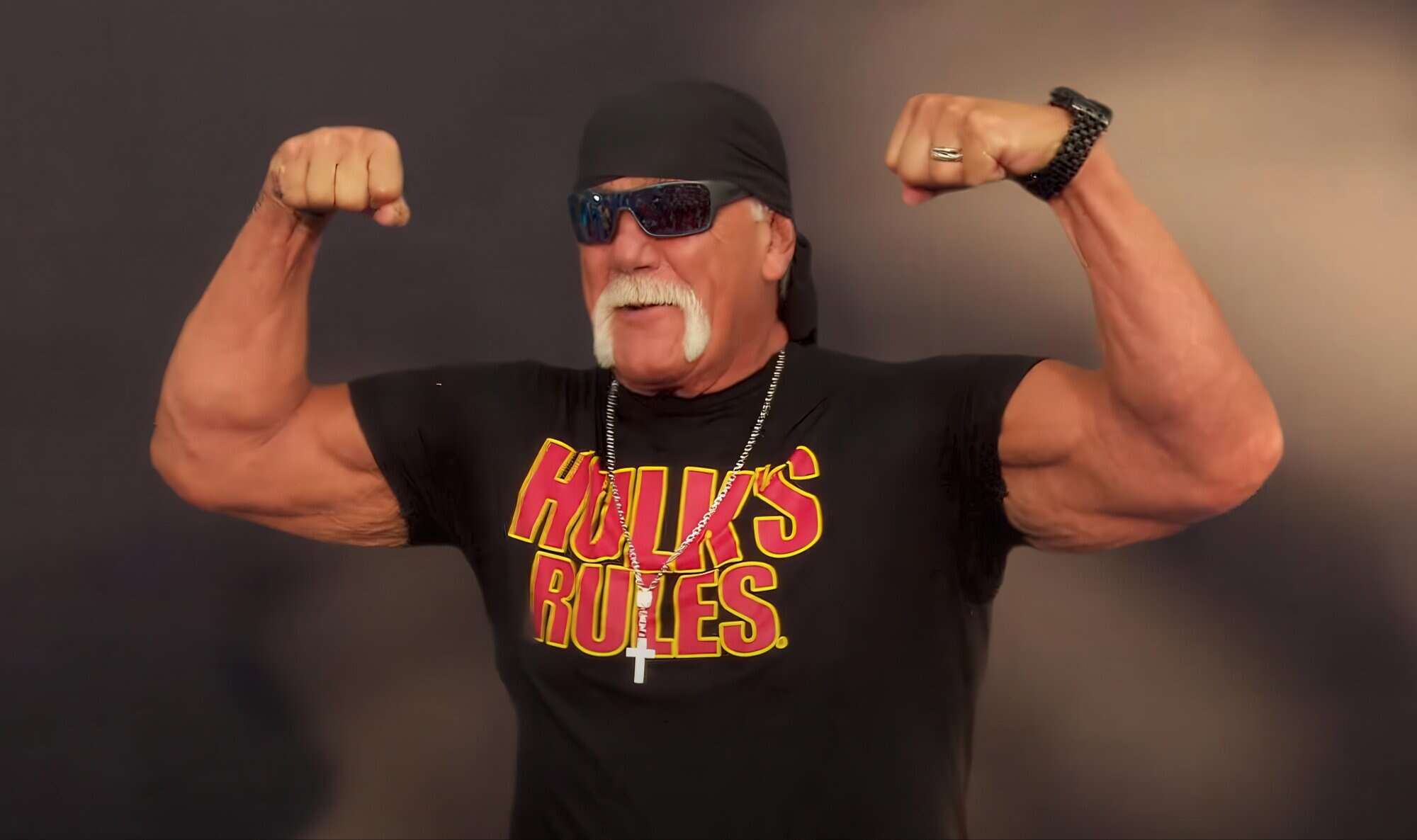
There is a segment of the fan base that finds the whole ordeal tedious. According to a recent analysis, the distinction between the wrestling icon and the real guy is thinner than a worn-out leg drop mat. The skeptics are pointing out that the documentary manages the impossible: it makes you remember why he was the face of the business while simultaneously reminding you why you stopped caring about his personal life decades ago.
Who won the argument?
If you ask me, the skeptics have the stronger hand here. This documentary is essentially a 4-hour infomercial dressed up in high-definition filters. It lacks the grit you see in other wrestling docs that actually hold the subject accountable. Yes, the footage of the 80s era is gold, but you could find that on a dusty YouTube channel without the spin.
The booking here was safe. It is the wrestling equivalent of a babyface holding a tie-up for way too long because they do not have a finisher prepared for the finish. We are looking at a project that could have been a deep dive into the evolution of sports entertainment icons, yet it chose to be a highlight reel with a soft-focus lens. The end result is a polished, shiny, and ultimately sanitized look at a man who spent his career thriving in the murky waters of kayfabe.
If we want real insight into the business, we need less involvement from the subjects themselves. Until then, these projects are just another part of the show. Enjoy the clips of him slamming giants, but keep your expectations for the interviews at zero. The real story remains trapped in the editing room, likely never to see the light of day.