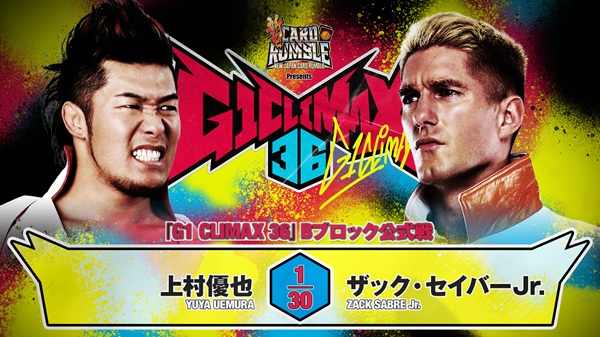
Tournament chaos in Hokkaido
The G1 Climax 36 hit a significant speed bump on July 19 in Hokkaido as physical attrition took hold of the New Japan Pro-Wrestling roster. Hard-hitting schedules have left the promotion adjusting block standings in real-time. High-profile performers are effectively being removed from contention due to acute injury concerns, creating a ripple effect across the block standings.
As PWInsider reported today, the medical situation at the Hokkaido venue forced immediate booking changes. NJPW officials are notoriously conservative with talent health during the G1, preferring to scratch a performer for a round-robin block match rather than risk a long-term hiatus. The result is a series of forfeit losses that alter the mathematics for every other participant in the A and B blocks.
The human cost of the G1
Recovery timelines for these specific injuries often range from three to six weeks depending on ligament involvement. Athletes experiencing Grade 1 or 2 sprains usually require immediate rest to prevent internal damage from progressing to surgery. The current trend marks a departure from smoother tournament runs in previous years.
History shows that when NJPW alters the G1 schedule, the tournament intensity drops slightly. Wrestlers often compensate for missing top-tier stars by extending their own match times, which leads to cumulative fatigue. This creates a feedback loop of exhaustion that historically threatens the quality of the finals in Ryogoku Kokugikan.
Strategic implications for the division
The absence of key players disrupts the traditional 'road to the main event' booking strategy. If a wrestler projected to reach the semi-finals is forced out, the company must pivot their entire creative narrative in less than 24 hours. Fans expect the 2026 iteration to be a display of resilience, but the sheer volume of medical interventions is a negative mark on NJPW's current conditioning protocols.
Competitors like Zack Sabre Jr. or Shingo Takagi now face increased pressure to carry the narrative weight of their respective blocks. Relying on fewer individuals to deliver 25-minute classics increases the probability of further exits. This is not purely an NJPW oversight; the modern style of independent and international work creates worn-down bodies before they even arrive for the G1.
The path forward for G1 36
Managing a roster of this size while maintaining a 19-day block schedule requires near-perfect physical maintenance. Critics point to the condensed travel between Sapporo, Osaka, and Tokyo as a catalyst for these setbacks. The travel fatigue is a constant variable that management consistently fails to mitigate effectively during the mid-summer months.
Bookers are now faced with the reality of 'filler' matches that do not advance the tournament story. With talent sidelined, the value of the remaining G1 tickets faces scrutiny. If the main events of upcoming shows lack the stakes provided by healthy, top-tier competitors, interest in the final week in August is projected to plateau.
For the audience, the next 48 hours will reveal the true severity of the situation. Expect NJPW to release a formal bulletin on which specific athletes will be scratched versus those merely 'resting' for future dates. The promotion has leaned on forfeit outcomes before, but doing so during the most important month of their calendar is a strategic risk that could alienate long-term viewers banking on specific dream matchups.
The current injury count currently sits at 4 participants entering specialized recovery protocols. Whether this number grows depends on the intensity of the upcoming shows in the A-Block. Management must prioritize athlete longevity over short-term tournament drama if they hope to avoid a crisis by the time the final bell rings in August.