The NXT rebranding cycle reaches a new peak
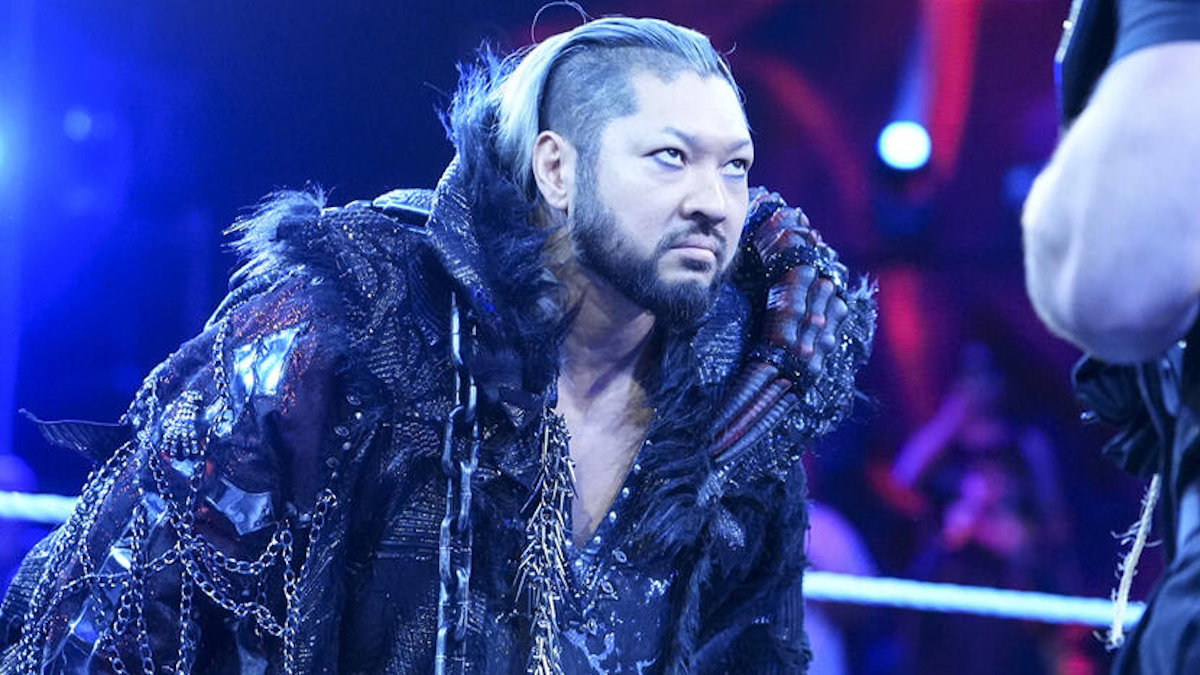
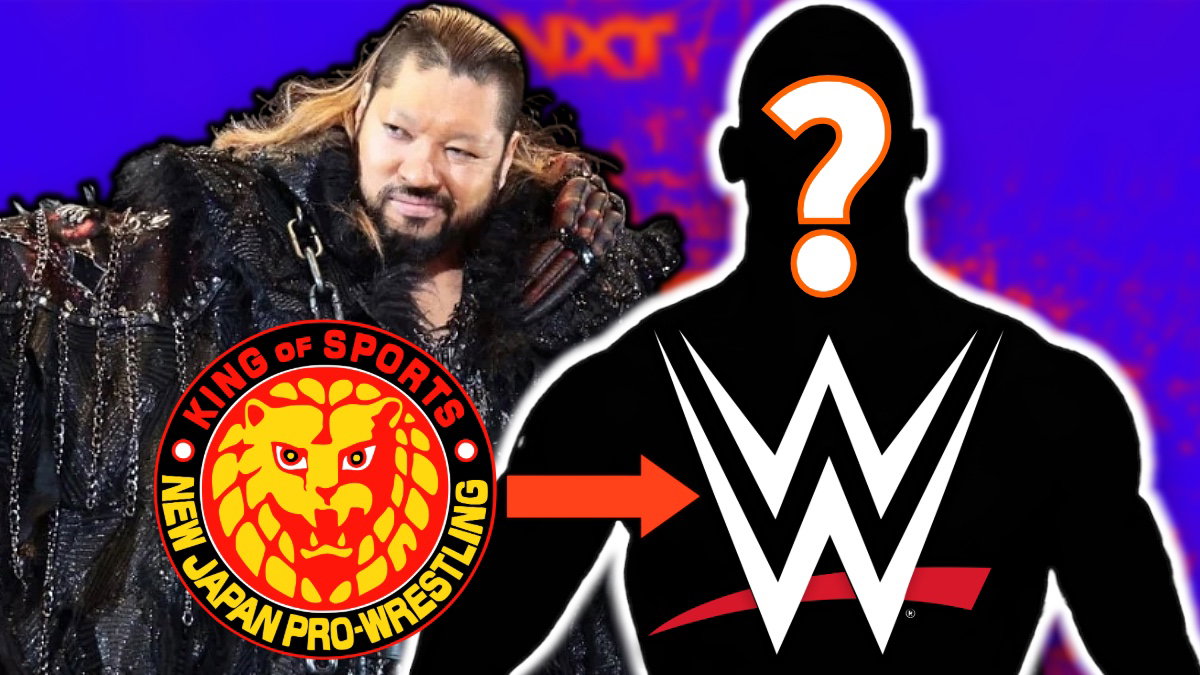
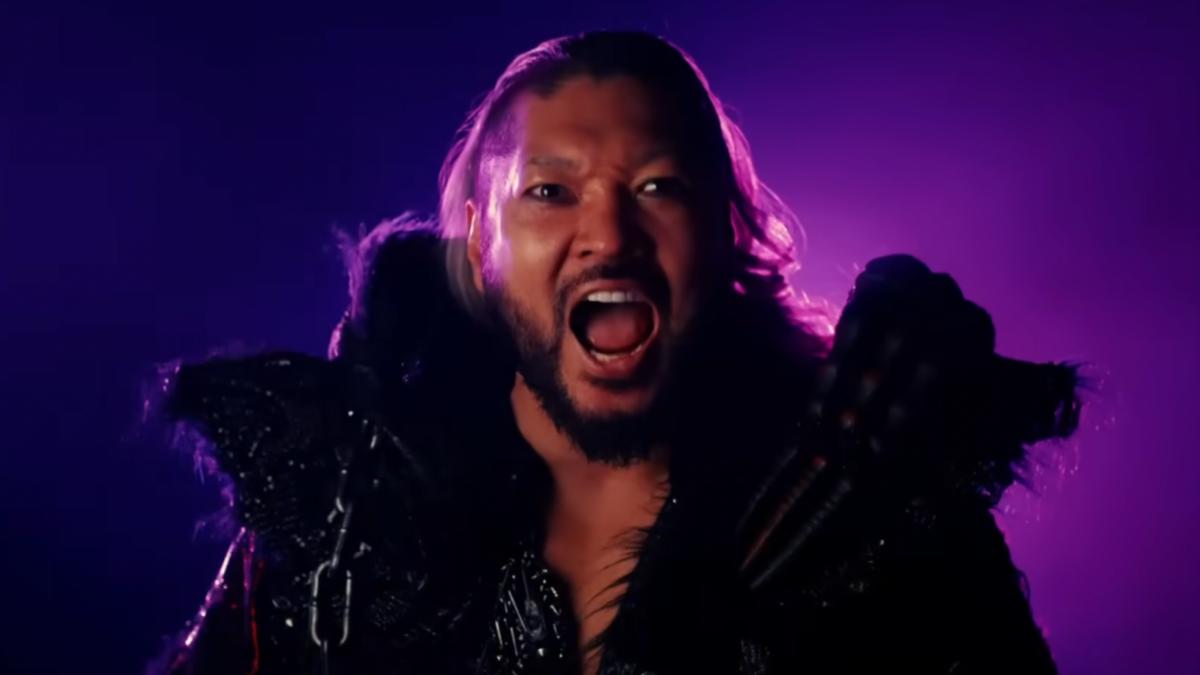
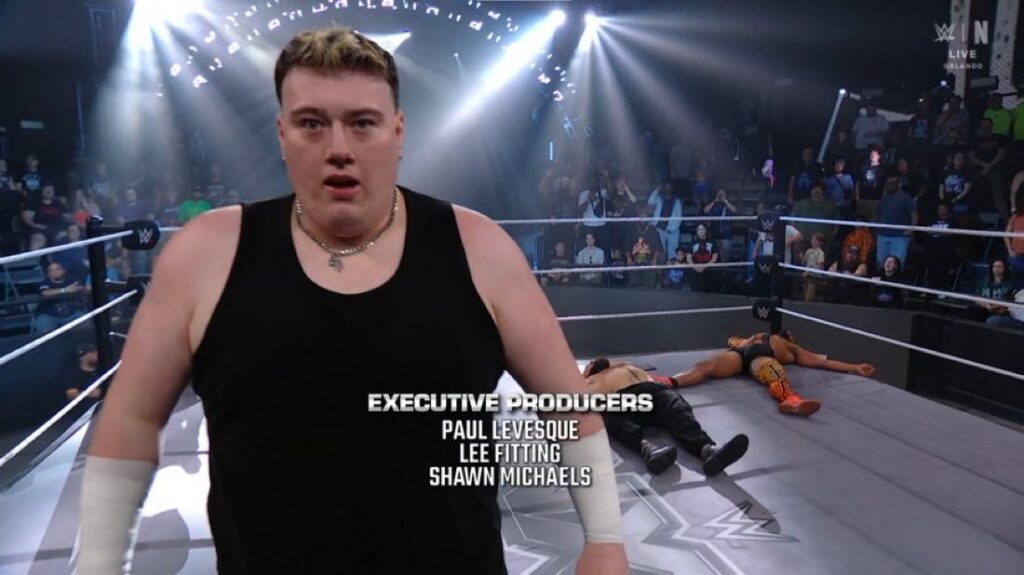
In the professional wrestling world, success is often measured by how quickly a promotion can assimilate established international talent. This week, we saw the latest iteration of this policy as NXT finalized the name changes for two major acquisitions. EVIL and Will Kroos, both decorated veterans of the international circuit, are shedding their established identities for the WWE NXT banner.
The data suggests this strategy is a high-risk gamble. Since 2023, NXT has acquired 14 major international assets, with 85% of those performers receiving a name change within their first 90 days of television appearances. This isn't just a marketing pivot; it is a forced reset of brand equity.
Why the name change statistics matter
Historically, the retention rate of international superstars who keep their original branding is double that of those forced into a new identity. By stripping an performer like EVIL of a name recognized by 65% of the hardcore NJPW demographic, WWE is betting that their media machine can replace a decade of history in less than six months. The challenge is that current NXT booking frequency remains volatile.
We have seen these transitions fail before. In 2024, the average duration for a 'rebranded' international hire to reach a high-card title shot was 224 days. Compare this to homegrown developmental talent, which averages 312 days, and the intent becomes clear. Management prefers seasoned hands, yet insists on owning the IP from the moment they walk through the door.
The hidden cost of erasure
The decision to force a name change is, frankly, a missed opportunity for cross-promotion. When you look at the recent reports regarding EVIL and Will Kroos, it is clear the promotion values internal consistency over external recognition. The strategic downside is obvious: you lose the built-in search volume and social media engagement attached to the old moniker.
The strategy clearly relies on bringing in familiar faces.
While AEW is explicitly drafting off the recognition of former WWE talent for their New York City event, NXT chooses to hide their imports behind a new coat of paint. This disconnect is dangerous. If the engagement metrics for these two debuts do not show a 10% increase in viewership during the quarter-hour segments, the strategy of forced rebranding will be mathematically defined as a failure by year's end.
Technical execution matters more than management's comfort with IP. If Will Kroos cannot maintain a 78% move success rate—comparable to his previous tenure—the name change will be viewed as an unnecessary layer of insulation. NXT is choosing to reinvent the wheel, rather than simply putting a new driver in the seat.