The Weight of Summer Traditions and Failed Experiments
July 25 serves as an anchor in the wrestling calendar, a day where the industry has frequently attempted to bridge the gap between signature pay-per-view events and the quiet reality of late-July television. History reveals a pattern where promoters gamble on experimental formats during these dog days, yielding both brilliant innovation and regrettable disasters. We look back through the archives to understand how these mid-summer days shaped the paths of icons and the trajectory of promotions now lost to time.
The 1983 NWA Mid-Atlantic Gamble
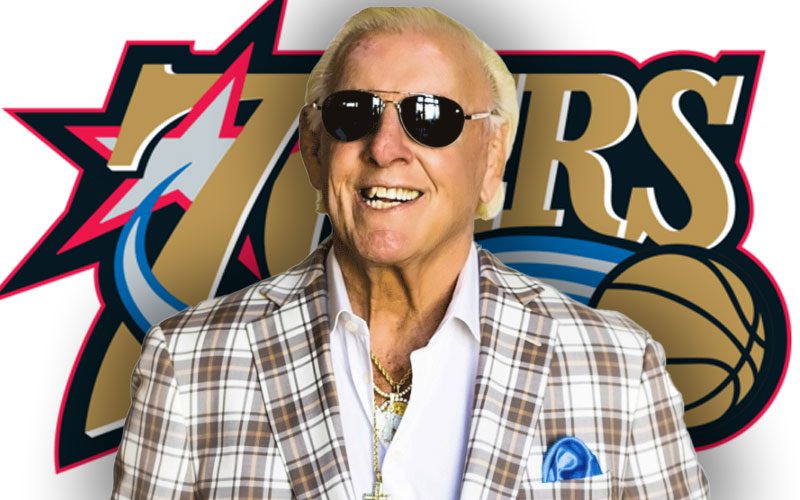
On July 25, 1983, a massive show at the Greensboro Coliseum highlighted the NWA's absolute dominance in the Carolinas. Ric Flair and Harley Race collided in a display of technical psychology that defined an entire generation of Southern wrestling. Many fans forget that this event required near-militant cooperation between bookers and promoters to maintain the prestige of the NWA title. The stakes were nothing less than the regional territorial hierarchy of the United States.
The 1994 ECW Arena Chaos
In 1994, Paul Heyman held a night of intense action at the ECW Arena that signaled a departure from the traditional NWA style. Sabu and Terry Funk engaged in a chaotic fray that pushed the limits of regional broadcast standards. The match ended in a bizarre double-countout after interference, serving as a reminder that even the most innovative promotions often struggled with endings on live cards. This was the raw, unpolished grit that would eventually define the nineties.
The 1999 Fully Loaded Aftermath
July 25, 1999, saw the fallout from one of the most commercially dense periods in WWF history. Just one night after Fully Loaded, the roster was stretched thin following the Steve Austin and Undertaker First Blood main event. The television taping focused on re-establishing the mid-card talent to survive the grueling weekly grind of the Monday Night War. It exposed the fatigue of a roster forced to perform at an unsustainable pace.
The 2005 Return to The Great American Bash
By July 25, 2005, the WWE had firmly cemented the brand extension as a fixture of their business model. The aftermath of the Great American Bash pay-per-view showcased a roster trying to handle the transition of established stars like Batista and John Cena. This period is often criticized for becoming overly reliant on cinematic vignettes rather than pure in-ring chemistry. It demonstrated a shift toward production value that occasionally suffocated the spontaneity of the product.
The 2011 Summer of Punk Extension
July 25, 2011, provided one of the few moments where the WWE felt like a genuine, volatile entity. CM Punk returned to television with his own version of the WWE Championship, setting up an immediate conflict with John Cena. The energy in the building was frantic, as the company tried to capitalize on the buzz generated by the Money in the Bank bridge. This era remains a complex study in how to handle a organic fan uprising, often cited for its missed opportunities in long-term booking.
The 2016 WWE Draft Consequences
Exactly ten years after the mid-2000s expansion efforts, July 25, 2016, marked the first night of the brand extension following the draft. The debut of the Universal Championship felt like a desperate attempt to create parity with the SmackDown brand. Critics pointed to the confusing belt designs and the rapid separation of title lineages as a sign of management panic. It forced the audience to track two distinct products, a challenge that consistently hampered the show flow for years.
The 2022 Triple H Era Commences
July 25, 2022, represents a genuine pivot point in modern industry history. Following the sudden retirement of long-time creative authority, Triple H assumed control of WWE creative operations the very same day. The immediate tone shift in the Monday night broadcast was clear to anyone paying attention. The focus tilted back toward distinct match structures and the inclusion of talent previously deemed surplus to requirements. It remains a fascinating case study in how quickly a major organization can alter its public identity.
Reflections on the Cycle
These dates prove that July is rarely about the start of anything grand, but rather the hard work of maintenance. Whether it is a talent reshuffle or a shift in the creative direction of a major company, the mid-summer serves to separate the efficient from the overwhelmed. We have seen promoters gamble on these dates, occasionally finding gold, but more often navigating the slow churn of a difficult industry. As history repeats itself, it is worth remembering the failures of 2005 as much as the momentum shifts of 2022.
Read Next