The gamble behind the broadcast booth
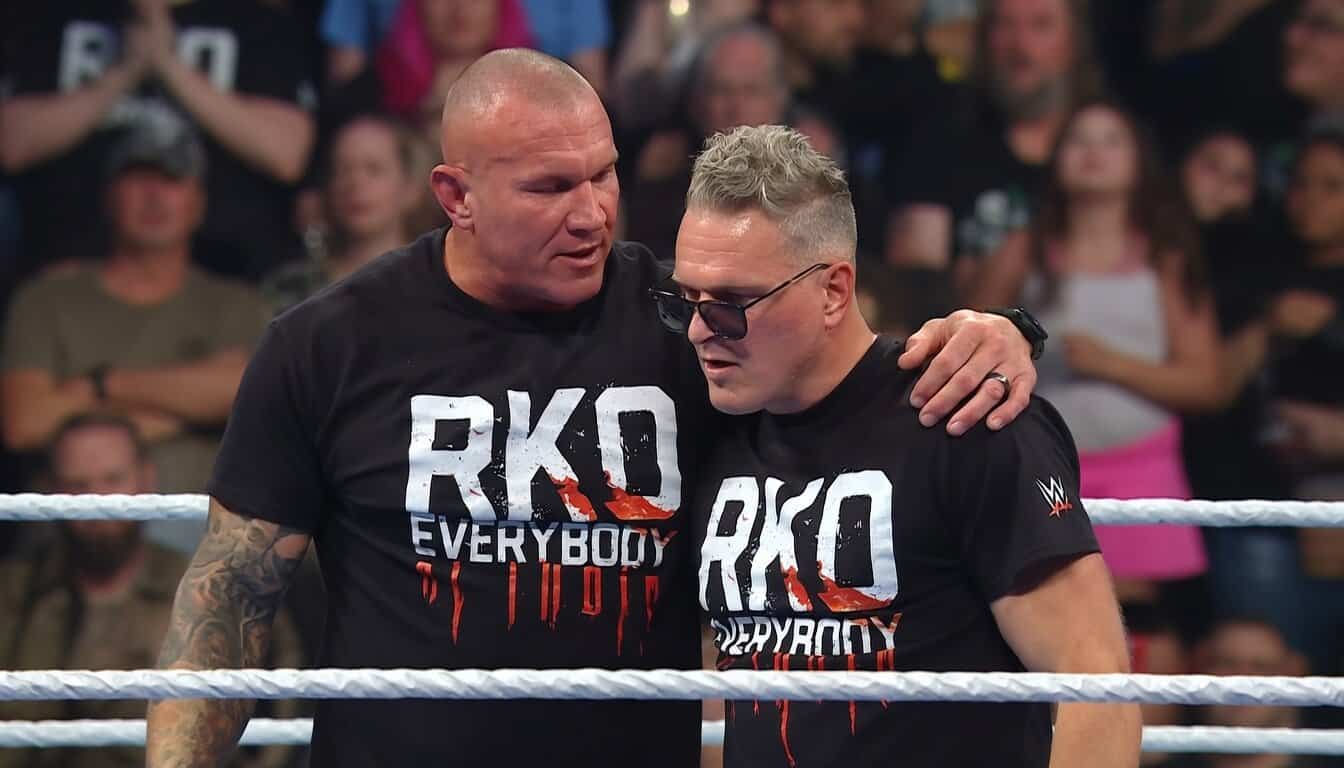
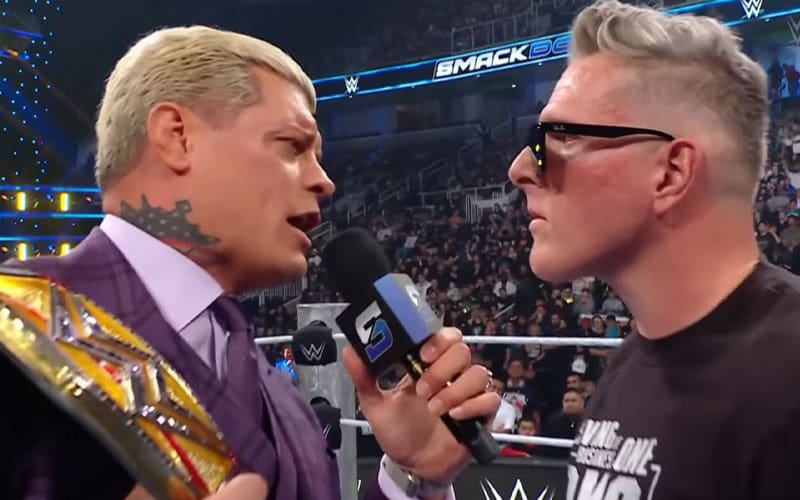
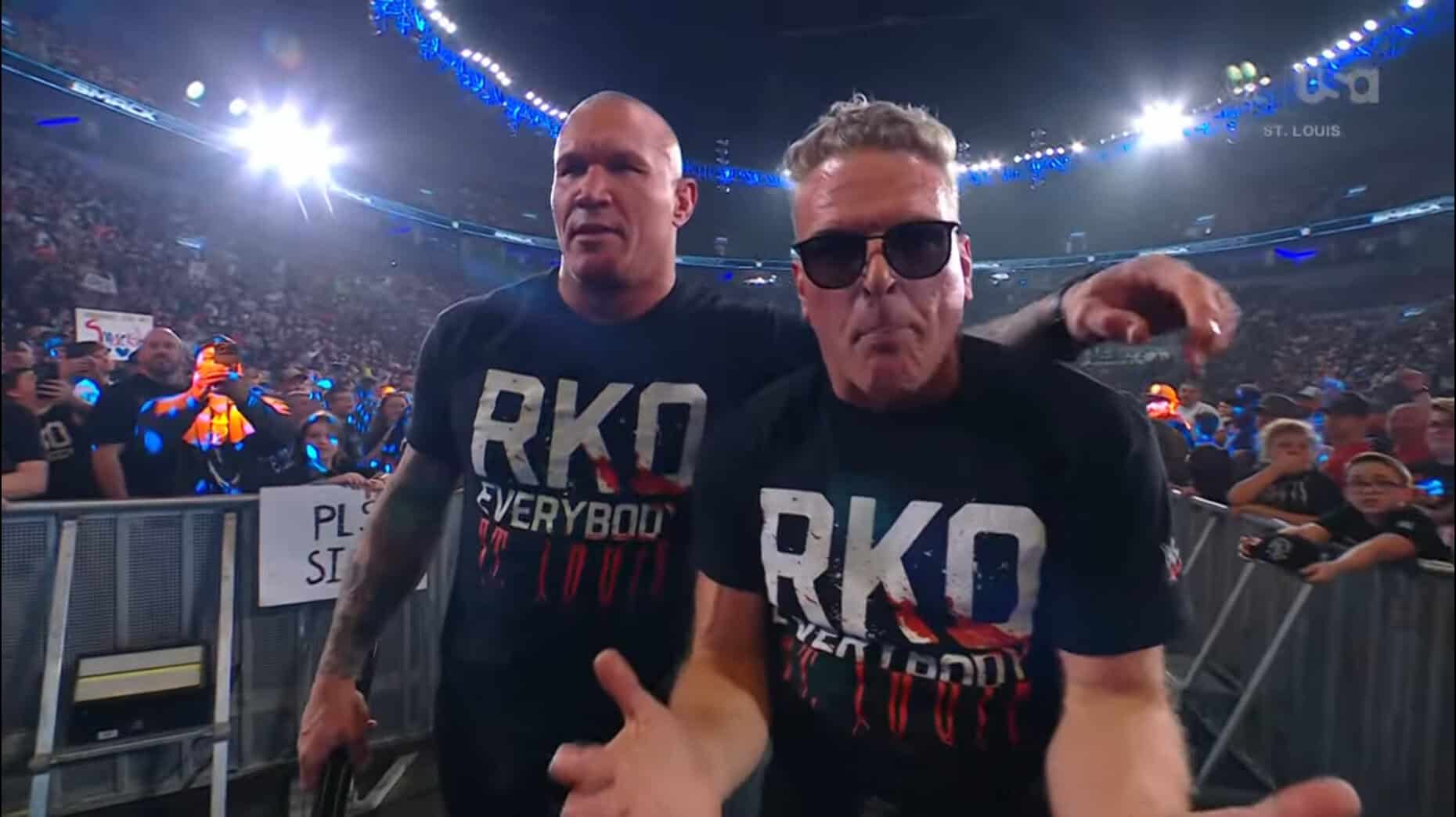
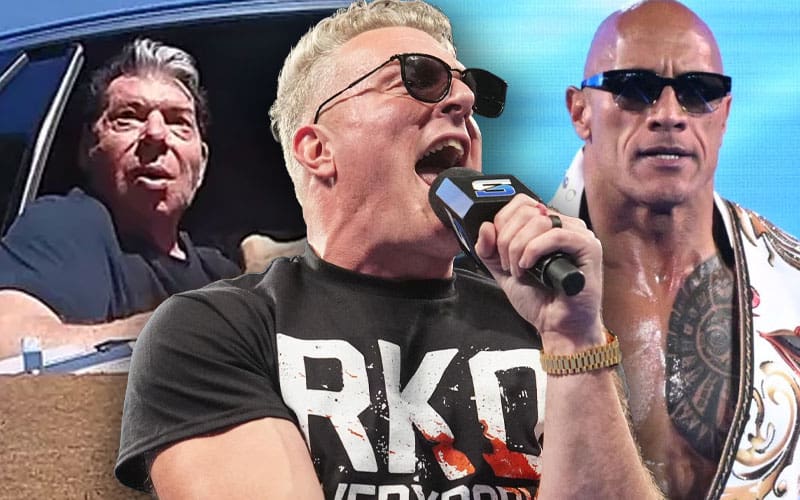
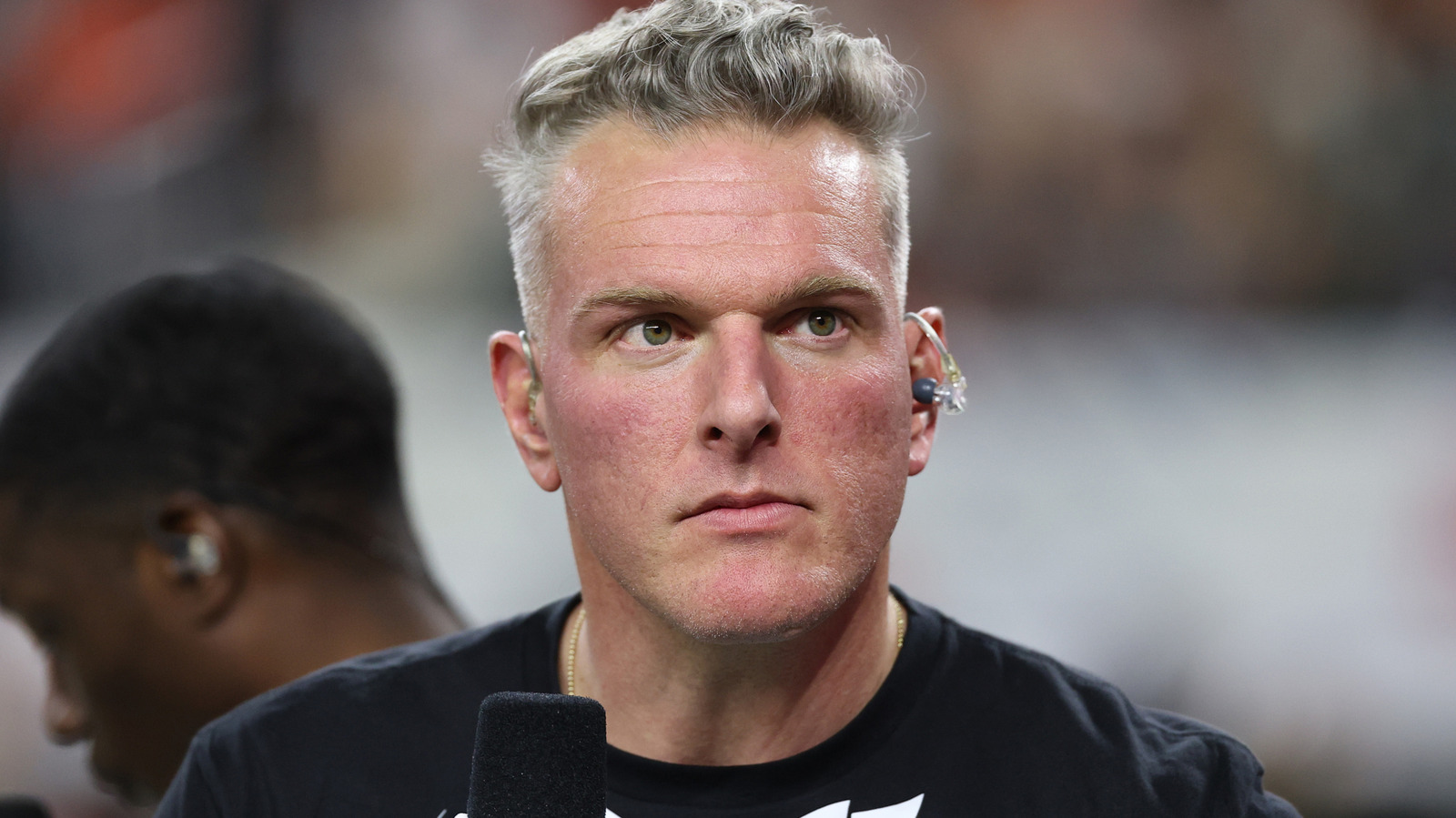
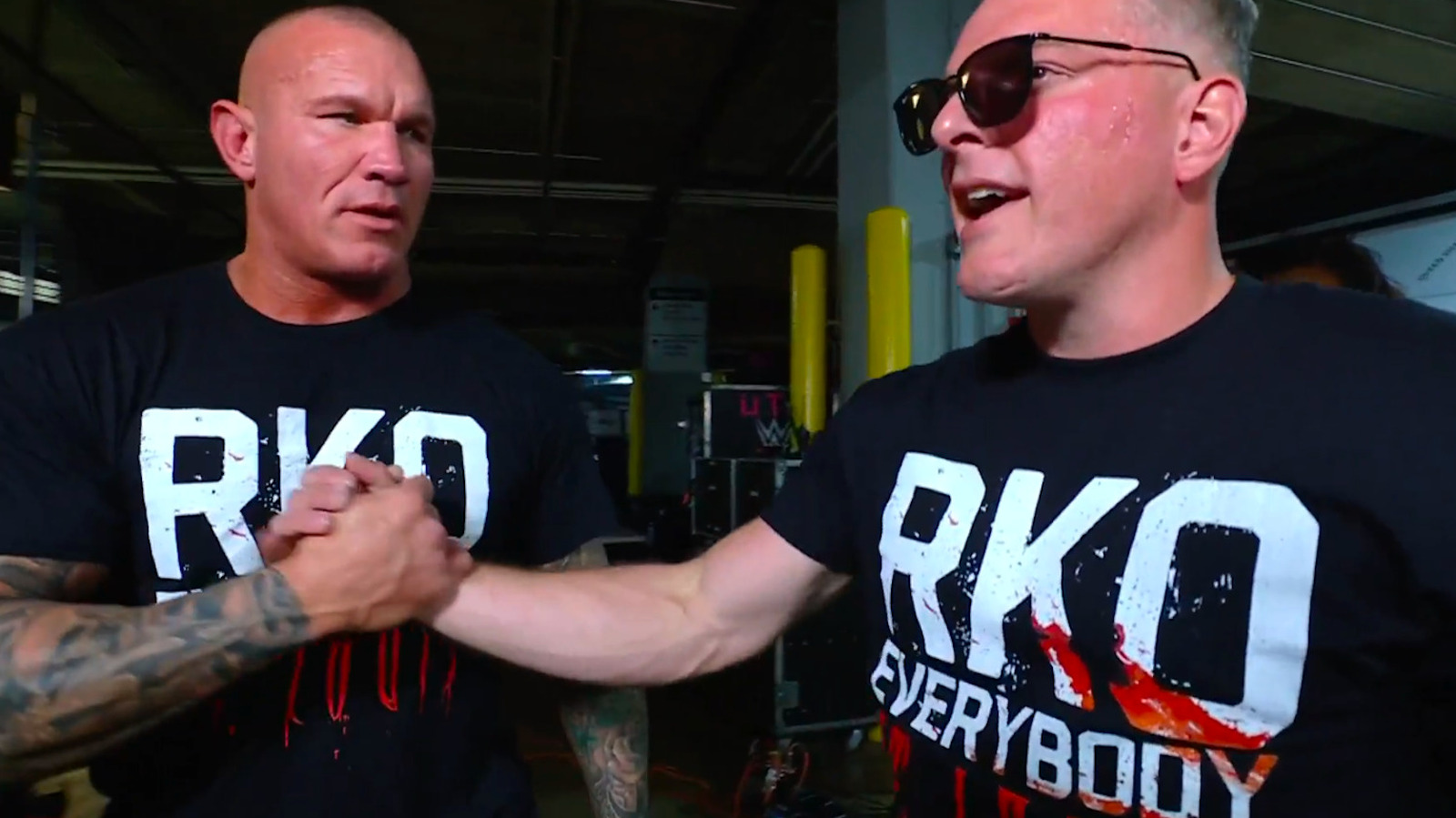
Pat McAfee has drawn a line in the sand ahead of WrestleMania 41. In an unexpected turn of events, the color commentator revealed he has been the mysterious confidant Randy Orton has been consulting for weeks. The stakes, however, have reached a point where McAfee is now betting his career on The Viper.
McAfee explicitly stated during his latest broadcast window that his tenure in wrestling television is tied to Orton's performance in Las Vegas. If Orton loses his scheduled bout on the grand stage, McAfee intends to walk away from the microphone permanently. This isn't a standard promo move designed to juice a rating; it is a calculated risk that shifts the narrative weight onto a single pinfall.
If Randy Orton loses at WWE WrestleMania, I'll leave wrestling TV forever.
Contextualizing the influence
The relationship between McAfee and Orton has been quiet but consistent. While fans speculated about potential returning legends or corporate interference, the reality was simpler: a high-profile athlete with a massive media footprint backing one of the industry's most storied veterans. McAfee has provided the analytical pivot point for Orton's recent character shifts.
This ultimatum creates an immediate problem for the creative team. If the company opts for a storyline defeat for Orton, they essentially write out one of their most valuable utility players in McAfee. It places WWE in a corner where the finish of the match is no longer just about the feud, but the viability of a lead commentator who bridges the gap between sports and entertainment.
The weight of the WrestleMania window
We are just 15 days out from the show in Las Vegas, and the roster is already battered. As noted in recent reporting on the company's injury situation, the medical teams at the Performance Center are currently running at capacity. Introducing a "retire or continue" angle for a commentator on top of these health concerns is a aggressive move.
It highlights a growing disconnect between physical reality and narrative stakes. While Orton is a top-tier performer, his injury history is well-documented. Expecting a flawless performance to justify a career-ending stipulation is a heavy ask, especially when previous segments regarding medical clearance show that nothing is guaranteed for the talent until the final bell rings in Nevada.
Critical blowback on booking stakes
The decision to tie a commentator's career to a wrestling result is a desperate tactic. It telegraphs the outcome rather than building genuine drama. If Orton wins, the threat loses its teeth; if he loses, the company is forced into an unnecessary talent departure because of an arbitrary deadline set by a personality.
This feels like a relic of the mid-2000s booking philosophy where every match needed a "career-ending" or "stipulation-heavy" weight to be deemed important. In 2026, the audience recognizes these maneuvers as artificial tension. Rather than leaning on the genuine athletic friction between two elite performers, this creates a distraction that puts the attention on the announcer's status instead of the match itself.
McAfee has thrived on his ability to blend unfiltered commentary with genuine enthusiasm. By placing his personal career on the line, he shifts the focus away from the opponent, who is now playing the role of a gatekeeper for McAfee's employment rather than a threat to a championship or a legendary streak. It is a confusing choice that minimizes the competitive spirit that should define WrestleMania.
Ultimately, WWE is gambling on fan engagement over narrative logic. If the match ends in a disqualification or a dusty finish, the stipulation remains unresolved, leaving a dark cloud over the booth. The outcome on April 19 or 20 needs to be decisive, or the fallout will be a total mess for the production team. For a show that relies on a final tally of marquee matches to drive revenue, this is a distraction they could have easily avoided with a stronger build centered on the fight, not the mic-time.