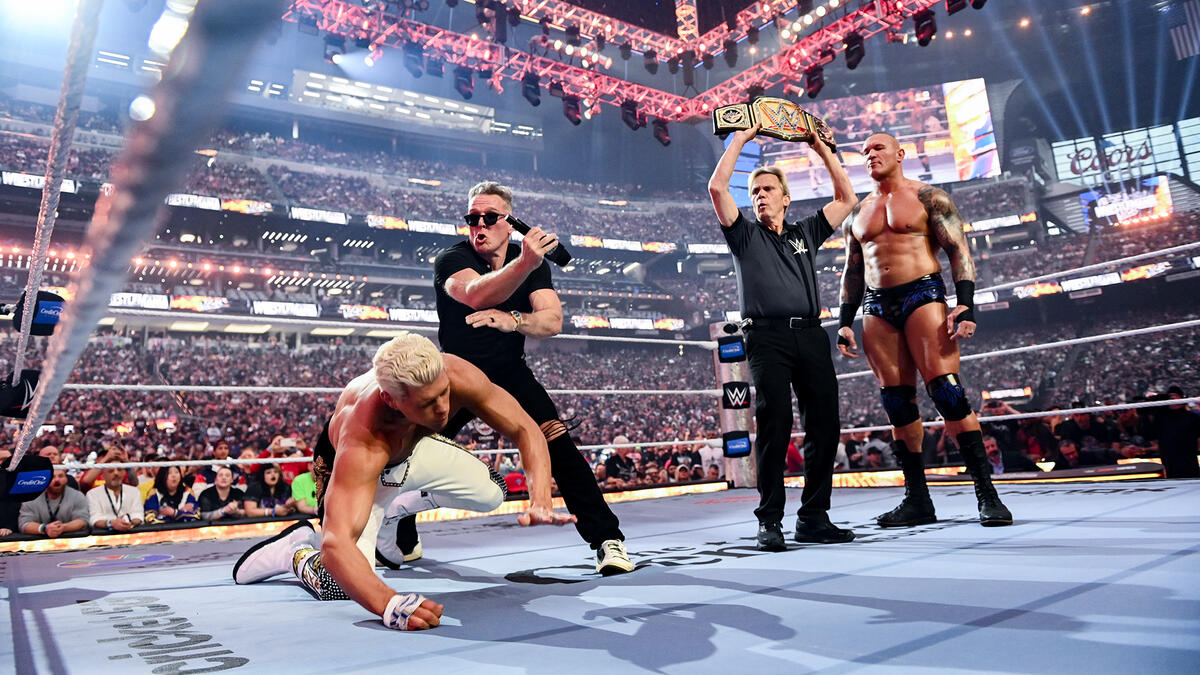
The focus shifts to sports media
Pat McAfee is reportedly finalizing a substantial new deal with ESPN, a shift that signals a near-total move away from his active role within WWE. Various industry outlets, including F4WOnline, have confirmed that the former NFL punter is prioritizing his broadcasting duties over the physical toll and travel requirements of professional wrestling.
This transition follows a period where McAfee balanced a high-intensity media schedule with sporadic, high-profile appearances at major events. He has moved from being a permanent fixture on the commentary desk to the sidelines, and now, it appears he is exiting the ring entirely. The move is logical for someone whose media profile has eclipsed his niche wrestling utility.
Contract scope and financial stakes
Multiple sources indicate that the negotiations involve a compensation package approaching $60 million, a figure that highlights his value as a multimedia broadcaster rather than a personality tied to a single promotion. Ringside News first reported that these discussions are in the advanced stages. This aligns with his broader goal of securing his financial future through long-term corporate partnerships.
For WWE, his departure feels inevitable given the constraints of his primary employer. While McAfee provided genuine energy on broadcasts, his lack of technical training always left him vulnerable during high-stakes segments. He often relied on crowd interaction to mask gaps in his performance floor, which became increasingly difficult to sustain as his ESPN workload demanded more prep time.
The creative impact of the exit
In wrestling terms, losing McAfee leaves a void in the booth. His commentary style was polarizing—some fans found his enthusiasm infectious, while others argued it frequently overshadowed the action in the ring. Critics will point to his tendency to scream over pivotal moments, often burying the subtle psychology of a match under performative yelling.
With PWInsider reporting on his trajectory, it is clear that retirement from the ring represents a calculated decision to avoid the injury risks inherent in episodic wrestling. His last appearances displayed the classic signs of a talent exiting: less frequency, lower physical investment, and a clearer pivot toward his outside ventures. He is choosing longevity on television over the chaos of an apron bump.
Operational assessment
The deal appears highly probable, bordering on certainty. ESPN has clear incentive to lock him in as they prepare for a frantic sports summer, and McAfee has zero incentive to prioritize wrestling at the expense of a massive, multi-year media contract. The financial discrepancy between a mid-card WWE attraction and a featured national broadcaster is too significant to ignore.
Expect an official announcement soon. Once the ink dries on his ESPN extension, any lingering ambiguity regarding his WWE status will vanish. He leaves behind a legacy of high-budget vignettes and sporadic brawls, but he exits before he becomes a liability to the current booking strategy.
The loss will be felt most by those who enjoyed his casual, fan-centric commentary style. However, the promotion gains stability by removing a talent who was never fundamentally a wrestler. WWE needs consistent broadcast voices who are tied to the road, not personalities who moonlight between massive media commitments. This split serves both parties reasonably well.