
Paul Levesque has steered WWE past the era of boardroom stagnation
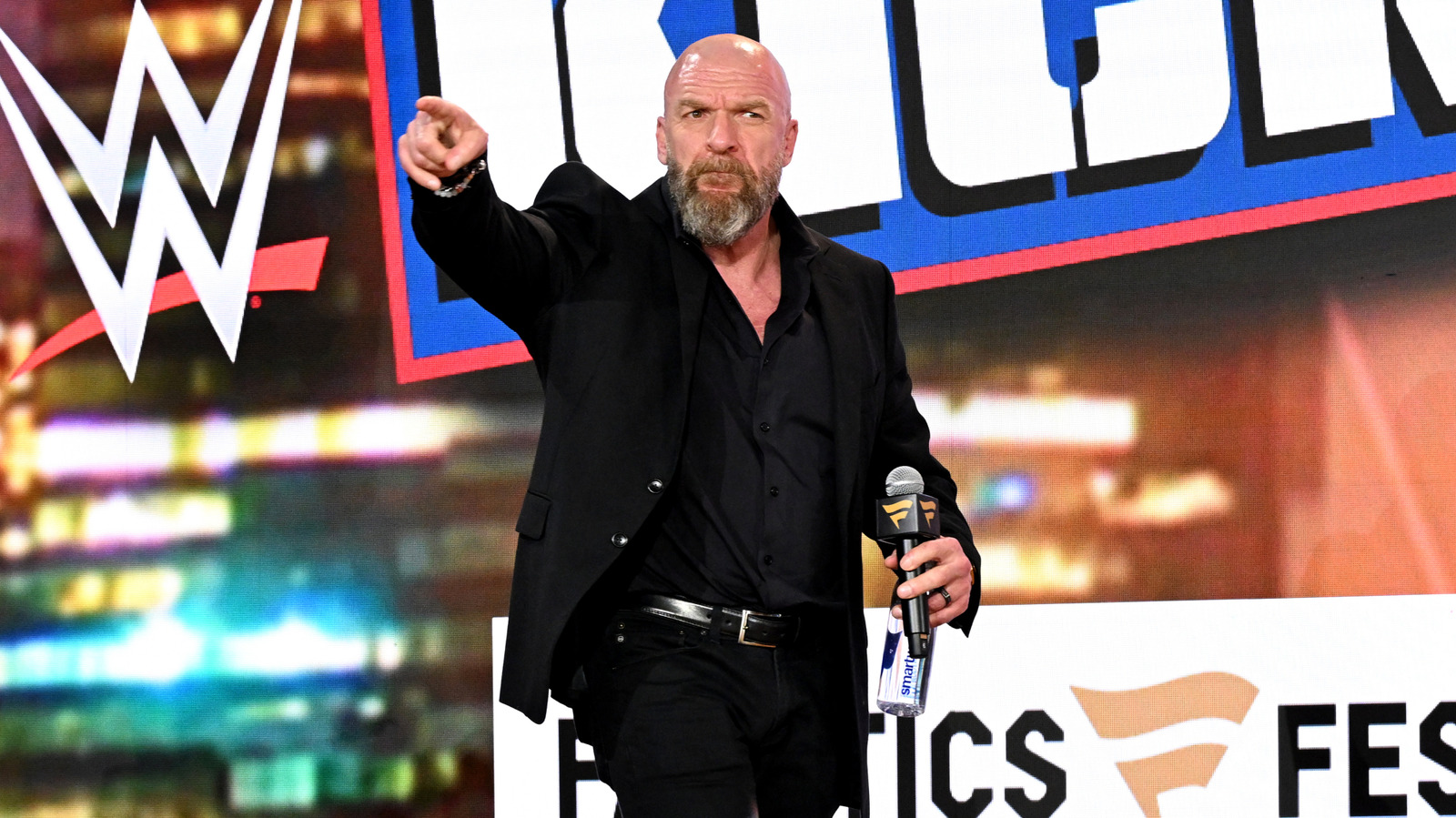
The transition from the old guard to the modern regime
For decades, the inner workings of WWE creative were dictated by a singular, often immovable vision. That era has reached a definitive conclusion. With Paul Levesque moving into his role as Chief Content Officer, the stylistic shift in how matches are produced is no longer a talking point but an established reality.
We are seeing this in the pacing of main event segments and the emphasis on long-term narrative loops rather than week-to-week improvisation. Even former executives, including those who operated under the previous administration, have publicly acknowledged this evolution. During a recent livestream via Signed By Superstars, John Laurinaitis noted his belief that Levesque is doing a great job at the helm.
Tactical inconsistencies in the current structure
Recognition from industry veterans carries weight, but a professional wrestling promotion is defined by its execution under pressure. While the television production has streamlined, the booking of the mid-card frequently suffers from an identity crisis. We often see high-workrate performers relegated to non-finishes simply to protect records that no one is tracking.
The reliance on the dusty finish during television broadcasts is a regression to 2012-era booking tropes. When a match between two tier-one athletes ends in a double count-out at the 14-minute mark, it serves no long-term utility. It stunts momentum and forces the writing team to manufacture heat that should have been generated by a clean pinfall or submission. This is where Levesque's creative process leaves room for skepticism.
The move toward in-ring technicality
Critics of the previous administration argued for years that the product lacked consistent logic. Under the current direction, we see a more deliberate approach to match construction. Wrestlers are utilizing rest holds to actually sell exhaustion rather than using them to fill three minutes of television time. This isn't just about presentation; it is about the physics of the sport.
When a performer hits a signature maneuver, we now see meaningful transition sequences. A rolling elbow is followed by a calculated strike combination, not just a frantic scramble to the corner. This tactical discipline mirrors the shift toward shorter, more impactful television windows. The focus is on maximizing the efficiency of every minute spent on camera.
The challenge of narrative maintenance
Despite the praise, the company faces a significant hurdle regarding roster bloat. Even with a sharp focus on main event storylines, there are segments of the card that feel driftless. When you look at the weekly distribution of television time, roughly 30 percent of the roster is effectively stagnant, trapped in holding patterns that lack clear stakes.
A promotion cannot thrive on stellar main events alone if the foundational pieces are eroding. The creative team must resolve these gaps in the undercard before the end of the fiscal year. They have the pieces in place to build a balanced product, but efficiency must apply to the entire roster, not just the marquee attractions. If Levesque wants to cement his legacy, he must stop the reliance on safe, repetitive finishes in the midweek slots.
WWE Elite Collection Series 110 Roman Reigns Action Figure
Acknowledge your Tribal Chief with this incredibly detailed action figure.
Frequently Asked Questions
What is Paul Levesque's current title in WWE?
How has the approach to match construction changed?
What issues remain with the current WWE booking style?
What criticism does the article highlight regarding the roster?
How do industry veterans view Levesque's creative leadership?
More Coverage
WWE Raw's Netflix ratings are stalling
2 hours ago
CM Punk’s physique update is the least interesting thing about his return
3 hours ago
Top 10: Defining Moments of the 2026 Wrestling Calendar
3 hours ago
Hacksaw Jim Duggan and the commercialization of wrestling nostalgia
4 hours ago
WWE's Night of Champions pivot smells like a creative disaster
4 hours ago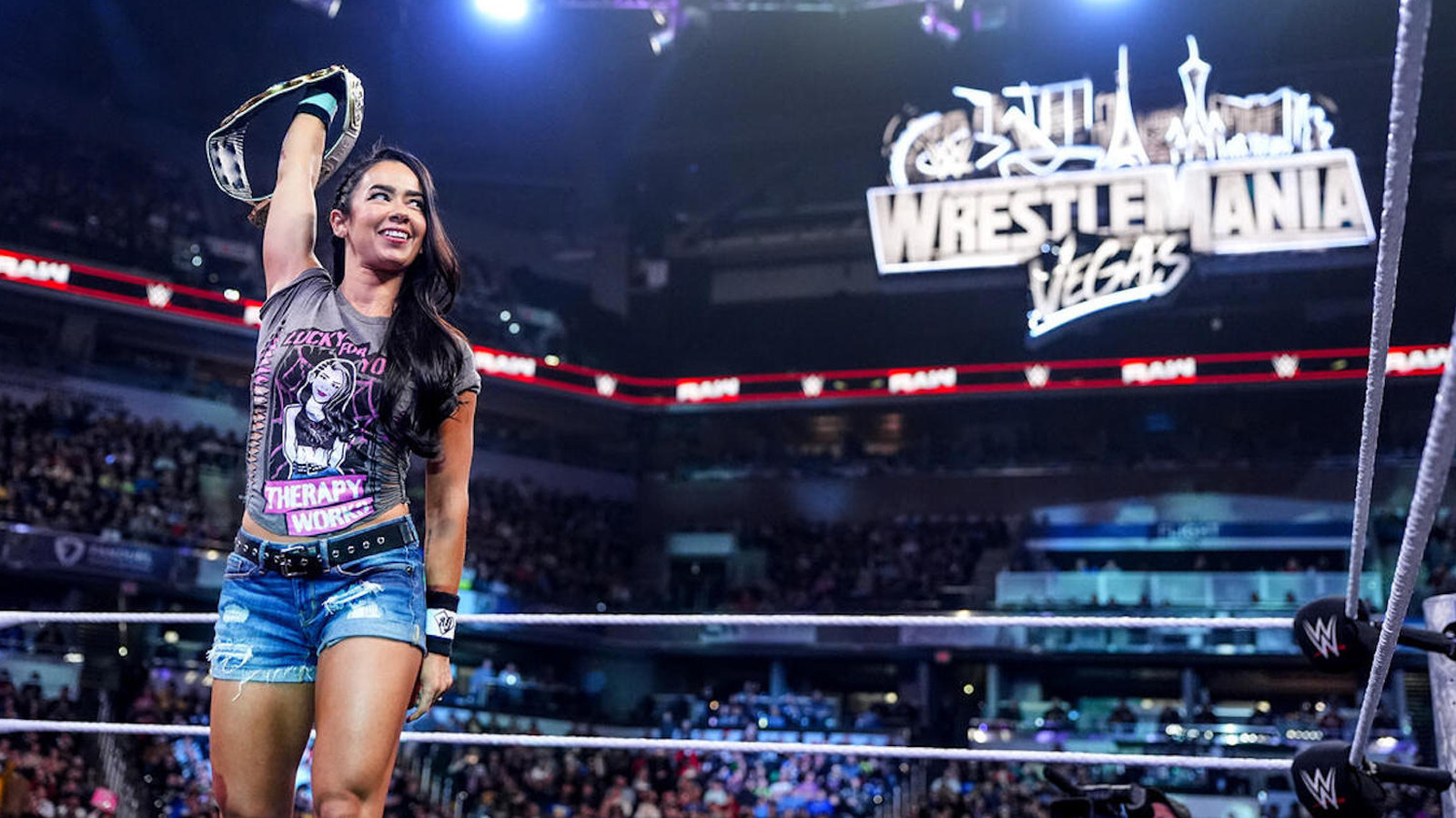
AJ Lee returning to WWE was never going to be easy
5 hours agoMore Analysis
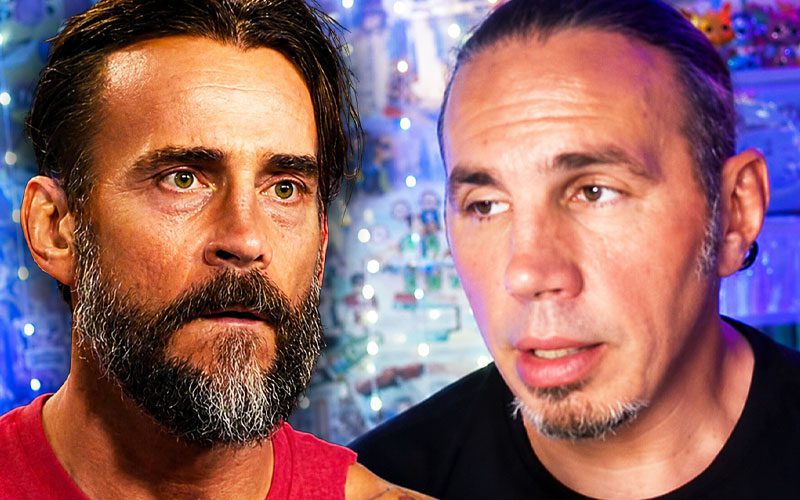
Matt Hardy pulls the curtain back on the CM Punk AEW circus
2 hours ago
WWE Raw's Netflix ratings are stalling
2 hours agoBroken ribs sideline standout as medical staff hits the reset button
2 hours ago
Amazing Red is back and TNA is playing for keeps
3 hours ago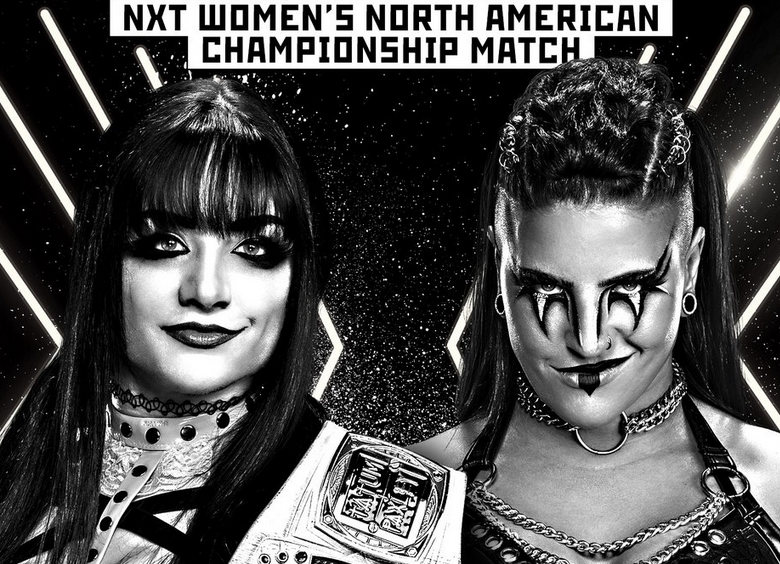
TNA is scrambling for Slammiversary and the booking shows the panic
3 hours ago