
Paul Walter Hauser is the heel Roman Reigns actually deserves

The blurring line between kayfabe and celebrity critique
Professional wrestling thrives on the friction between reality and performance. Paul Walter Hauser, an actor known for roles in I, Tonya and Richard Jewell, recently took a swing at Roman Reigns regarding a White House event involving the UFC. While fans often dismiss celebrity cameos as promotional fluff, Hauser’s critique cut deeper than most.
Hauser didn't attack Reigns for his wrestling ability. He attacked him for his proximity to power. When Reigns appeared at the White House for a UFC gathering, it signaled a shift in how WWE talent interacts with political machinery. Hauser read the room differently, framing the choice as an unnecessary co-signing of optics that felt out of place for a character built on tribal sovereignty.
This isn't a simple case of a fan getting worked. Hauser understands the business of presentation. By challenging the Tribal Chief, he effectively inserted himself into a narrative that Reigns has spent years insulating from outside criticism. It creates an interesting dynamic where the prestige of the WWE name meets the harsh glare of public scrutiny.
The cost of moving beyond the wrestling bubble
Roman Reigns has spent the last half-decade cementing himself as the central figure of the industry. His run has been defined by a total monopoly on the main event scene. Occasionally, however, the sheen of that dominance gets scuffed by events that have nothing to do with a spear or a guillotine choke.
As Ringside News reported, Hauser’s frustration was rooted in the specific optics of the UFC meeting. For a wrestling fan, this provides a rare moment of tension that wasn't scripted in a writers' room. It forces a reaction from the Bloodline narrative that feels authentic, even if the talent involved would rather keep things to the ring.
We have seen these collisions before, but rarely with a critic who can hold his own in a press cycle. Hauser isn't just reciting lines; he is questioning the brand alignment. When the biggest star in the industry steps into a non-wrestling arena, the protective layer of kayfabe vanishes. That is when the real risk begins.
Missing the mark on the modern audience
The decision to lean into high-profile, non-wrestling events is a calculated bet. WWE management clearly believes that exposure in D.C. validates their product as mainstream entertainment. Yet, the disconnect here is visible. By hitching themselves to polarizing political institutions, they alienate viewers who treat wrestling as their escape, not their morning news update.
Reigns is undoubtedly the best worker in the world. He proved that throughout his record-breaking run, often maintaining a 95% hit rate on pay-per-view match quality. However, even the best talent cannot control how their persona is perceived once they step off the mat. Hauser’s critique is a symptom of a larger issue: the refusal to recognize that fans and critics are watching the off-screen behavior just as closely as the move-sets.
If the plan is to continue integrating the brand into broader political spheres, the company needs better handlers. A star as large as Reigns deserves more than to be caught in the crossfire of a public relations headache. If they cannot manage the message, they will continue to see their biggest names dragged into irrelevant skirmishes that do nothing to help the actual product.
Maybe it is time to focus less on the photo-ops and more on the storytelling. After all, the best heels know when to stay in character and when the mask is slipping. Right now, the mask is slipping, and the audience sees the seams.
Read Next
- Sean Strickland fallout leaves UFC Freedom 250 with a PR headache
- WWE and UFC hanging out in DC is the weirdest timeline
- UFC Freedom 250 proves the lines between fight sports are blurring
- Eddie Andelman deserves his flowers for the King of the Ring
- 🏆 WrestleMania 41 — Full Coverage Hub
- 💥 WWE Backlash 2026 — Full Coverage Hub
- 👑 Roman Reigns Return 2026 — The Tribal Chief
WWE Elite Collection Series 110 Roman Reigns Action Figure
Acknowledge your Tribal Chief with this incredibly detailed action figure.
Frequently Asked Questions
What prompted Paul Walter Hauser's criticism of Roman Reigns?
How did Hauser view Roman Reigns' presence at the White House?
Why does Hauser's critique matter for the Bloodline narrative?
What is the primary risk of WWE talent attending non-wrestling events?
How does WWE justify its participation in high-profile political events?
More Coverage
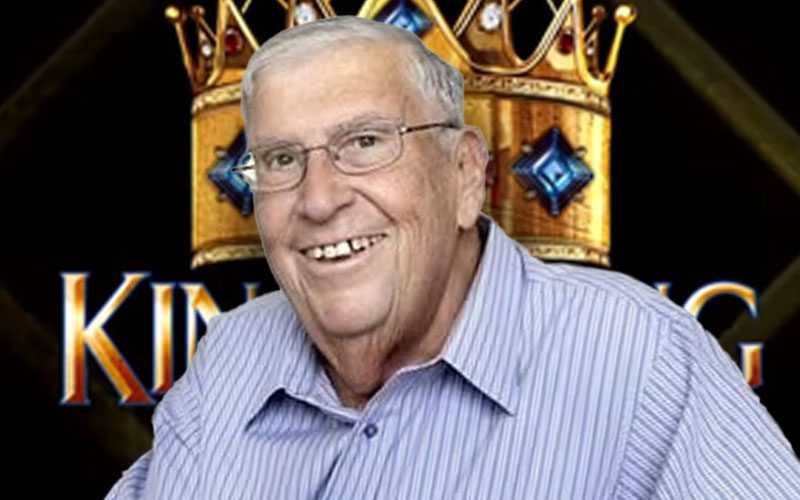
Eddie Andelman deserves his flowers for the King of the Ring
2 hours ago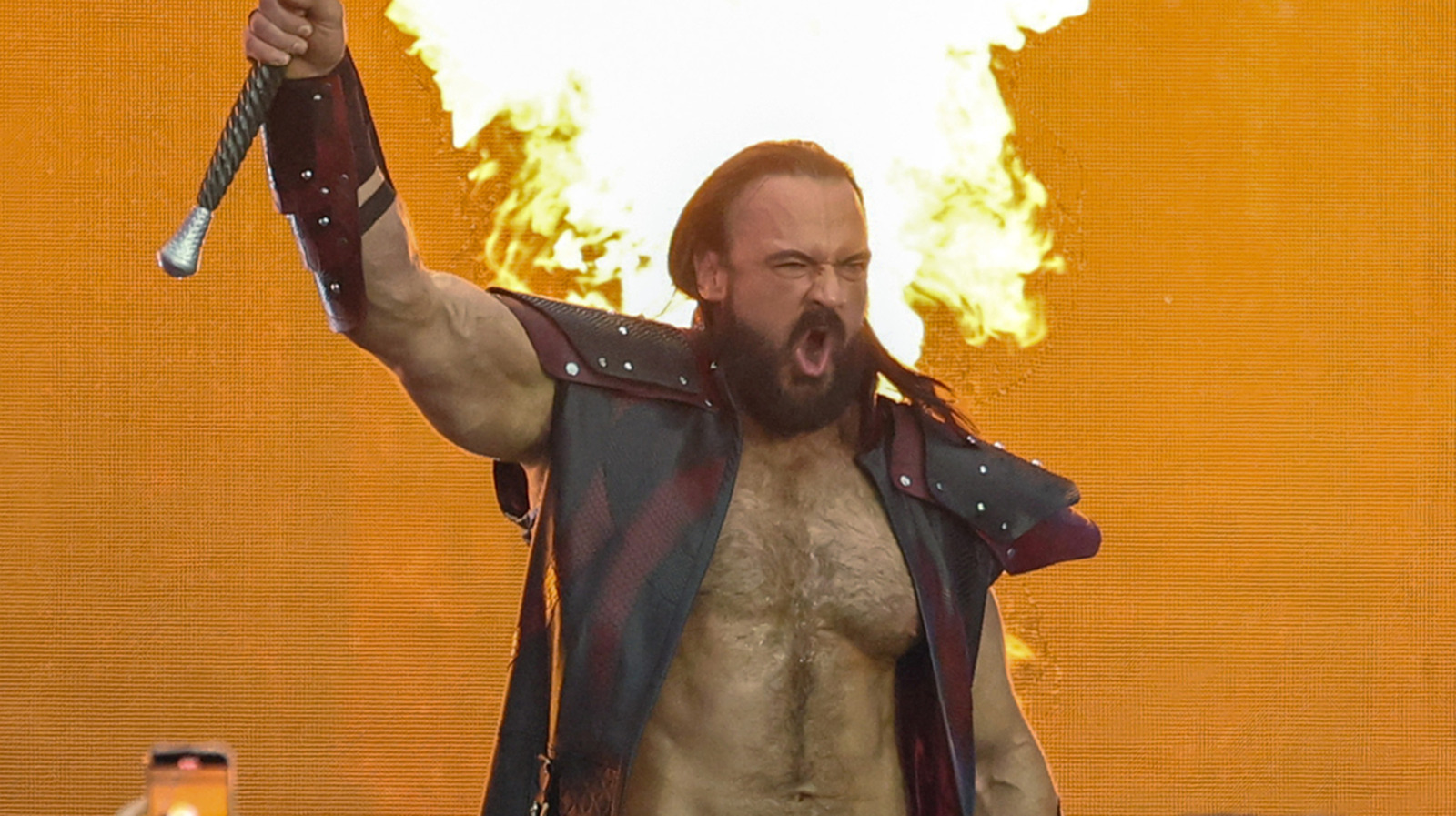
Drew McIntyre's wrestling hiatus is a mathematical problem for WWE
2 hours ago
WWE is sleepwalking into Night of Champions with zero momentum
2 hours ago
Josh Hokit has backed himself into a corner at UFC Freedom 250
2 hours ago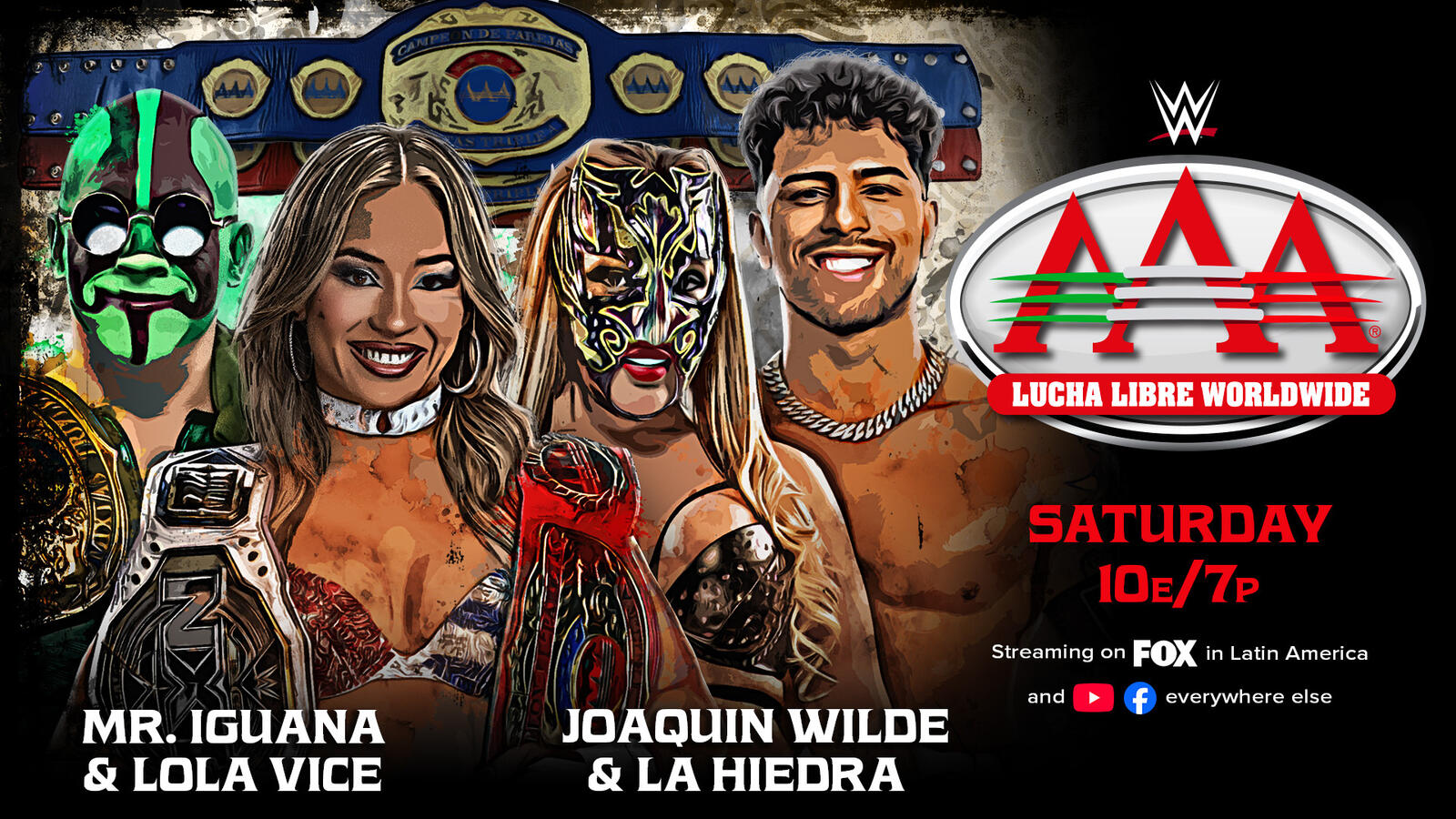
Top 10: Lola Vice in the NXT Arena
2 hours ago
Rhea Ripley sidelined as WWE Women's Title picture shifts
2 hours agoMore Analysis
Eddie Andelman deserves his flowers for the King of the Ring
2 hours ago
Drew McIntyre's wrestling hiatus is a mathematical problem for WWE
2 hours ago
WWE is sleepwalking into Night of Champions with zero momentum
2 hours ago
Josh Hokit has backed himself into a corner at UFC Freedom 250
2 hours ago
Top 10: Lola Vice in the NXT Arena
2 hours ago