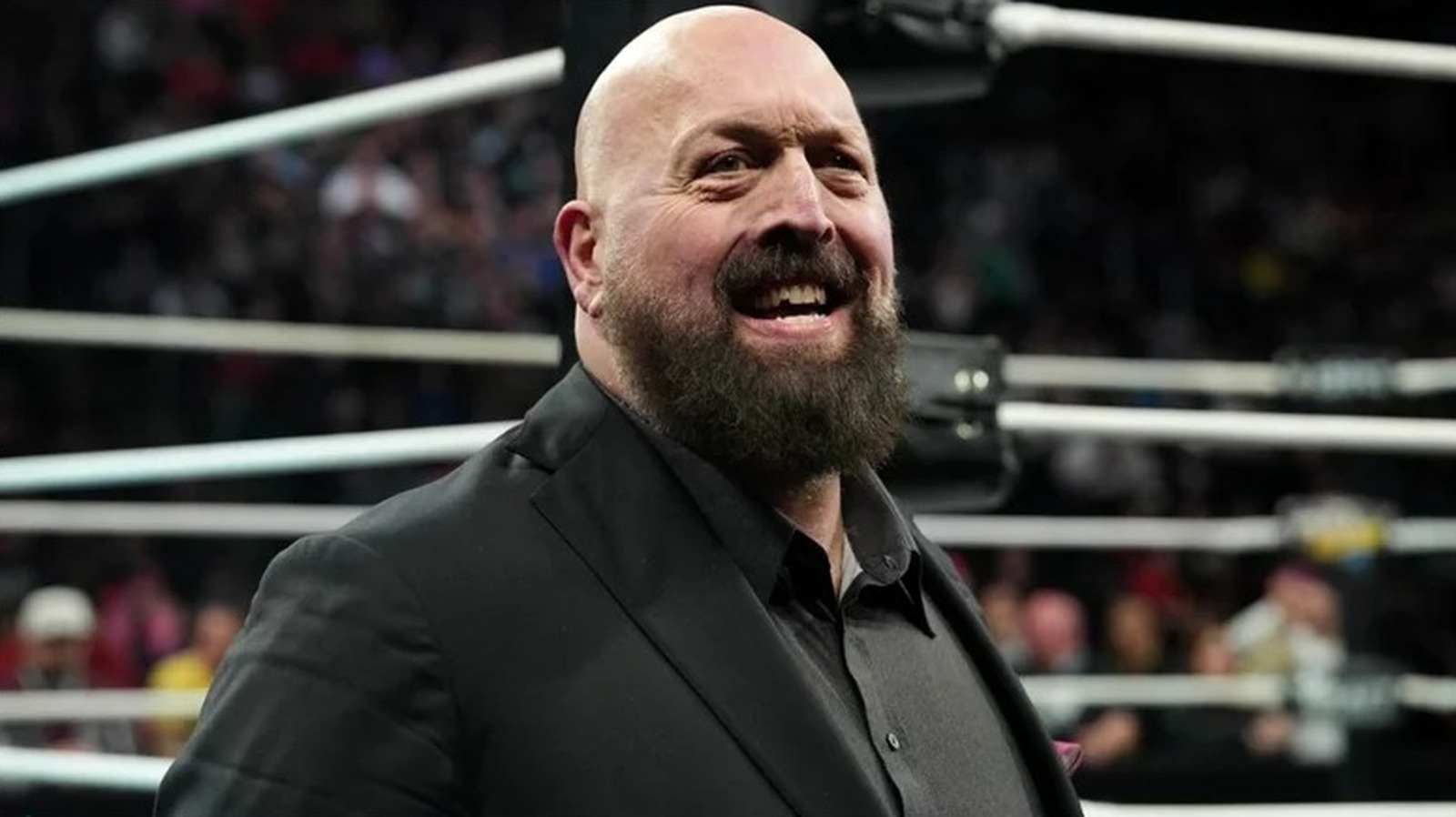
The transition from the hardwood to the squared circle
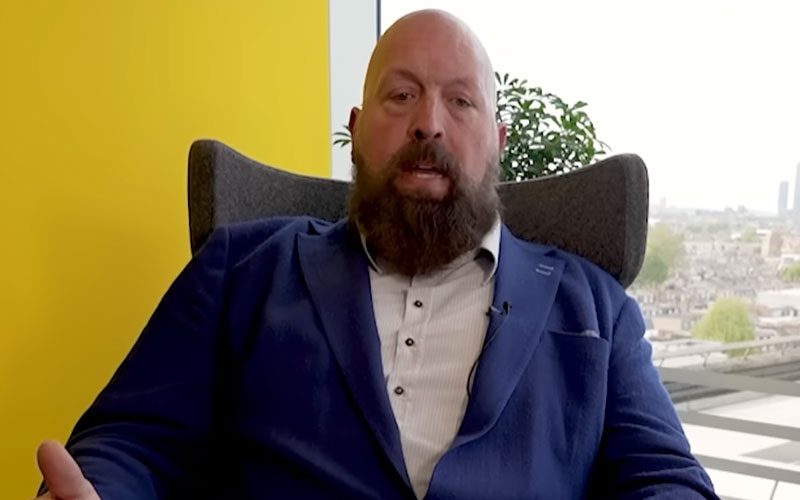
Paul Wight entered professional wrestling not as a seasoned technician, but as a legitimate physical anomaly. His decision to pivot away from basketball and into the ring during a period of personal instability remains one of the most drastic career shifts in combat sports history. As Paul Wight detailed to Wrestling Inc, the move wasn't calculated for long-term championship glory. It was a survival mechanism for a man finding his footing during a difficult time in his life.
We often romanticize the rise of giants in wrestling, assuming a natural progression from local promotions to the grandeur of major cable television. Wight’s path reveals the opposite. He had no amateur wrestling pedigree to lean on in 1995. His early matches in WCW were defined by raw power rather than nuanced story-telling. When watching his 1996 debut against Hulk Hogan, the lack of spatial awareness is obvious. He relied entirely on his seven-foot frame to carry the segments.
Refining the giant in an era of speed
The modern audience often forgets how difficult it was for Wight to adapt during the peak of the cruiserweight boom. Adapting your pace to keep up with smaller, faster workers while maintaining the aura of an invincible monster is a tightrope walk. During the late 90s, he often struggled with transition timing. His signature scoop slam transitions were occasionally mistimed by 0.5 seconds, leading to visible awkwardness in the ring.
Criticism of the giant is inevitable in this sport. Wight’s propensity for face-heel-face turns became a tired trope that ultimately diluted his character by 2003. When he landed in AEW, the role shifted toward mentorship and occasional special attraction matches. The booking here is intentional. He isn't being pushed to carry 20-minute main events at the expense of roster depth. He functions as a touchstone for a generation that remembers the Monday Night Wars.
What to watch for in upcoming appearances
Expect Wight to prioritize efficiency if he steps into a high-stakes environment in the coming months. He has moved away from the complex strike exchanges that defined his mid-career. You should look for the economy of motion. He utilizes his reach to cut off the ring effectively, turning 20-foot by 20-foot spaces into claustrophobic traps for his opponents.
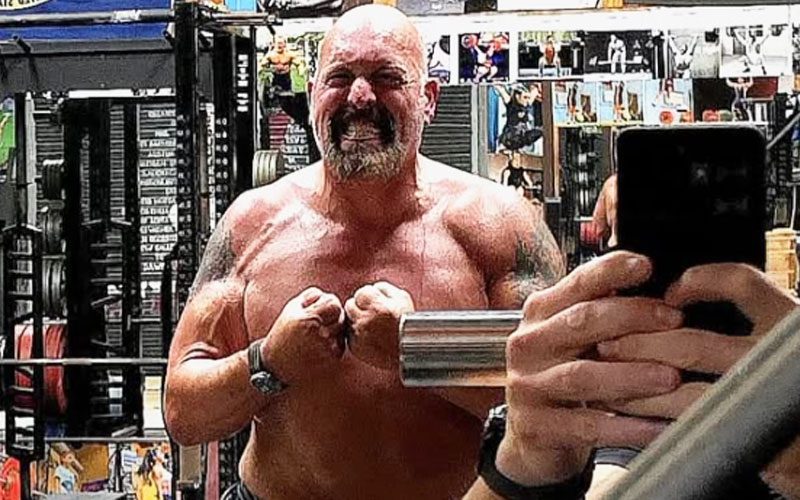
The current landscape of professional wrestling demands more than just size. While opponents like Jay White or even younger workers in the AEW mid-card operate at a much higher metabolic rate, Wight maintains a defensive positioning that limits his physical exposure. If he takes a bump, it is calculated to minimize strain on a frame that has undergone significant wear. He is no longer the indestructible version of himself that debuted in 1995.
My prediction for his next substantial performance involves a pivot to a more grounded, brawling style. I do not see him executing a dropkick or high-risk maneuver in 2026. He will lean on closing the distance and forced attrition. The risk of injury is the defining factor of his late-stage career, yet his ability to work through match psychology remains a sharp edge he still holds over most of the locker room. I am betting he pulls off a clean, decisive victory using only two maneuvers: a chokeslam and a simple, brutal clothesline.