Double blow for Private Party
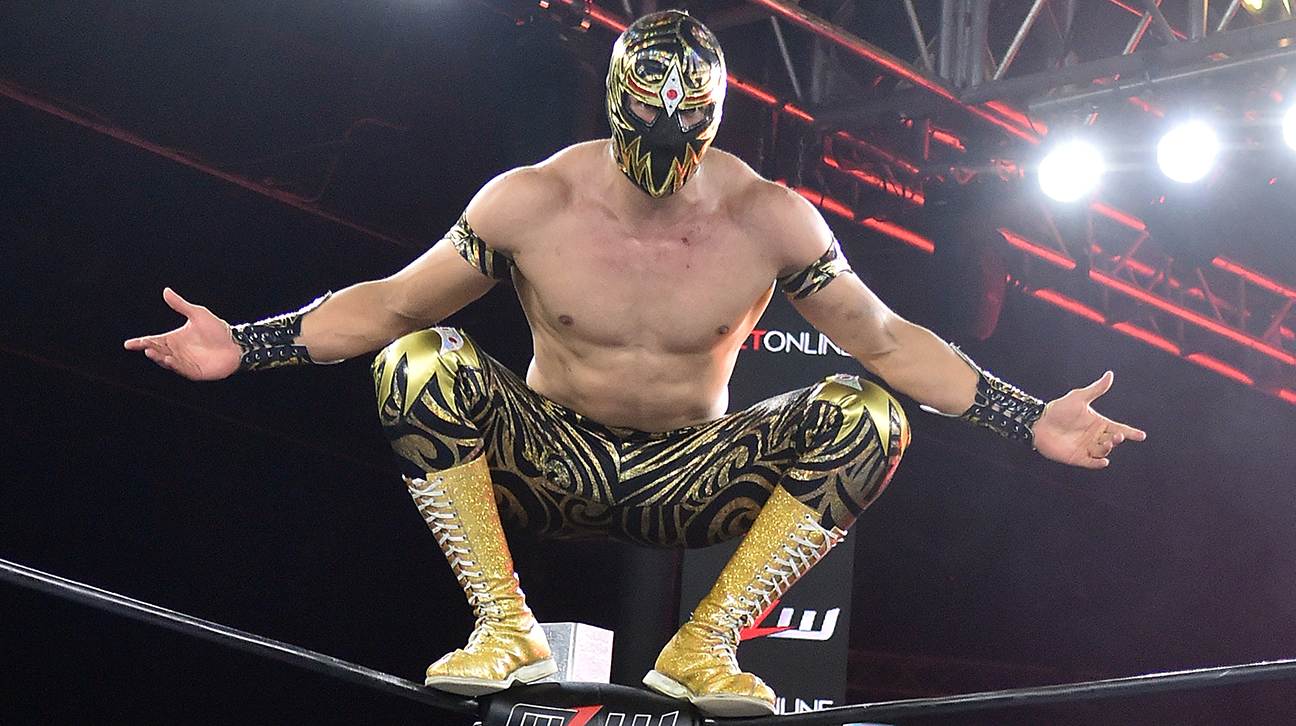
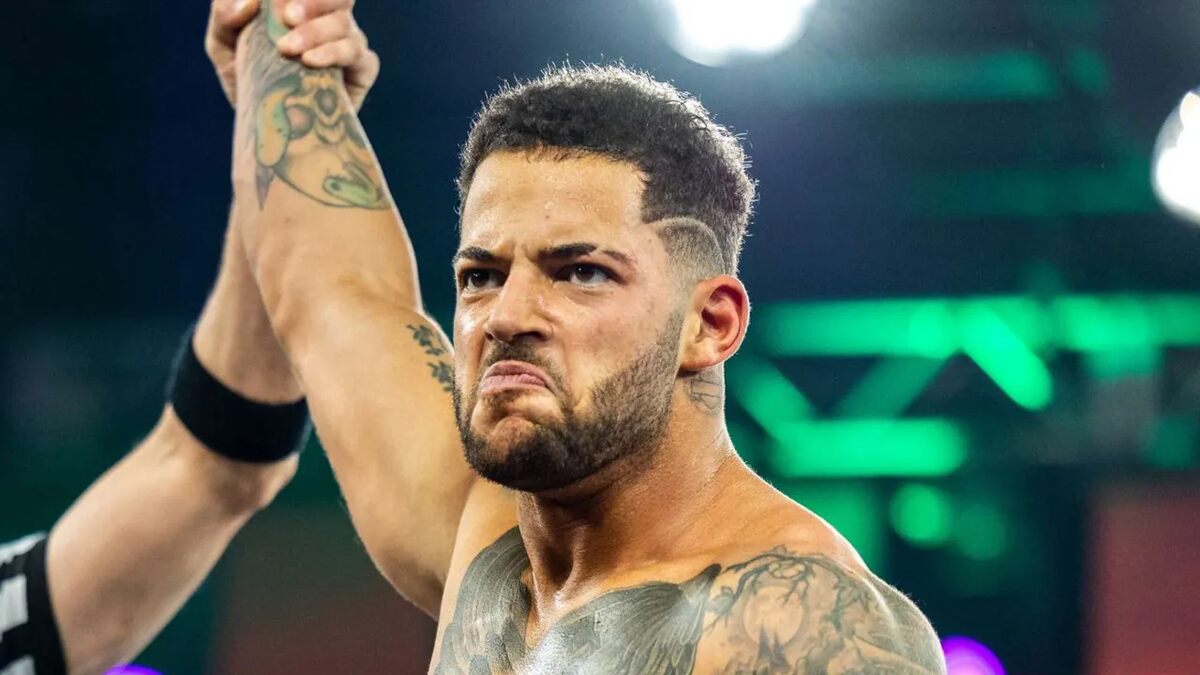
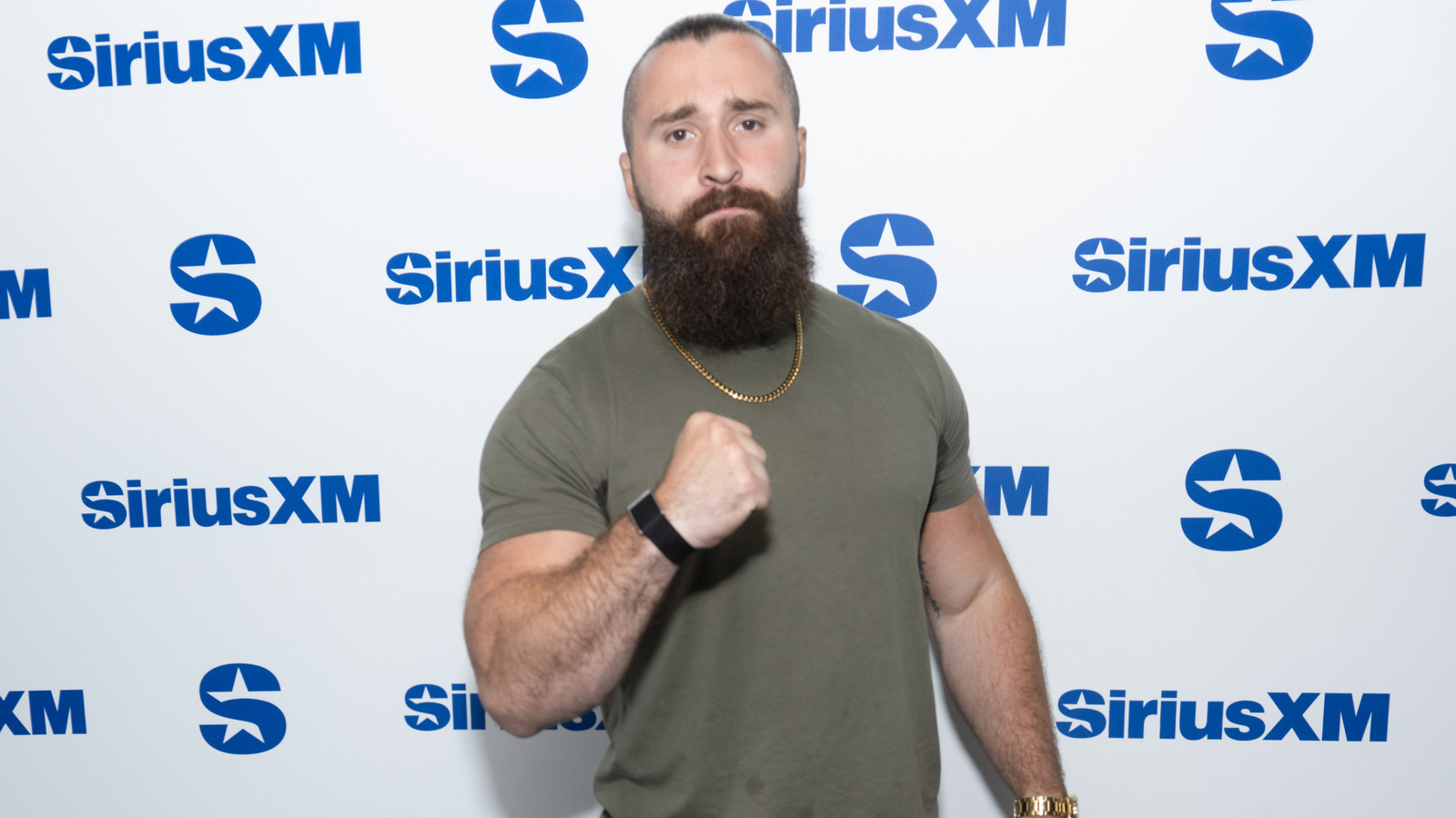
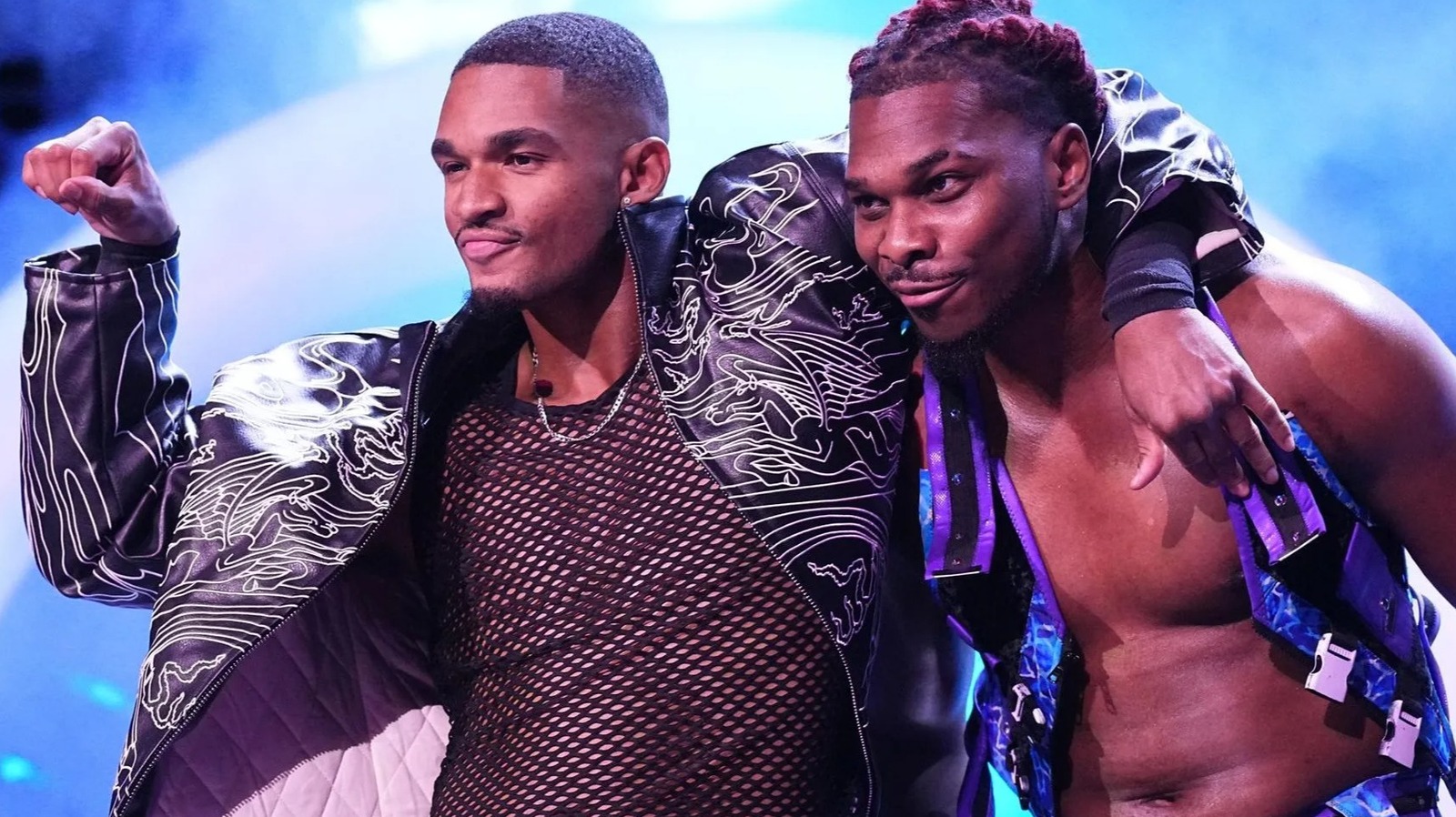
Isiah Kassidy and Marq Quen are out of commission. The duo, competing together as Private Party in AEW, suffered identical injuries during a single match according to the latest reports from Wrestling Inc. It is a logistical nightmare for a tag division already struggling to find consistent rhythm.
Reports indicate both wrestlers sustained the same ailment in the ring. The internal medical team has not provided a specific diagnosis, but the timing suggests a specific spot went wrong. When two performers fall in the same sequence, the review process for that specific segment of the match is usually immediate and brutal.
The impact on AEW's tag division
Losing Private Party hollows out the mid-card tag team rotation. They were booked to fill high-speed slots on television throughout the summer. Without them, creative will have to pivot quickly to replace that specific explosive energy in Friday and Saturday lineups.
This isn't an isolated incident in terms of double-injury scares, but it remains rare in modern professional wrestling. Similar situations in the last decade, particularly in high-flying promotions, have led to tighter restrictions on aerial sequences during house shows. Management typically pulls high-risk maneuvers from the cards for at least two weeks following such an event.
Strategic fallout and recovery
The timeline for their return remains in flux. Recovery from physical trauma in wrestling is rarely linear and depends on individual tolerance to rehab. If they are dealing with minor soft tissue damage, a return by early August is the best case scenario. If surgical intervention is required, the reality will shift to the fourth quarter of 2026.
AEW's decision-makers are now facing a common scheduling headache. When tag teams go down simultaneously, the entire division feels the ripple effect. Competitors needing to establish their ranking will likely see an increase in work rate to fill the airtime left vacant by the absence of Kassidy and Quen.
Critics point to the heavy schedule as a factor in these occurrences. Pushing active talent through multiple high-intensity matches, including high-spot sequences against diverse opponents, creates a narrow margin for error. Wrestlers often play through discomfort until a singular moment forces a collapse.
Historical context of in-ring accidents
We have seen similar incidents force structural changes before. Historically, when tag team partners suffer injuries in the same match, it suggests a failure in the communication of the spot or a lack of mat protection during a specific sequence. Whether this was an equipment failure or a botched technical execution is the question behind closed doors.
The industry standard for post-injury procedure has tightened significantly since the 1990s. Wrestlers are now subjected to immediate concussion protocol testing and mobility assessments before they even clear the Gorilla position. If this report holds, AEW officials will be looking at this match tape frame-by-frame.
The uncertainty surrounding their health creates a void in the division. Tag team wrestling relies on chemistry that takes years to refine. Replacing two guys who have worked together consistently is harder than slotting in a random pair of singles competitors. Expect the booking to favor established vets for the next month as the company waits for news on the medical evaluation.
The fans expecting to see the Gin and Juice maneuvers are going to have to adjust their expectations. The technical efficiency of the division takes a step back today. Ultimately, the industry tracks this closely because injury streaks are the biggest threat to quarterly performance metrics.