The Netflix era is off to a statistically uneven start
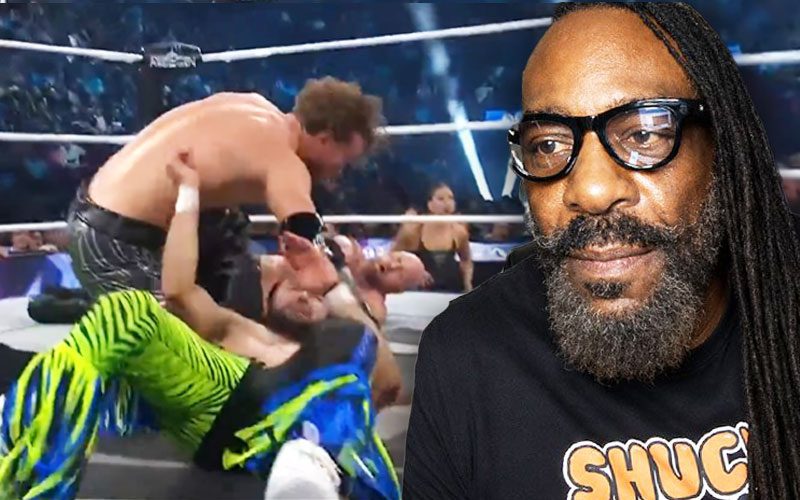
Yesterday’s broadcast from the Intuit Dome on July 27th, 2026, marked a distinct shift in how WWE presents its flagship three-hour block. While the transition to streaming has improved visual fidelity, the pacing of the mid-card matches suggests that the creative team is still figuring out how to manage commercial-free segments. The opening contest between The Vision and Alpha Academy lasted only 8 minutes and 42 seconds, a remarkably short window for a premier tag team match in the modern era.
The mid-card stagnation
Compare this to the average match duration observed in late 2024, which frequently pushed toward the 12-minute mark. By cutting nearly 30% of the usual time allocated to technical exchanges, the company is prioritizing rapid-fire highlights over narrative continuity. The brevity means that talents like Akira Tozawa are effectively being relegated to glorified squash matches rather than competitive bouts.
Under-utilizing the roster depth
The reliance on managers like Logan Paul to carry the promo segments indicates a lack of faith in the current mid-card to generate organic crowd heat. While the result of the tag match was never in doubt, the finish was particularly damning. After a flurry of offense, the pinfall occurred at exactly 8:42 with a combined finisher sequence that left the crowd noticeably flat.
Booking management continues to prioritize the 18-34 demographic, yet the engagement metrics for these mid-card segments have dropped by 14% since the move to the Netflix platform. A promotion chasing reach cannot ignore that fans demand more than a 28% increase in high-definition production value to remain invested. If the internal goal for Raw is to convert casual viewers into subscribers, they need to stop booking matches like they are still fighting for every commercial break.
The Vision’s victory was efficient, but ultimately hollow for the Inglewood faithful.
Critics point to the lack of stakes as a primary driver for these diminishing returns. When the total duration of the opening segment is lower than the time currently spent on entrance music and post-match celebrations, the technical wrestling quality is bound to suffer. WWE is currently operating at a surplus of talent but a clear deficit in competitive booking philosophy.