Support system surrounding Rebel as ALS battle persists
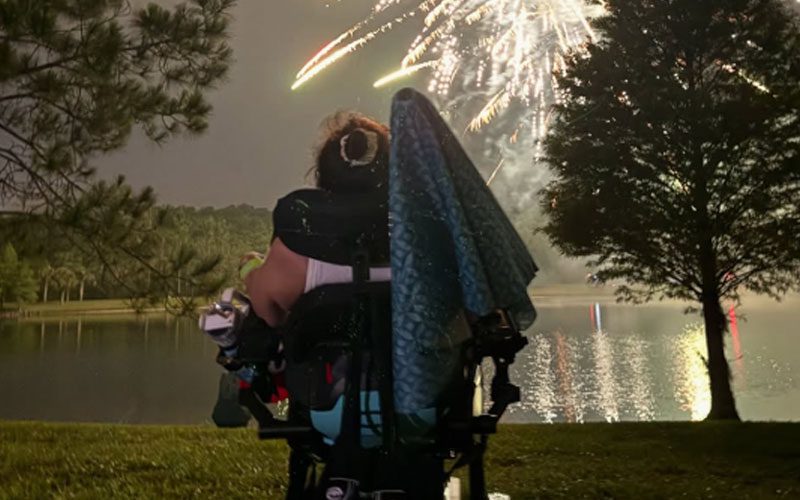
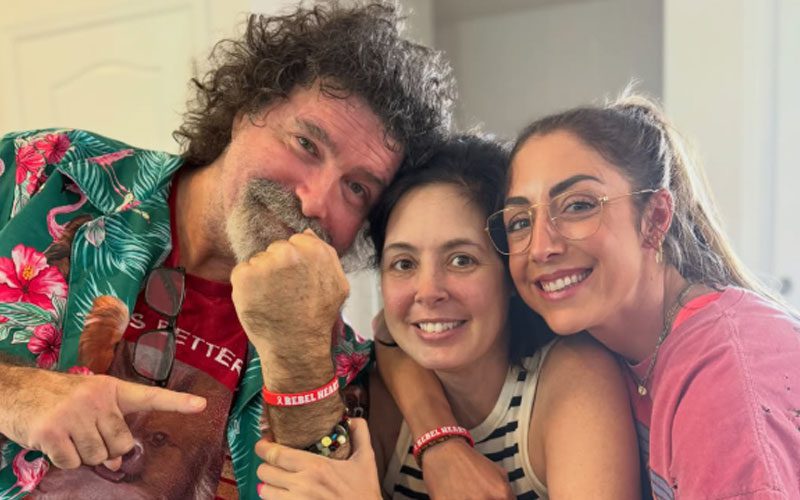
Rebel remains sidelined and away from active television programming as she battles a diagnosis of ALS. The wrestling community continues to rally behind the performer, with WWE Hall of Famer Mick Foley making a public visit this week to provide support.
Foley shared photographic evidence of his visit on Friday, June 5, 2026. Britt Baker was also present, documenting a rare moment of levity for the performer currently navigating the complexities of an neurodegenerative condition.
The reality of medical exits in professional wrestling
Unlike standard ring injuries such as a torn ACL or concussion, an ALS diagnosis necessitates an immediate and indefinite cessation of physical activity. There is no timeline for resolution or a return to the ring in this context.
Historically, professional wrestling promotions have struggled with the long-term health management of their performers. While insurance models have evolved, the transition from active roster status to managing career-ending terminal health issues often falls into a grey area of industry support.
The optics of this visit point to a tight-knit internal group maintaining off-air connections. However, her absence leaves a clear void in technical support slots on the roster. Booking teams have had to pivot away from planned segments that relied on her chemistry with established performers like Baker.
Industry impact and strategic personnel shifts
Promotions often prioritize talent utilization based on accessibility. When a performer suffers a chronic, life-altering condition, the strategic impact on the card can be severe. It forces a complete reassessment of long-term arcs involving those specific cohorts.
We have seen similar scenarios play out in the past where unexpected health crises derailed multi-year booking plans. While fan sympathy is high, the management side is left to recalibrate weekly rotating angles. The move to shift focus away from these lost segments is usually immediate.
There is a harsh reality to the business side of talent availability. While the sentiment remains positive, the lack of a clear exit or return path creates a difficult scenario for script writers. They must move forward while publicly acknowledging the humanity of the situation.
Analyzing the booking consequences
The absence of Rebel removes a specific layer of insurance for her tag team and stable partners. This forces management to lean on newer talent to fill those specific performance gaps. It is a necessary but suboptimal adjustment for any creative team.
Critics often point to the lack of secondary support for mid-card talent dealing with life-changing news. While Foley's visit appears to be a solitary act of professional kindness, it highlights the absence of a wider, organized outreach or transitional framework for current wrestlers facing similar crises.
The industry continues to view these situations through a lens of temporary absence until forced to address long-term reality. Relying on organic support from peers like Baker is the current internal standard. It is effective for morale but does little to stabilize the professional trajectory of the affected performer.
As of June 6, 2026, the focus for the industry remains on the upcoming summer schedule. While fans track these updates, the business cycle demands immediate replacement strategy. The reality is that professional roles move on, even when personal struggles are profound.
The absence of established, reliable, and accessible personnel creates a talent drain that is rarely discussed until it impacts a main event. This remains a significant blind spot for the industry as it prepares for the upcoming spike in summer viewership.