The exit in Manchester
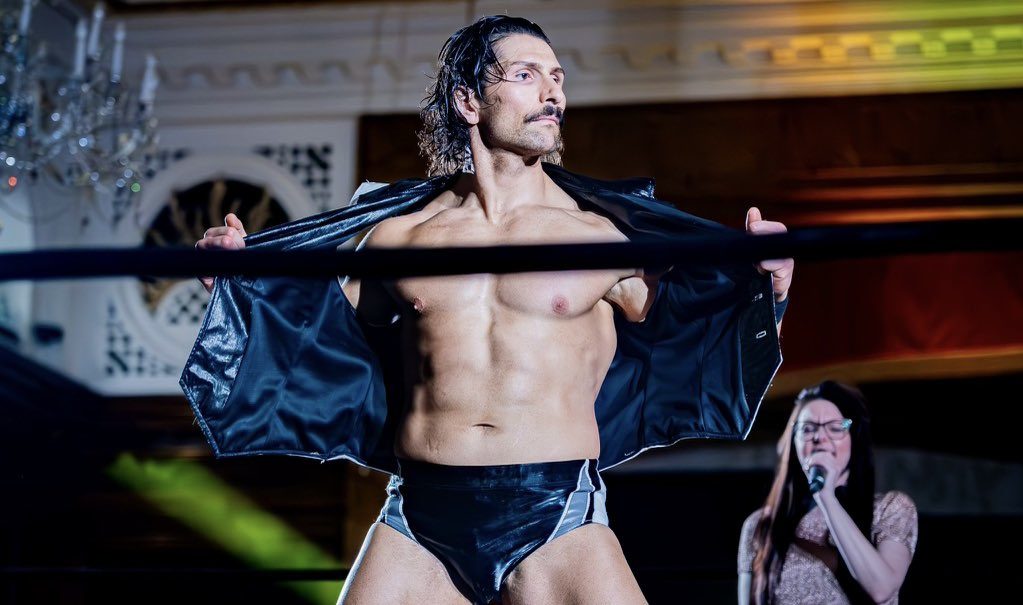
Richard Holliday has seemingly closed his chapter on the independent scene. During the GCW Melee In Manchester event on July 12, Holliday left his boots in the center of the ring following his final bout. This act usually signals a transition to a larger promotion, and industry chatter has linked him directly to a WWE roster spot for months.
Holliday established himself as a high-level worker during his time in MLW and on the independent circuit. His character work, particularly the 'Pride of Professional Wrestling' persona, allows for a smooth transition into the developmental or mid-card tiers in Stamford. The departure from GCW was orderly, suggesting he is fulfilling obligations before finalizing professional paperwork elsewhere.
Compatibility with WWE
Holliday presents as a classic technician who fits the current mold of talent being funneled into the Performance Center. His move-set relies on clean power maneuvers and precise strikes, distinct from the high-risk style dominated by wrestlers like Nick Wayne or Will Ospreay. He works a deliberate pace that allows for storytelling through facial expressions rather than just spot-calling.
The criticism, however, remains his ceiling in a promotion that prioritizes size and television charisma above all else. Holliday lacks the explosive background of amateur wrestling standouts like Gable Steveson or the viral history of someone like Grayson Waller. He will need to refine his promo cadence to survive the scrutiny of a weekly televised program where minutes are strictly managed.
The broader market context
The movement of talent is accelerating as WWE seeks to consolidate its roster during a period of expansion. As AJ Styles recently noted regarding potential Japanese acquisitions, the strategy involves controlling top-tier talent before they reach a broader market. Securing a technician like Holliday is a low-risk signing for a company looking to fill out house show lineups and mid-card depth.
This fits a pattern of talent opting for the security of a global brand over the volatility of the indie scene. Similar to recent cross-promotional activity, such as Karrion Kross defending titles in Ethan Page’s Alpha-1 Wrestling, WWE is allowing for more fluid movement for wrestlers who haven’t reached tier-one status, yet the departure of boots signifies a full-time contract expectation.
The road ahead
Holliday is now a free agent in practical terms. If the signing is finalized this month, we should see an announcement before the end of July. Expect a vignette series on television shortly thereafter to establish his branding.
The impact of this potential arrival depends on the immediate creative direction. If he is treated as a veteran arrival, he could jump straight into a mid-card championship feud. If he is sent to transition in the developmental territory, he may be off television until late 2026. The 90 percent probability score reflects his public signaling in Manchester, which is rarely a coincidence in this industry.
Holliday’s style is designed to be a foil for high-flyers, making him a useful asset for opening segments and tournament fillers. Should he sign, management will look for him to put over established talents while developing his own narrative hook. His failure to connect with GCW fans in the final months of his run served as a reminder that momentum can vanish quickly outside the big-league bubble.
The transition from a marquee indie talent to a WWE roster member often sees wrestlers lose their creative freedom, a hurdle Holliday must clear. He is a polished professional, but the jump in intensity between GCW and a main WWE broadcast is massive. If he manages the adjustment, he provides the consistent work ethic necessary to stabilize a roster during the grueling spring and summer touring cycle.
This deal effectively closes the book on his time outside the industry giants. Expect the ink to dry soon. The next step is a formal signing update from the company.