The Bloodline fallout leaves Roman Reigns on the shelf
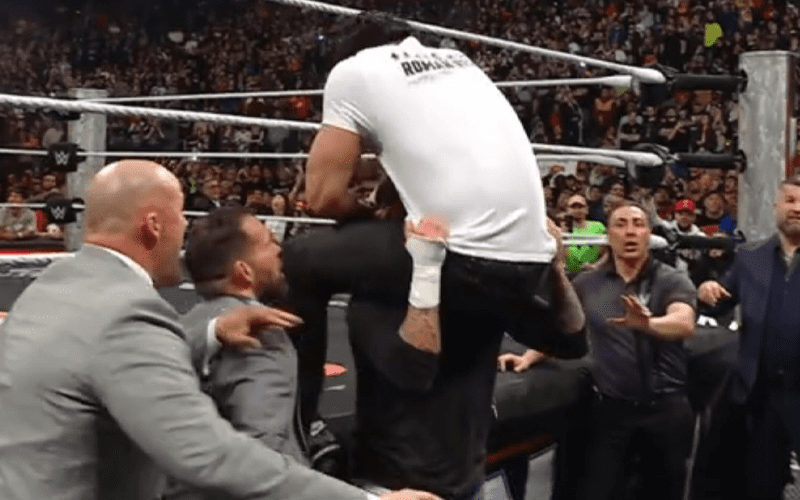
The return of Roman Reigns was supposed to be the stabilizing force for SmackDown as the brand builds toward SummerSlam. Instead, the Tribal Chief is starting the summer on the trainer’s table. Following the chaotic events of Monday Night Raw on May 11, where Jacob Fatu made a statement by obliterating the former champion, WWE medical staff have officially moved Reigns to a day-to-day status. The attack was not your standard wrestling beatdown; Fatu utilized a top-rope Samoan Drop through the announce table that appeared to jam Reigns’ neck and lower back upon impact.
Inside the building, the concern was immediate. While Reigns walked out under his own power, sources backstage indicate that he has been dealing with significant swelling and restricted range of motion in his cervical spine. This is a massive blow to a creative team that has essentially built the next three months around the tension between the original Bloodline and the Fatu-led faction. If Reigns misses more than a few weeks, the entire hierarchy of the blue brand is thrown into disarray, leaving Cody Rhodes without his primary antagonist for the immediate future.
This is not the first time a Bloodline-related injury has derailed plans. We saw similar disruptions during the 2024 run-up to WrestleMania, and the recurring theme is the physical toll these high-stakes, high-impact brawls take on the aging core of the roster. Reigns, who has worked a reduced schedule for years to preserve his health, now finds himself victim to the very intensity that Jacob Fatu brings to the ring. The medical team is being ultra-conservative, likely because any secondary impact could turn a minor neck tweak into a long-term neurological issue.
WWE pulls CM Punk from European tour in precautionary move
While Reigns is dealing with acute trauma, CM Punk’s situation is more about management and fear. On May 13, WWE officials confirmed that Punk would be removed from the remainder of the European tour. The official word is "precautionary," but in the world of sports medicine, that is often code for a minor flare-up that could become a disaster if pushed. Punk’s history with his triceps and various leg injuries since returning to the ring has made the WWE medical staff jumpy. Even a hint of inflammation is enough to get a private jet booked back to Chicago.
The timing is particularly sensitive. With SummerSlam 2026 looming, the company cannot afford a repeat of the 2024 Royal Rumble where Punk went down with a torn triceps, stripping the summer of its biggest drawing match. Punk has reportedly been complaining of "general soreness" in his surgically repaired arm, and the grind of an international tour is the worst possible environment for recovery. By pulling him now, WWE is betting that two weeks of rest will keep him available for the domestic television tapings where the real money is made.
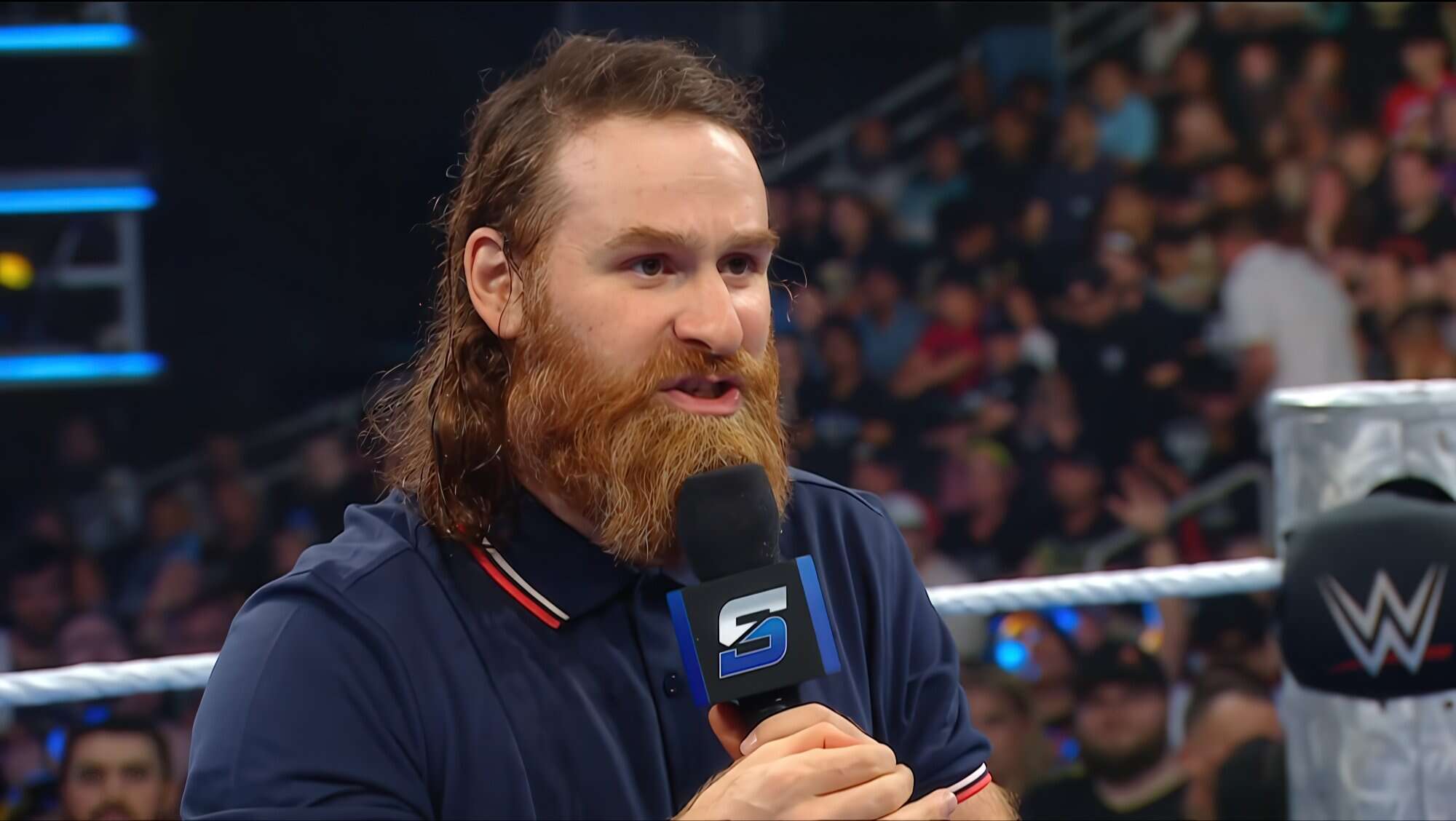
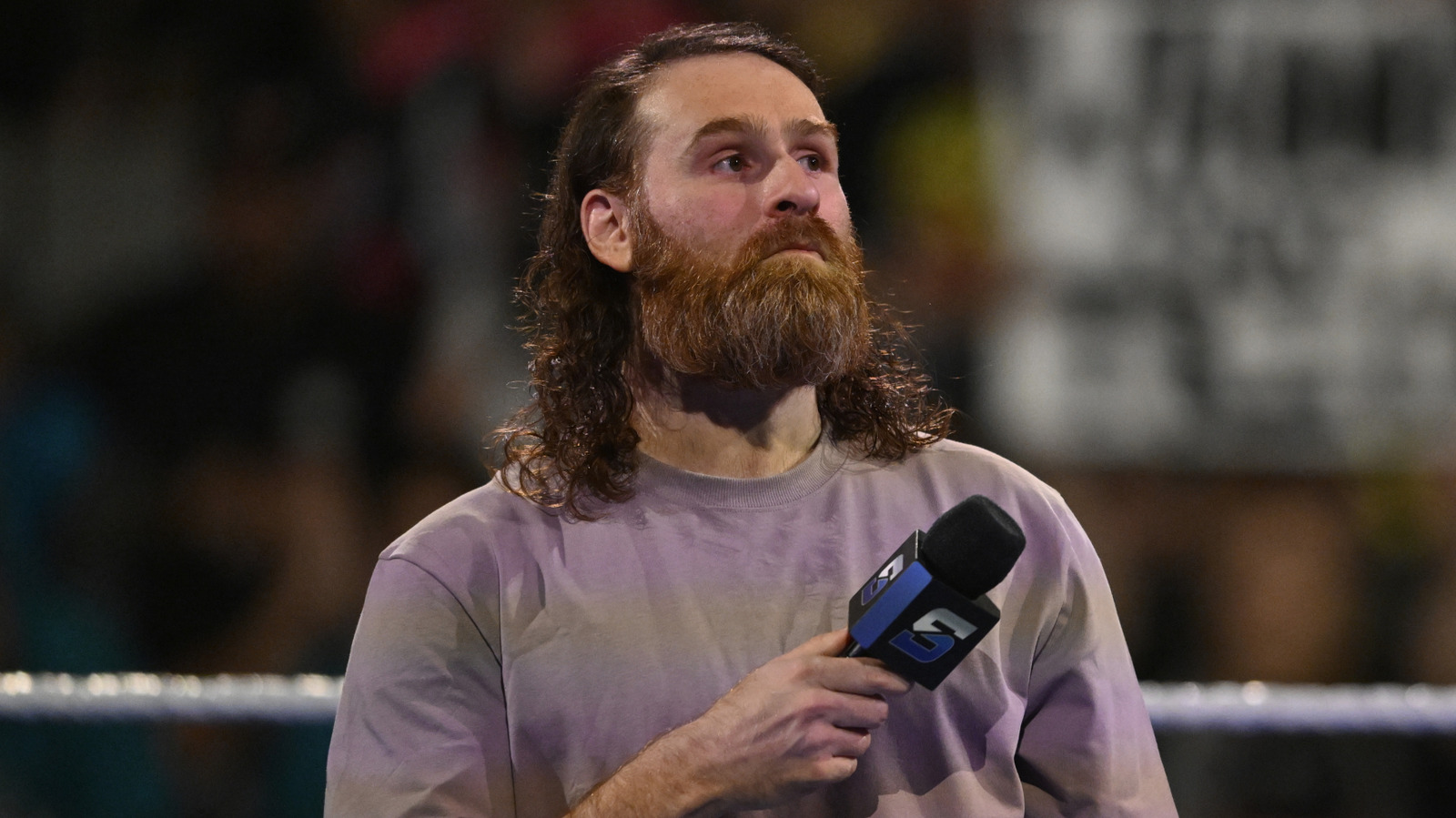
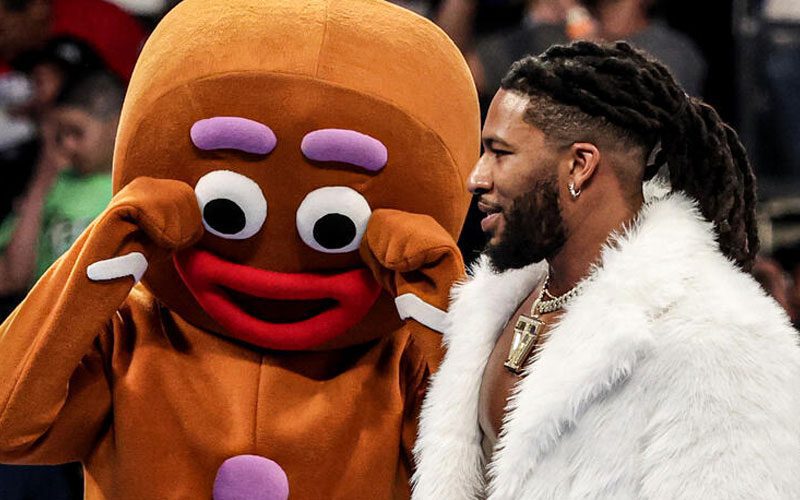
Trick Williams never expected his “Gingerbread Man” joke about Sami Zayn to turn into one of WWE’s weirdest ongoing storylines — but it highlights the strange reality where some stars are worried about jokes while others are fighting for their careers in rehab.
The contrast in the locker room is stark. While Trick Williams is navigating the absurdity of the Gingerbread Man storyline, top-tier stars are struggling to stay upright. The heavy reliance on veteran performers like Punk and Reigns is starting to look like a dangerous gamble. Every time a major tour dates gets shuffled because a 40-plus star needs a localized ice bath, the cracks in the "New Era" foundation become more visible. WWE’s internal medical protocols are more rigorous than ever, but they can't engineer a way out of the aging process.
Chelsea Green and the reality of Supraventricular Tachycardia
On May 4, Chelsea Green underwent a successful medical procedure that flew somewhat under the radar compared to the main event drama. Green was diagnosed with Supraventricular Tachycardia (SVT), a condition where the heart's electrical system causes it to beat dangerously fast. In a high-adrenaline environment like professional wrestling, SVT is more than an annoyance; it is a legitimate safety risk. Green’s procedure, likely a cardiac ablation, was designed to permanently fix the arrhythmia by scarring the small area of heart tissue that was causing the irregular signals.
Medical experts suggest that Green will be sidelined for roughly four to six weeks. While she could technically return to light cardio in ten days, the physical contact and extreme heart rate spikes of a 15-minute match require a longer healing window for the femoral artery access point. This puts the women’s tag team division in a holding pattern. Green has been the workhorse of that division, and her absence leaves a void of character-driven wrestling that the current call-ups are struggling to fill.
Historically, we have seen wrestlers like Triple H and Alexa Bliss deal with various heart-related scares, but the transparency around Green's SVT is a positive shift in how the industry handles non-orthopedic issues. It isn't just about broken bones; the internal health of these athletes is finally being prioritized over the "show must go on" mentality that plagued the previous generation. Still, Green's absence is a sharp reminder of how quickly a pushed talent can be sidelined by factors completely outside their control.
AEW faces a growing void as Toni Storm and Adam Cole remain out
Across the aisle, the medical news in AEW is significantly more grim. Internal reports circulating this week suggest that Toni Storm, the cornerstone of the women's division for much of the last two years, is expected to be out for the remainder of 2026. While the specific nature of her injury has been kept under wraps, the "rest of year" timeline usually points toward major reconstructive surgery, likely in the shoulder or hip area. This is a catastrophic blow for AEW as they head into Double or Nothing on May 24. Storm’s absence has already led to a pivot in booking that feels rushed and lacks the long-term emotional payoff of her previous programs.
Then there is the ongoing saga of Adam Cole. Cole remains sidelined indefinitely with concussion-related issues that have now stretched into a territory where retirement talk is no longer just a whisper. Unlike a torn ligament, there is no set recovery time for the neurological impact Cole is facing. AEW’s medical staff has been criticized by some for their handling of previous head injuries, but in Cole’s case, they appear to be exercising extreme caution. The strategic implication is that AEW has lost one of its most bankable stars during a period where they desperately need to shore up their domestic ratings.
Further down the card, Wardlow is still rehabbing a torn pectoral muscle with a return date tentatively set for late 2026. The recurring theme in AEW is a lack of "middle-ground" injuries. It seems their talent is either healthy or facing a six-month recovery. This binary health status makes it nearly impossible for Tony Khan to maintain consistent storylines. The roster is deep, but it is also increasingly fragile. When you lose Storm, Cole, and Wardlow simultaneously, you aren't just losing wrestlers; you are losing the structural integrity of your weekly television product.
The NXT transition and the Stephanie Vaquer setback
In NXT, the medical focus is on Stephanie Vaquer, who is currently dealing with a second-degree AC joint sprain in her shoulder. For those unfamiliar with the anatomy, the acromioclavicular joint is where the collarbone meets the highest point of the shoulder blade. A second-degree sprain involves a partial tear of the ligaments. It is an incredibly painful injury that makes any overhead movement—like a suplex or a clothesline—nearly impossible. Vaquer is expected back in June, but the injury has stalled her momentum just as she was being positioned for a major main roster crossover.
The frequency of these shoulder injuries in NXT is worth noting. The high-impact, "strong style" influence that many international signees bring to the Performance Center often clashes with the rigorous, daily training schedule of the WWE developmental system. Vaquer is a phenomenal athlete, but her shoulder was likely already compromised from her years on the independent and Mexican circuits. This is a critical observation for the WWE medical team: they are signing the best talent in the world, but they are often receiving them at the tail end of their peak physical durability.
As we move toward a busy June schedule, the industry finds itself in a state of flux. The top of the WWE card is being held together by athletic tape and precautionary rest, while the AEW roster is looking increasingly like a ward for long-term recovery. The "Gingerbread Man" storylines might provide the levity fans need, but the medical reports are the ones that will truly dictate who is standing in the ring when the biggest shows of the summer finally arrive.
Read Next
- The Trick Williams Gingerbread Man joke is tearing the WWE fanbase apart
- Roman Reigns Survived Backlash, But His Empire Is Finally Cracking
- Top 10: The Definitive Rise of Trick Williams in 2026
- WWE is booking Oba Femi into a corner, and Clash in Italy won't save him
- 🏆 WrestleMania 41 — Full Coverage Hub
- 💥 WWE Backlash 2026 — Full Coverage Hub
- 💊 CM Punk WWE 2026 — Best in the World
- 👑 Roman Reigns Return 2026 — The Tribal Chief