The fallout from the Italian tour
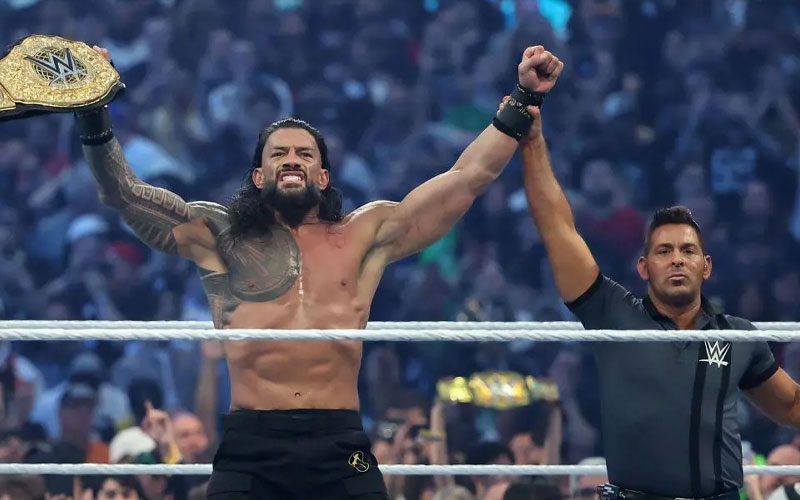
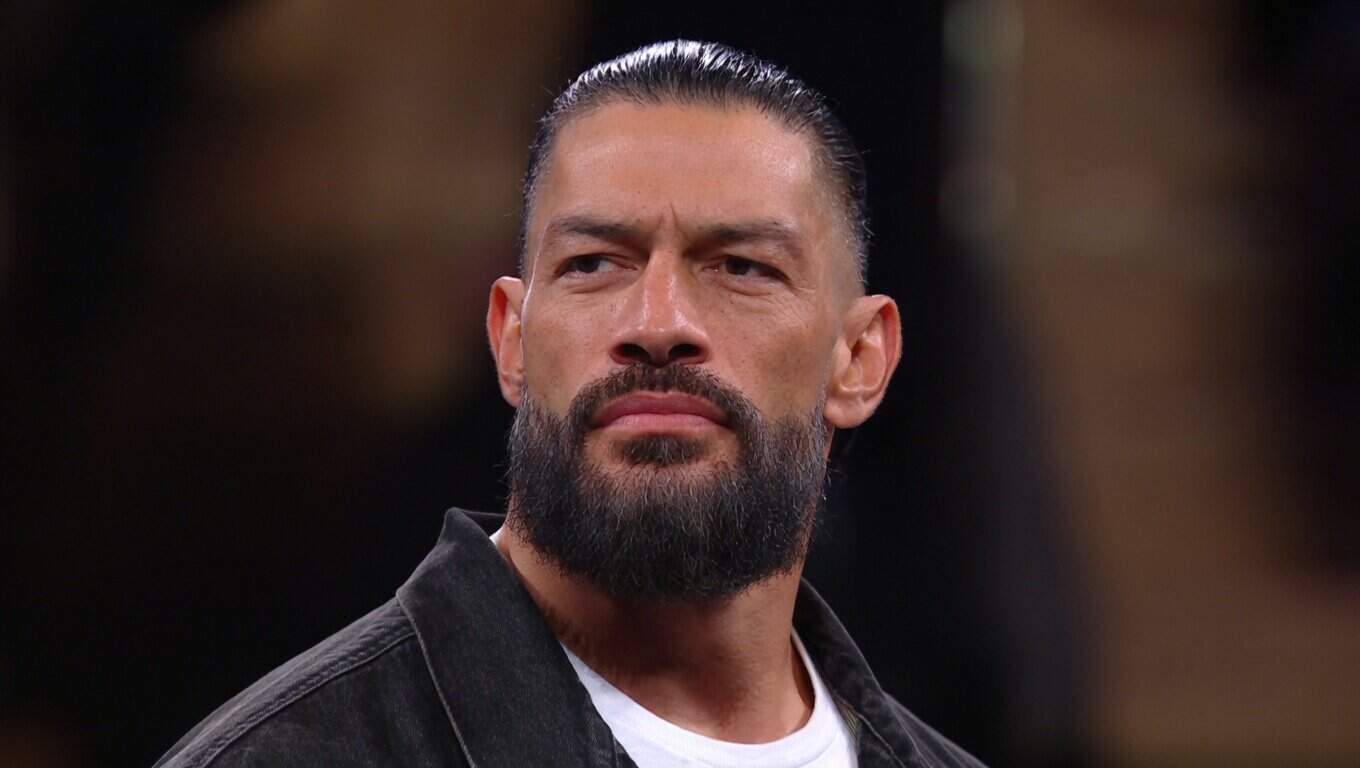
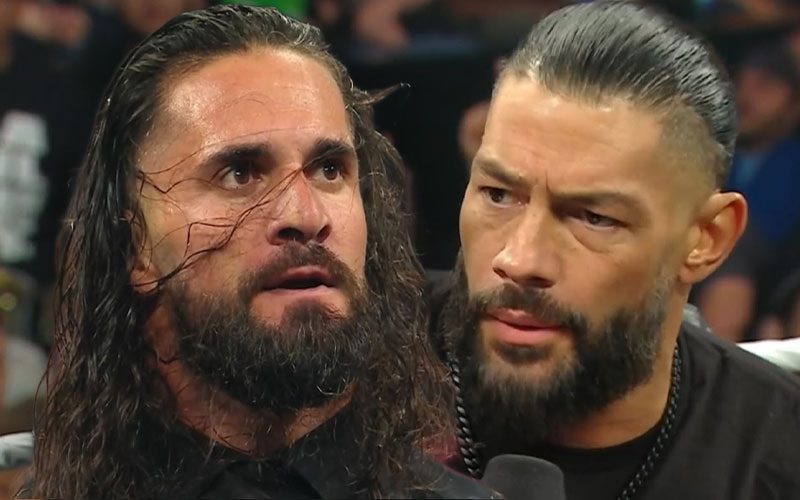
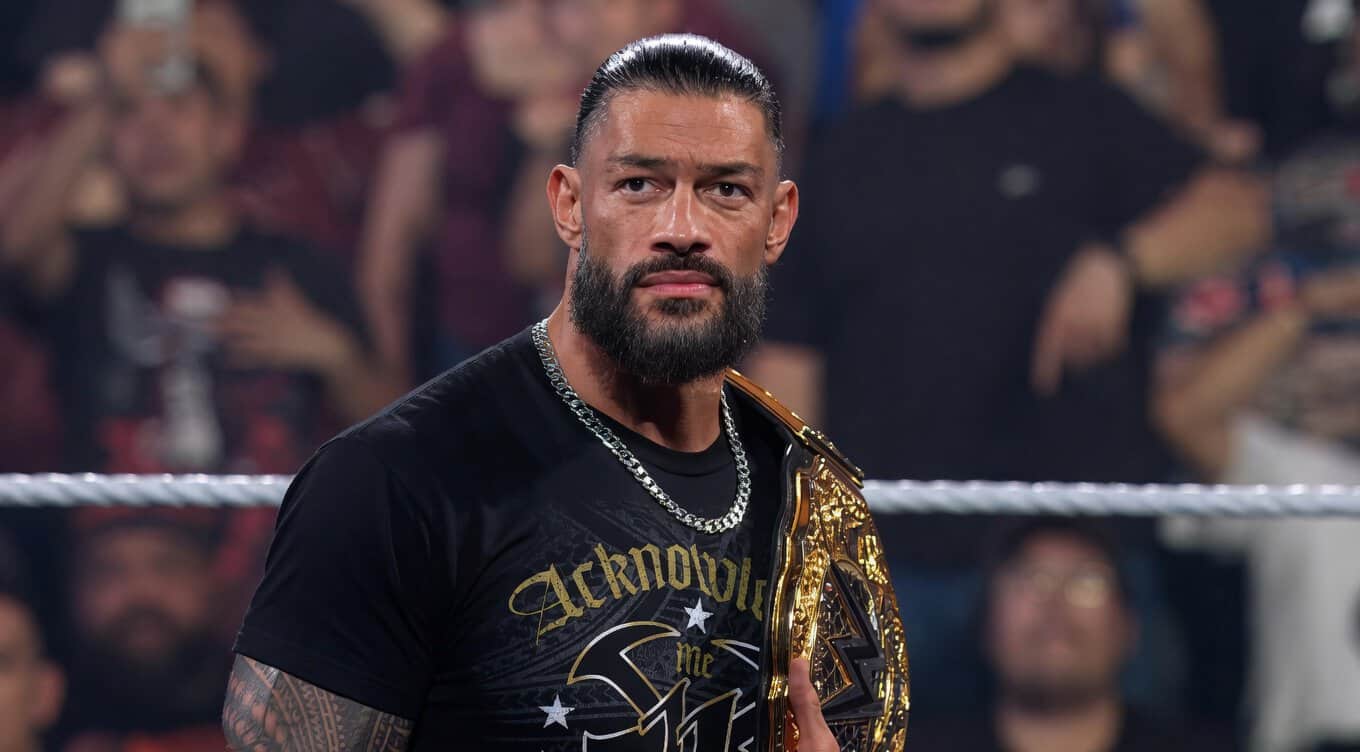
Roman Reigns returned from inactivity with a target on his back, and the message coming out of Italy is clear. He is not interested in the usual suspects. By calling out two specific WWE stars following his recent tour match, Reigns has shifted the power dynamic away from the championship picture and toward a singular, ego-driven vendetta.
This move is textbook misdirection. By highlighting performers who have yet to reach his tier of main-event security, he forces them into a high-stakes position they are likely not prepared to navigate. The tactical spacing here is calculated. Reigns knows that once he dictates the terms of engagement, the audience stops looking at the belt and starts watching the physicality of the squeeze he applies to his opponents.
The structural flaws in Reigns' dominance
For all his talk of hierarchy, Reigns remains prone to stalling. His recent output relies heavily on mid-match chinlocks and long, deliberate paces around the ringside periphery. This strategy works against opponents not yet conditioned to accelerate the tempo. If he faces someone who refuses to wait for him to set his feet, the strategy collapses.
The criticism of this approach is obvious. Reigns avoids the high-mobility technical grapplers who could theoretically catch him on the transition. Every second he spends adjusting his wrist tape is a second he isn't taking a bump or risking a pin. It is a slow, methodical grind that wears down the viewer as much as the opponent.
Measuring the threat level
The upcoming conflict depends on whether his targets initiate a blitz in the first 4 minutes of the opening bell. If they follow his lead, this will be another classic Reigns affair: ten minutes of posturing followed by a singular, explosive sequence ending in a spear. If they jump him before he can secure his shoulder harness, we might finally see a crack in the armor.
His reliance on the spear as a singular finish often leaves him vulnerable during the setup phase. As seen in previous departures, if the reversal happens here, he lacks a secondary submission game that maintains structural integrity. He needs the match to stay in the center of the ring, away from the ropes. Expect him to use his weight to pin opponents against the turnbuckle early to minimize their lateral movement.
Predicting the tactical outcome
Reigns is betting that he can out-think his opponents before they ever touch him. He frames his challenges as invitations, but they are traps designed to lure younger talent into a rhythm that favors his heavy-strike style. He expects the audience to believe he is testing them, but he is actually assessing how quickly he can neutralize their offense.
I am picking Reigns to win, but it will be a narrow margin decided in the 22nd minute. He will likely rely on a distracted referee to land that closing maneuver, as he rarely finishes a match clean when the stakes are effectively personal rather than professional. It will be a hollow victory that leaves the audience questioning his longevity rather than celebrating his skill.
Read Next
- Raw needs a clean slate following the Clash in Italy fallout
- Top 10: Defining Pro Wrestling Moments of 2026
- Cody Rhodes battles through shoulder strain following WWE Clash in Italy
- Ric Flair is still chasing the spotlight
- 🏆 WrestleMania 41 — Full Coverage Hub
- 💥 WWE Backlash 2026 — Full Coverage Hub
- 👑 Roman Reigns Return 2026 — The Tribal Chief