The bio change that went nowhere
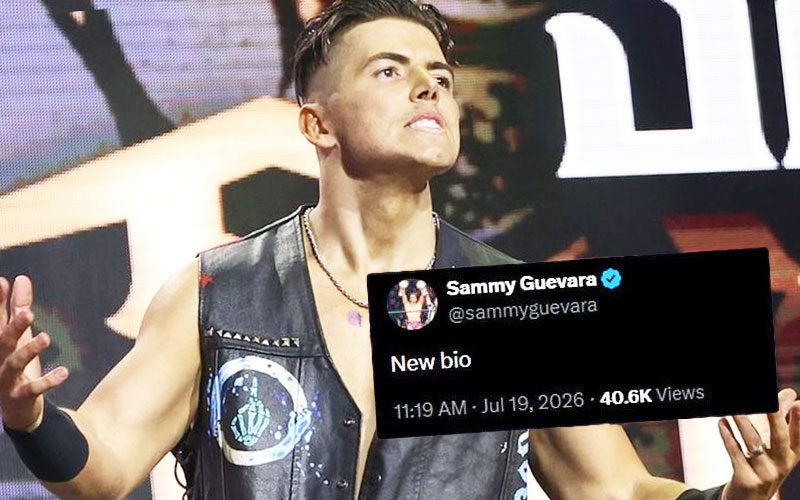
Professional wrestling internet culture loves to play detective with social media profiles. When Sammy Guevara removed all traces of AEW from his personal accounts, the rumor mill immediately projected his exit. Reality, according to internal sources, is drastically more mundane.
The scrubbing of the bio was not a signal of contract termination or creative frustration. It was a digital refresh common among performers who want to curate their public image. Despite the online firestorm, AEW management remains unfazed by the optics of a modified Twitter handle.
As reported this week, the entire narrative built around the removal was a fabrication of fan anxiety. There was no internal meeting, no disciplinary hearing, and no request for a release from his current contract. Sometimes a social media update is just an update.
The broader AEW talent management strategy
Guevara’s status remains a point of interest because of his tenure as a fixture in the TNT Championship picture. Since the merger of various talent brands, fans have become hyper-sensitive to any hint of roster instability. The expectation of an impending exit has become the default setting for anyone who steps away from television for more than a month.
However, the internal reality regarding talent retention is different. AEW management tracks engagement and social media presence, but they are not operating based on Twitter bios. The company currently has a logjam of mid-card talent looking for airtime, a situation detailed in recent industry reporting.
While the bio change was a non-event, the obsession with it highlights a real issue: the lack of clear direction for some of the promotion's long-term investments. When fans have nothing definitive to watch, they fill the void with speculation. Guevara is currently caught in a cycle of needing a compelling reintroduction to the main event scene.
Contrast with WWE's recruitment cycle
While internet sleuths look for ghosts in social media bios, the industry at large is watching how WWE handles roster moves. Recent call-ups like Oba Femi and Trick Williams have set a new standard for how prospects should transition from NXT to the main event scene. The contrast in booking philosophies is worth tracking as we approach the summer months.
Reports identify the specific creative hands guiding these transitions, ensuring that new talent doesn't disappear in the shuffle. WWE management has been transparent about the process behind moving individuals from the developmental wing to the weekly television shows. This level of intentionality is what AEW must replicate to keep its own roster from feeling stagnant.
The reliance on social media signals to guess contract status is a failure of communication. If a wrestler is meant to be a pillar of the show, they need to be appearing on programming, not just existing in the space between television segments. Fans aren't checking bios because they are bored; they are checking them because they aren't seeing results in the ring.
The risk of silence
The issue with the Sammy Guevara situation—aside from the fact that it was manufactured—is that it exposes how quickly a vacuum of information is filled by bad data. AEW has historically been quiet regarding contract statuses until the finality of an exit becomes unavoidable. This creates a state of perpetual panic for the audience.
Every small decision, from a profile picture change to a missed date at a convention, is analyzed under a microscope. This creates unnecessary noise for the creative team to navigate. A more direct communication strategy regarding talent availability would do wonders to lower the temperature on these pointless controversies.
If Guevara is to move up the card, his next appearance needs to be a 15-minute banger that reminds fans of his ceiling. He has spent too long in the middle of the pack, hovering between the TNT belt and the secondary stories. Without a shift in booking, he will remain a target for these unfounded rumors every time he decides to update his layout.
It is worth noting that while WWE has seen success with its recent influx, there is a clear trend toward rewarding size and presence. If Guevara wants to secure his place, his work needs to be louder than his social media footprint. His next program needs to be aggressive, focusing on technical striking and high-risk maneuvers rather than just holding patterns.
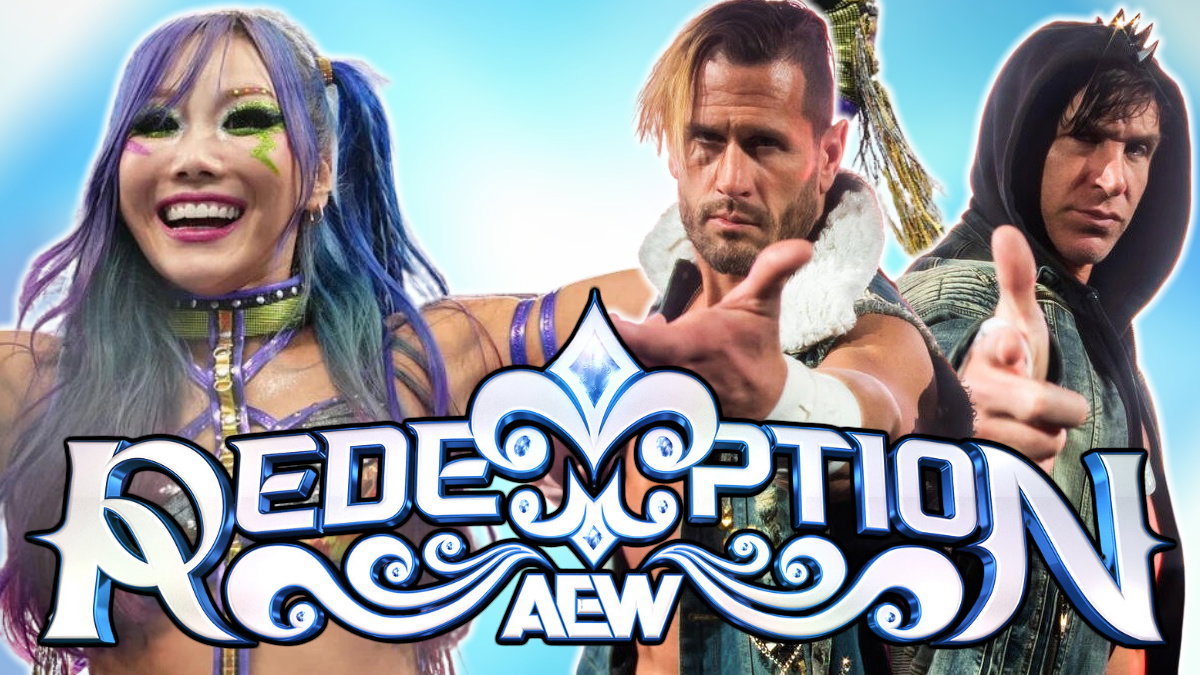
Management must prioritize these mid-card talents who have the potential to headline. Using stars like Guevara strictly for placeholder spots against traveling opponents wastes the capital built up over his years in the company. The upcoming schedule in Montreal for Redemption 2026 demands a reset on how these performers are utilized to generate actual hype.
Moving forward, sources suggest that social media will be monitored less for gossip and more for brand control. The era of the fan-led rumor mill dictating the industry narrative is being checked by teams being more clinical with their talent. Expect a change in how talent bios are handled in the coming months as companies institute stricter guidelines for public performance.
Read Next