The transition from the ring to the small screen
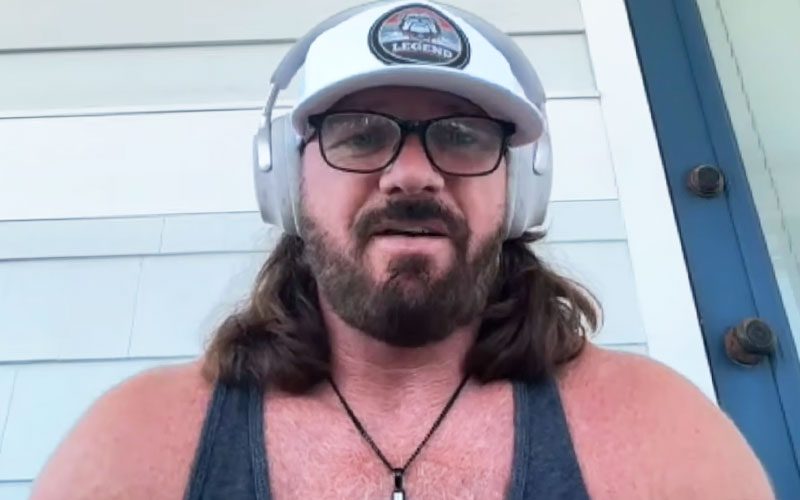
Samoa Joe is currently navigating a career path that few professional wrestlers master. With his role in Peacock's Twisted Metal expanded—specifically through the casting of his character's father—Joe is signaling that his future lies outside the squared circle as much as within it. We are seeing a shift where technical proficiency in the ring is secondary to cross-platform marketability.
As PWInsider reported, the expansion of the Twisted Metal lore is a massive opportunity for the genre. Wrestling is currently suffering from a bloated roster problem where talent often gets stuck in mid-card purgatory. Joe, by pivoting to prestige television, effectively sidesteps the booking inconsistencies that often plague veteran performers.
The cost of part-time availability
This path comes with a distinct downside for fans. When performers prioritize filming schedules over the grind of a weekly televised product, the narrative consistency suffers. We saw this with many before him; the pacing of a feud gets interrupted when the protagonist is on a studio lot in Atlanta rather than in the locker room.
Joe brings an intensity that is rare, defined by his stiff strikes and the signature Coquina Clutch. Yet, if his focus shifts to episodic drama, his wrestling output will inevitably decrease. We have to ask if the trade-off is worth the potential for a larger, mainstream audience footprint. A 15-minute segment with a genuine wrestler is preferable to a filmed cameo that lacks the physical stakes fans pay to see.
Predicting the impact on the roster
The precedent set by this casting suggests that management is comfortable letting their top-tier draws fluctuate. If Joe stays primarily in the TV writer's room, younger talent will assume the heavy lifting in longer matches. That might mean more 30-minute iron man matches on the mid-card, which is objectively good for development. However, the loss of a veteran presence usually manifests in sloppier ring psychology in the main event.
Joe is not slowing down, but his visibility will become fragmented. Expect his future appearances to be treated as special attractions rather than the backbone of weekly programming. It is a smart move for his bank account, but a difficult pill for traditionalists to swallow. The industry is changing, and the era of the full-time warrior is dying a slow death.