The shadow of 2025: How one injury defined an era
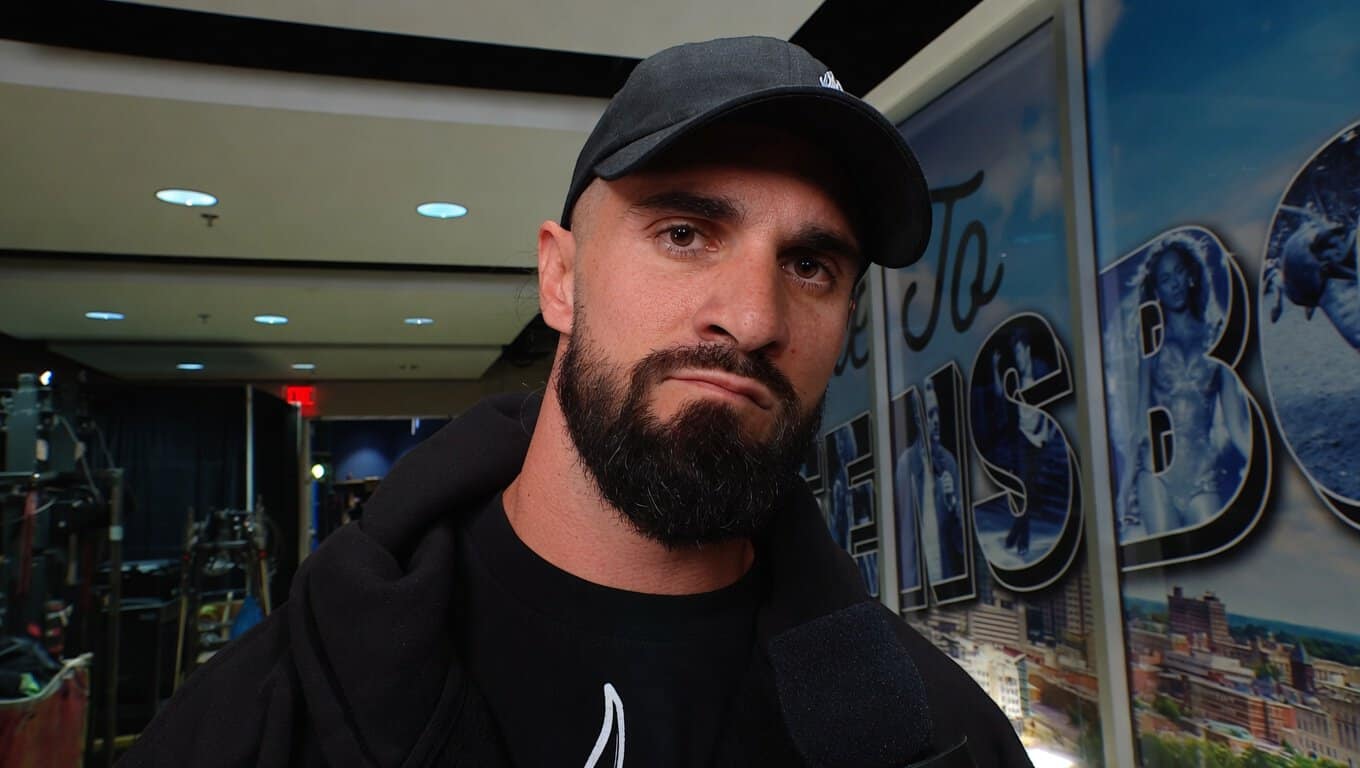
Seth Rollins remains one of the most prolific performers of his generation, yet his resume is plagued by a recurring narrative of missed opportunities. As documented by WrestlingNews.co, a significant shoulder injury sustained in 2025 forced WWE creative to completely scramble their long-term booking strategies. This wasn't merely a minor setback; it was a structural pivot that altered the trajectory of the entire roster for that year.
For a performer who has technically closed the show on three separate occasions, Rollins maintains a surprisingly grim outlook on his legacy. In a recent appearance on the program WWE Unreal, Rollins articulated that he has yet to feel as though he has truly main-evented a marquee stage. He views the physical toll of his profession as the direct culprit that robbed him of that specific validation.
Physicality vs. Legacy
The internal frustration is clear. While fans often look at the spectacle of the event, performers measure their success by the quality of the narrative arc and the health of their bodies to support it. Rollins has become the poster child for this conflict. His inability to stay at 100% heading into the biggest shows has left him feeling like a bystander to his own potential, even when his name remains top of the card.
This is a recurring theme in modern wrestling. High-impact schedules create a cycle where elite talent is pushed toward the limit, resulting in inevitable mechanical failure. When you look at the historical context of his rivalry with Roman Reigns, it becomes evident that the physical burden of their shared history has only expedited this downward trend in medical stability.
The price of the road
WWE's reliance on a relentless international tour schedule has exacerbated these issues, turning minor strains into career-altering surgeries. The 2025 reset proved that the company is effectively building a house of cards. When a primary anchor like Rollins goes down, the entire architectural plan for the year collapses.
This isn't just about bad luck. It is a failure of load management that shows little sign of changing. While the promotion continues to expand its global reach, the human cost is becoming impossible to ignore. A 12-month cycle of non-stop travel leaves almost no room for the kind of cellular repair required by athletes performing at this intensity.
Strategic blind spots
The booking team often operates under the assumption that the shelf life of a top-tier star is infinite. By forcing performers to operate through nagging injuries to hit seasonal milestones, they are inadvertently shortening the careers they are trying to promote. We saw this reality play out when AJ Styles opted for an early exit at January's Royal Rumble rather than waiting for a later date.
The fans may get their spectacle, but the cost is a revolving door of sidelined talent. When Rollins expresses his disappointment with his own main-event history, he is really speaking to the systemic instability of the industry itself. He has put in the work, but his body has eventually reached a point where the output no longer matches the intent.
A pattern of broken promises
History repeats itself in this business at a frightening clip. We have seen similar scenarios play out with multiple stars over the last decade. A push is planned, a match is positioned, and then the inevitable medical report arrives to derail the momentum. The difference here is the self-awareness of the talent involved.
Rollins currently stands as a cautionary tale of how even the most durable athletes can be humbled by poor scheduling. If the company continues to treat their top-tier headliners as interchangeable engines, they will continue to see these sudden, jarring resets. The current strategy appears to be one of extraction rather than preservation, which is a dangerous long-term game to play with human assets.
Looking toward the next break
With SummerSlam approaching, all eyes remain focused on whether the medical staff can keep the current top-of-the-card intact. If the pattern holds, we should expect more roster instability as the pressure to deliver high-quality segments increases. The current status of the locker room is tenuous at best.
Rollins remains a cornerstone, but his words indicate he knows exactly how fragile that foundation is. If he is already vocalizing his regret over past missed moments caused by injury, it suggests that the toll is being felt more acutely behind the scenes than the cameras ever reveal. For now, the sport remains in a state of constant medical triage, waiting to see which star falls next.
Read Next
- Seth Rollins is right to feel slighted by his WrestleMania history
- Nic Nemeth wants Rollins vs Knight but don't count on it
- Cody Rhodes battles lingering injury following chaotic backstage skirmish
- SummerSlam hype is building but WWE's booking reservations remain clear
- 💥 WWE Backlash 2026 — Full Coverage Hub