The wear and tear on Seth Rollins
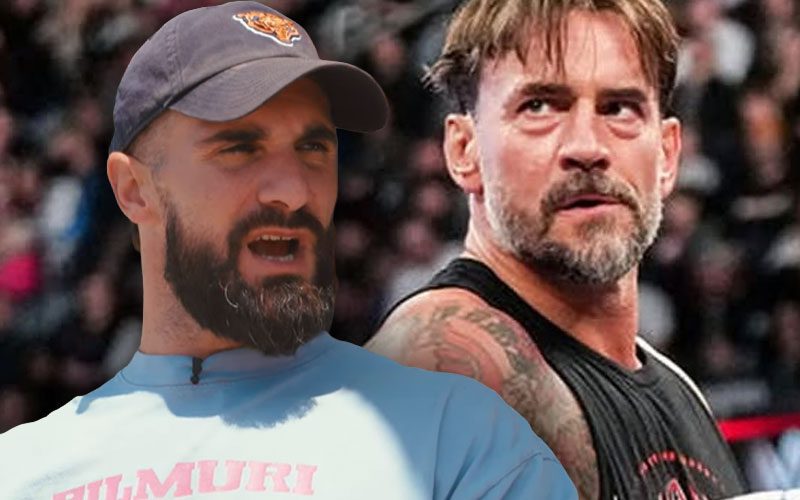
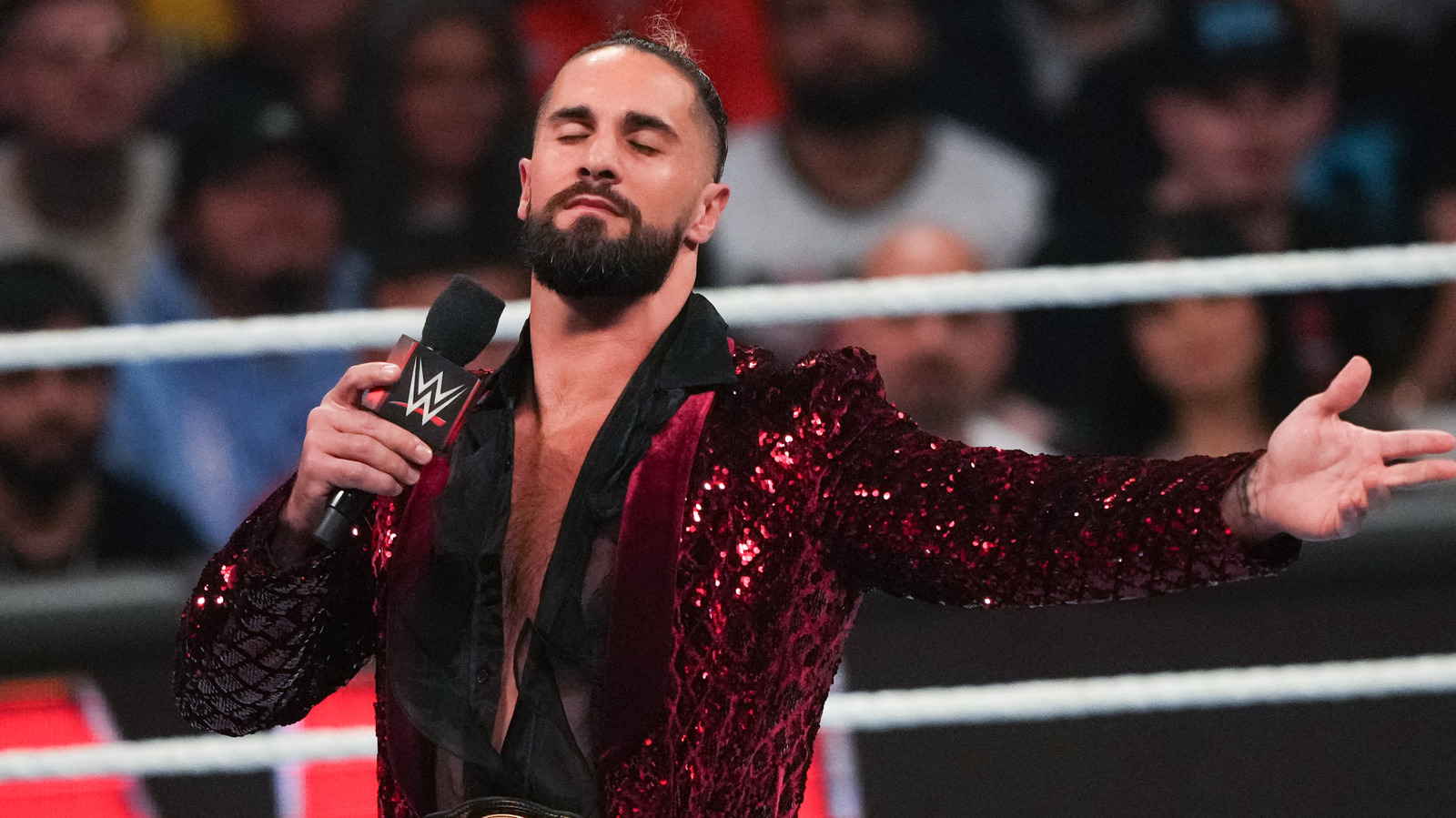
Seth Rollins is currently operating at a diminished physical capacity, according to mounting reports from backstage at WWE. While not officially sidelined with a singular acute injury like a torn ACL, the veteran is managing chronic fatigue following years of a heavy schedule. The high-risk nature of his in-ring repertoire, combined with his recent marquee match against Montez Ford, has raised internal concerns about his long-term availability.
This isn't a simple case of a sprained ankle. It is the cumulative effect of constant travel and high-impact spots, a recurring reality for performers who maintain a top-tier slot for over a decade. Rollins recently acknowledged his preference for working as a heel, a creative pivot that might be driven by the physical toll of playing a hero. Working as a babyface requires a specific energy output and fan-facing stamina that Rollins suggests is no longer his physiological sweet spot.
The creative and structural disconnect
The frustration isn't strictly medical. Sources suggest that Rollins' physical struggles are magnified by an increasingly disjointed creative process. As Ringside News recently detailed, there is a mounting fear among performers about speaking out against current creative directions. When a wrestler feels their body breaking down while the booking lacks a clear narrative payoff, the burnout accelerates rapidly.
Rollins has history with navigating these pressure points. He famously referenced Roman Reigns' hostile crowd reception as the catalyst for his own legendary WrestleMania 31 cash-in. That adaptability defined his career, yet there is a limit to how many times a performer can reinvent their physical approach to accommodate creative shifts. His recent history of high-stakes spots, such as the notorious crutch drop cash-in, reflects a career built on ignoring physical limitations. That strategy is now facing a significant test.
The industry cooling effect
The impact on the roster is becoming impossible to ignore. When a centerpiece talent like Rollins struggles, it leaves the promotion scrambling to fill the vacuum. We saw this manifest with the confusion surrounding Dominik Mysterio, who recently claimed the company simply doesn't know what to do with him after leaving him off the Clash In Italy card. If the main eventers are banged up and unhappy, the mid-card talent suffers from a total lack of vision.
Rollins is currently projected to continue working through this period, but for how long? A mid-season hiatus could become necessary if the performance quality begins to dip noticeably. Management rarely likes to pause for a top-tier star, but forcing a talent to work through severe fatigue often leads to a genuine, catastrophic injury. Ignoring these early warning signs is a frequent mistake in professional wrestling booking.
The current situation is far from sustainable. While fans continue to tune in for high-quality segments like the recent Raw opening feature, the cost of these segments cannot be measured solely in ratings. It is measured in the health of the roster. Rollins has transitioned from a resilient workhorse to a performer clearly feeling the gravity of his years on the road. The company's refusal to listen to these internal signals is perhaps their biggest creative failure of 2026.
Ultimately, WWE is testing the durability of their most loyal asset. Rollins has managed to stay relevant through multiple generations of roster turnover, but he is currently carrying the weight of a stagnant creative department on a chassis that isn't built for a perpetual grind. If they don't find a way to cycle him out, the consequence will be a forced absence that the current show is ill-equipped to handle.
Read Next