The physical toll of Shane McMahon's high-risk career
Shane McMahon has built a career upon the foundation of gravity-defying spots. From the King of the Ring in 2001 to his more recent outings, his willingness to subject himself to extreme trauma remains a defining, if dangerous, trait. Medical projections now suggest that his accumulated orthopedic damage has reached a tipping point, limiting his viability for in-ring competition.
His history of blunt force trauma is extensive. Beyond the documented risks, the cumulative effect of high-impact falls onto concrete and through pyrotechnic-laden tables has accelerated degenerative joint issues. While he recently teased a return to street fight violence against Kurt Angle, current physiological assessments indicate such a match would likely result in immediate re-injury.
The reality of the McMahon style
The modern athletic training room treats a performer like Shane with extreme caution. His primary injuries—chronic spinal compression and recurring shoulder labrum instability—are common for athletes who perform high-impact maneuvers but rare for someone entering their mid-50s. The window for recovery has closed significantly compared to his early years.
Historical data on high-flyers shows a direct correlation between age and the inability to dissipate energy during a fall. If Shane were to attempt a replicate of his 2001 street fight style, he would lack the necessary muscular stabilization to protect his vertebrae upon impact. The medical consensus is that his frame cannot sustain the G-force of a standard top-rope drop, much less a fall through a secondary structure.
Business and industry spillover
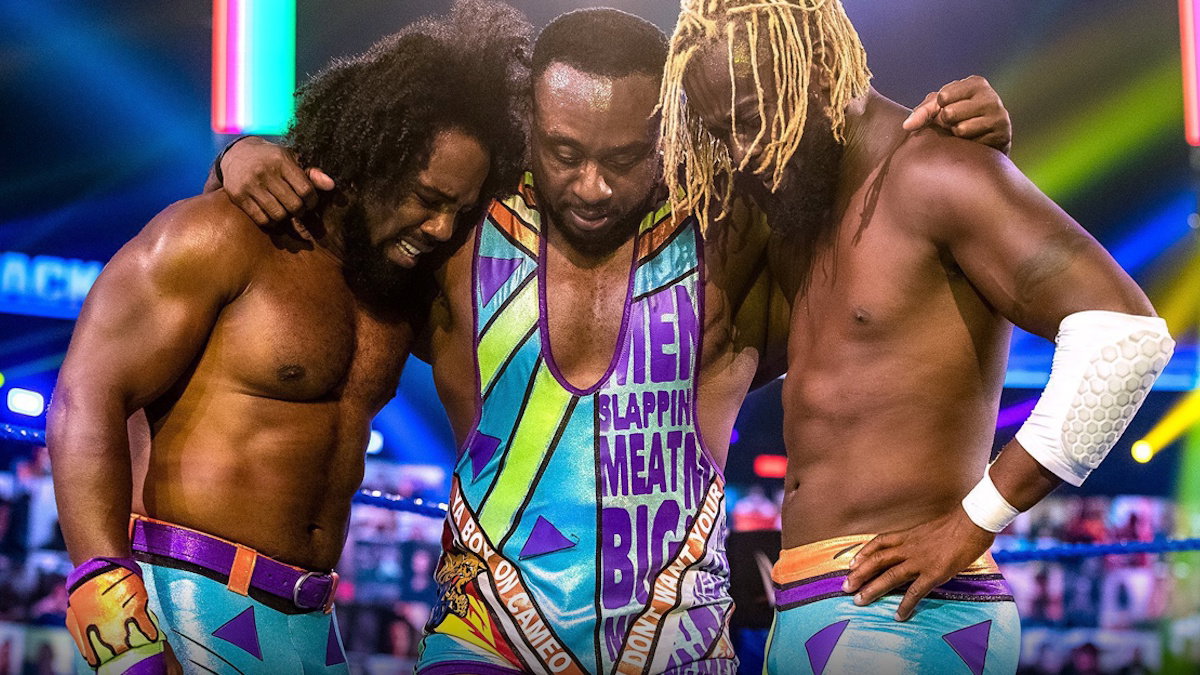
This physical stagnation changes how WWE approaches legacy talent. With active stars like The Street Profits pushing for more integration—including creative pitches for cross-promotional tag team bouts—the company is shifting focus toward younger, healthier rosters. Using older, physically compromised talent in high-spot matches creates an unnecessary liability against the speed of current performers.
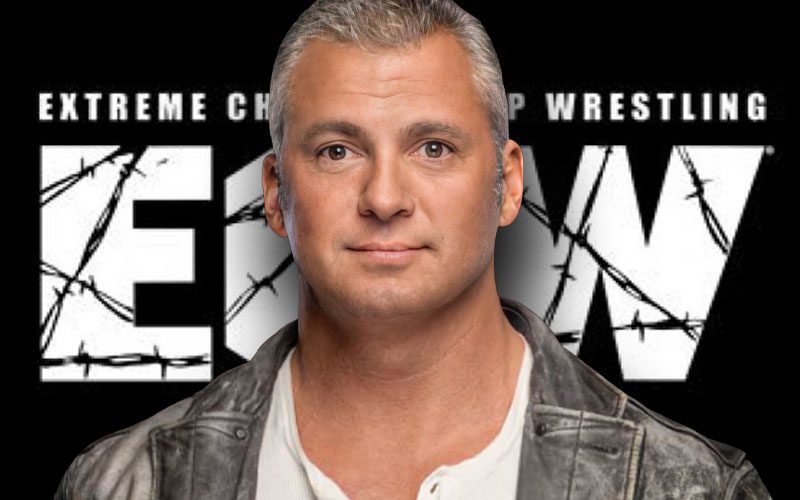
The strategic implication is clear: the era of the "part-time spectacle" is dwindling. While Shane remains a high-profile figure, his value is moving away from the ring and toward acquisitions, a role that aligns with his historical attempts to expand promotion footprints, such as his past desire to secure ECW assets as noted by industry coverage of Paul Heyman’s recent disclosures.
The danger of nostalgia booking
Booking a match based on the reputation of previous carnage is a short-term ratings play with long-term fallout risks. Bringing veteran stars into a modern, high-speed environment often highlights the physical disconnect between generations. It forces the younger athlete to slow down or perform in a way that minimizes the legend’s physical deficits.
This is a recurring error in professional wrestling. Promoters rely on the psychological appeal of a legendary name, failing to account for the actual biology of the performer. When the match quality suffers due to physical limitations, the audience quickly realizes the spectacle is past its expiration date. This creates a feedback loop where the talent's legacy is partially depreciated by a final, subpar booking decision.
Final medical assessment
Total recovery is not the goal for someone with this much mileage on his spine. The current directive is maintenance and pain management targeting a return to non-contact segments only. Any attempt to re-engage in technical brawling with a high-impact professional athlete would carry a high probability of acute injury.
Management must acknowledge this medical ceiling. Continuing to tease high-spots for a performer in his condition invites unnecessary risk to both the talent and the organizational reputation. The business, like the body, requires a pivot to sustainable output rather than the pursuit of ghosts from two decades ago.