Measuring the impact of a lost G1 block
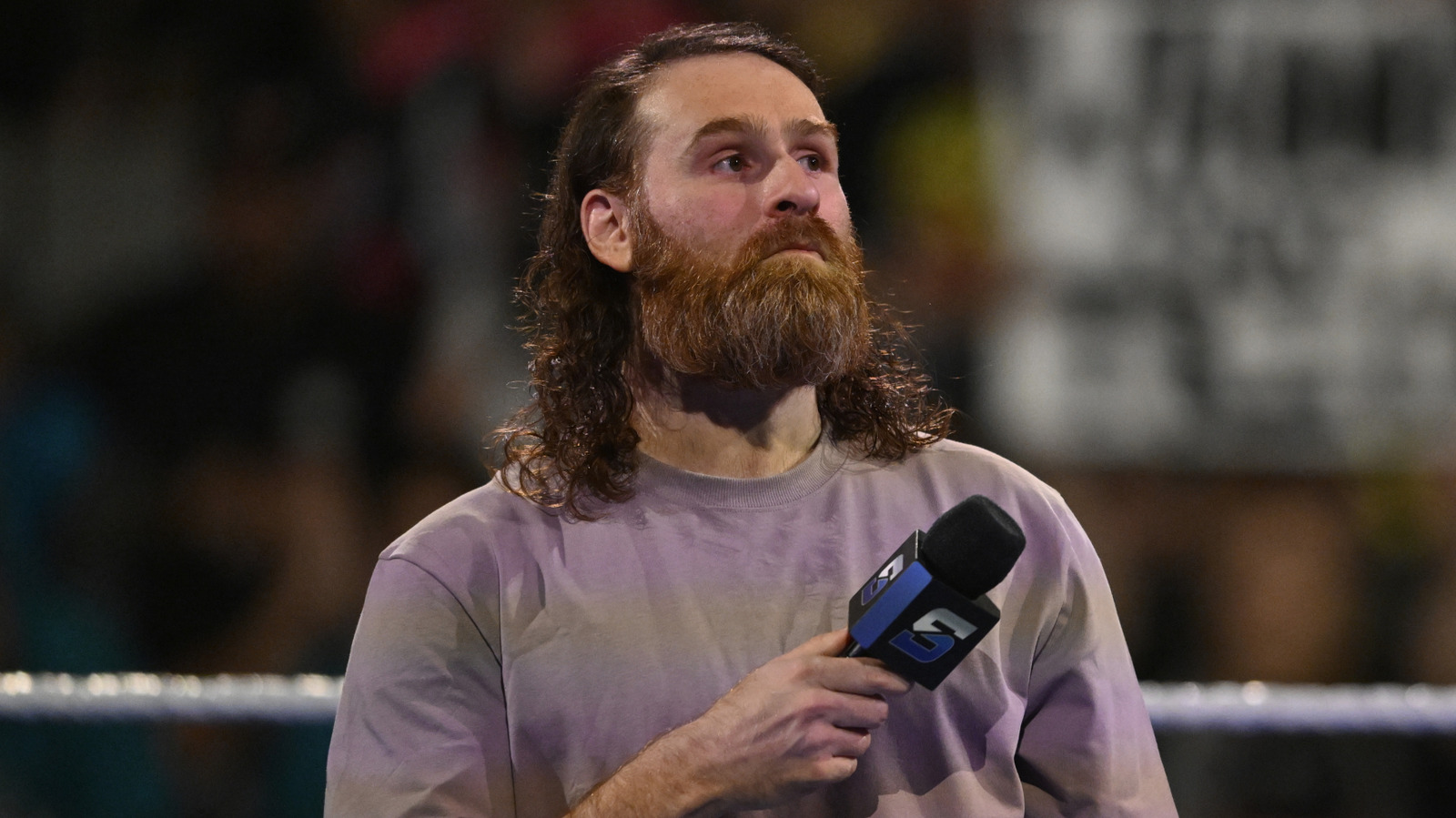
Shota Umino’s withdrawal from G1 Climax 36 on July 11 is more than a medical misfortune. It is a logistical nightmare for New Japan Pro-Wrestling that reveals the fragility of their current booking strategy.
By forfeiting his remaining B Block matches, Umino has effectively vacated 8 points from the standings. This single concussion changes the entire mathematical projection of the tournament.
The math of a truncated tournament
In a standard G1 Climax, every point is a commodity. When a wrestler drops out mid-tournament, their previous opponents keep their points, but future opponents receive a walkover victory.
This creates a lopsided table. The wrestlers slated to face Umino in the final four rounds of the block gain free entry to the top of the leaderboard without performing a single suplex. Competitors who already faced him had to fight for those wins, leaving them physically depleted compared to those receiving the gift of a forfeit.
"A NJPW star has been pulled from the G1 Climax 36 tournament after suffering a concussion during his first round match on Saturday, July 11."
The statistical variance here is unfair. An athlete who goes 3-2 in actual competition might be leapfrogged by someone who finishes 3-2 via two injury defaults. Winning by medical mandate lacks the competitive integrity essential for tournament credibility.
Why the G1 format is becoming a liability
NJPW relies on the round-robin structure to build long-term narratives. However, the sheer volume of matches puts talent at extreme risk. Since the G1 Climax is a grueling gauntlet, injuries are statistically inevitable, not anomalies.
As WrestleTalk reported, Umino was out after just one match. This immediately wastes screen time and disrupts the planned point totals for his B Block rivals.
Booking a tournament around 20 or more participants requires a iron-clad roster. When a centerpiece talent fails to survive the opening weekend, the tournament bracket loses its internal consistency. If the company cannot guarantee the health of its headliners, the structure itself needs a rethink.
The cost of the forfeit
Beyond the table adjustments, Umino loses the chance to accrue critical momentum. His growth as an ace-level talent depended on these high-profile marquee matches throughout July.
Missing time means missing out on the gate receipts and merchandising opportunities built around tournament runs. Umino exits with zero points, while his stablemates carry the burden of the block. It is a harsh outcome for a wrestler clearly positioned for a push.
NJPW should reconsider whether thirty-plus matches in three weeks is viable in 2026. Data suggests that the fatigue of the G1 leads to significant drop-offs in match quality by the final week. A shorter tournament with higher stakes might preserve the roster's long-term health while keeping the competition tight.