The corporatization of wrestling talk radio
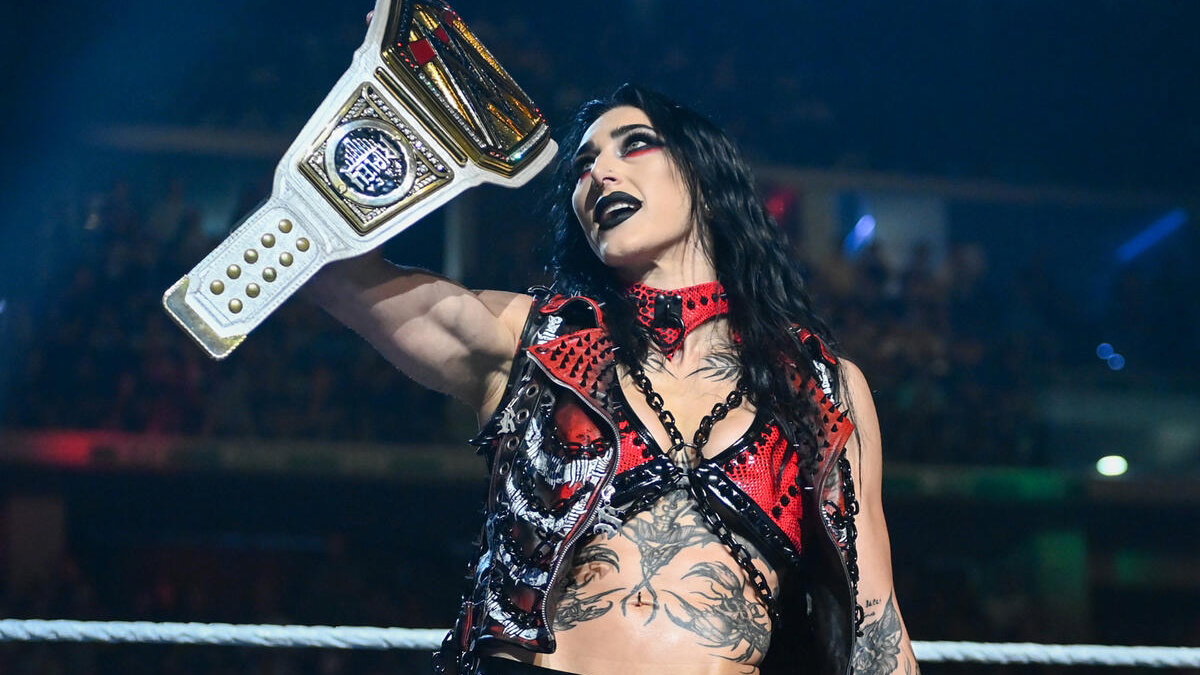
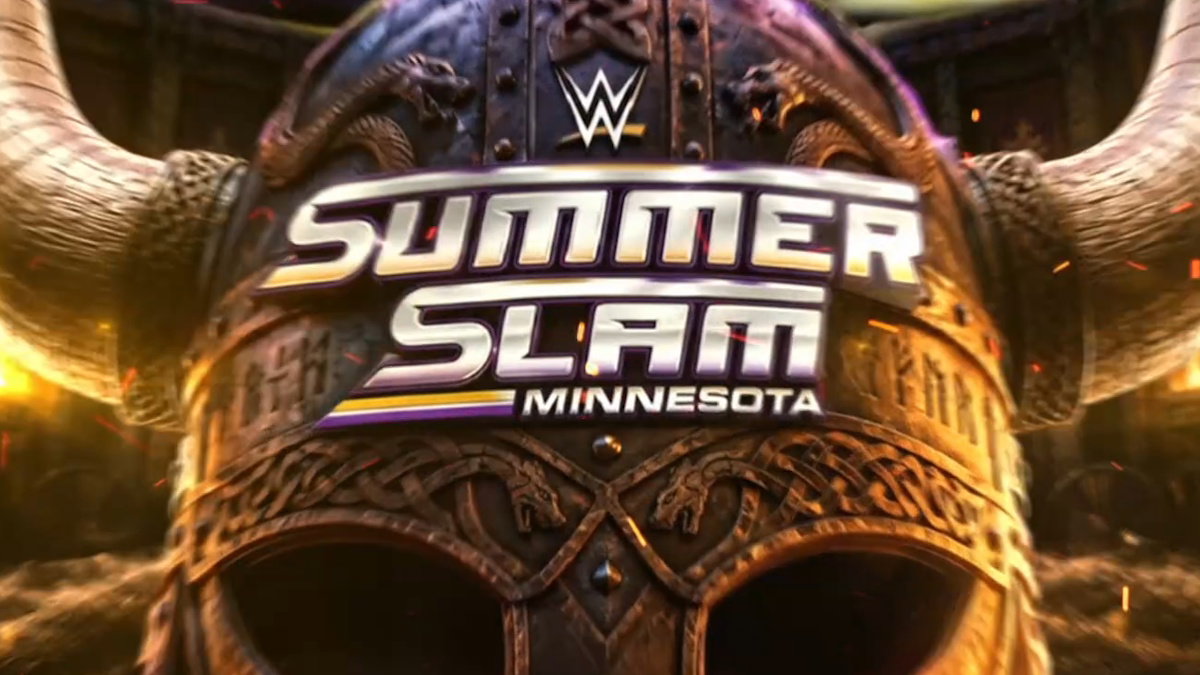
Pull up a stool, grab a cold one, and let's talk about the corporate consolidation of pro wrestling media. If you woke up and checked your timeline, you probably saw the news that Thunder Rosa is officially out at Busted Open Radio after four years behind the mic. She thanked Dave LaGreca, Tommy Dreamer, Bully Ray, Mark Henry, and Tony Khan in a class-act farewell post. But let's cut through the public relations fluff: she didn't just decide to spend more time with her podcast mic. She got squeezed out because SiriusXM is rebrand-launching channel 156 as dedicated WWE Radio on July 27, 2026.
Think about the sheer corporate absurdity of this move for a second. Busted Open built its entire modern identity on being the neutral ground where fans could hear unfiltered talk about AEW, WWE, TNA, and the indies. Now? It is being swallowed whole by TKO Group Holdings' massive media machine to serve as a 24/7 promo channel complete with TV audio simulcasts and live event commentary. Expecting an active AEW roster member to stay on a WWE-branded media network is like asking a Boston Celtics guard to host a morning drive show on the Lakers' official podcast network. It was never going to happen.
Naturally, the pro wrestling internet did what it does best: split into toxic, warring tribes within five minutes of the announcement. Let's break down how the marks, the schills, and the sane fans are processing this corporate buyout.
The fan reaction spectrum
Over on r/SquaredCircle and wrestling Twitter, the enthusiasts of the new corporate format are already lining up to buy the corporate merch. They see this as a massive win for wrestling's mainstream footprint, arguing that 24/7 dedicated coverage gives the sport the exact same prestige as the NFL or NBA radio channels on satellite radio. As one user put it: "Having round-the-clock WWE coverage with live PLE commentary on satellite radio is huge for mainstream visibility. This is just smart business."
Then you have the AEW loyalists and independent wrestling diehards, who view this move as a blatant hostile takeover of independent sports talk. To them, losing Thunder Rosa's voice is just the first domino in erasing non-WWE discourse from satellite radio. One vocal commenter summed up the outrage: "Busted Open losing its independence to become WWE state media is a massive loss for wrestling fans. Thunder Rosa was one of the best voices on that show."
And of course, we have the cynical contrarians sitting in the corner, nursing cheap draft beer and reminding everyone that wrestling talk radio was already a chaotic mess long before TKO signed a check. Their take cut straight to the core of the show's daily format: "Let’s be real, Busted Open was already 80% Bully Ray talking over people anyway. Stripping away AEW talk just saves us from pretending the show was unbiased."
Why the skeptics have the stronger case
The contrarians might be harsh, but the skeptics are dead right on this one. Converting a broad-spectrum wrestling talk show into official company state media fundamentally breaks the implicit contract between the hosts and the listeners. When Dave LaGreca and Bully Ray debate a hot angle now, every listener will know there is an invisible corporate executive standing in the studio with a stopwatch and a brand-safety checklist.
Thunder Rosa gave the show genuine credibility because she was in the ring every week taking bumps, dealing with locker room politics, and offering an active wrestler's perspective. Replacing that raw, real-time athlete insight with sanitized corporate simulcasts of Monday Night Raw is a massive step backward for audio content. You cannot deliver honest critique when the company you are analyzing owns the broadcast frequency.
There is also a glaring flaw in the business strategy that nobody in Stamford wants to address. Wrestling fans are notoriously sharp at detecting fake enthusiasm and corporate shills. If Busted Open transforms into a sanitized two-hour infomercial where host panel members aren't allowed to criticize questionable booking or mention rival promotions, listeners will simply migration-jump to independent podcasts. You can buy the satellite signal, but you cannot buy genuine fan engagement.
The death of independent wrestling radio
Look, pro wrestling in 2026 is healthier than it has ever been financially, but media consolidation always comes with a steep tax. When WWE swallows up independent platforms, the fan community loses the rare neutral territory where different fanbases could actually cross paths. We are rapidly moving toward a media landscape where you either watch the official WWE broadcast or retreat into isolated internet echo chambers.
Thunder Rosa will be completely fine; she has a active ring career, a thriving vlog, and plenty of independent opportunities waiting for her. But Busted Open Radio just traded its soul for corporate syndication, and no amount of slick satellite packaging can cover up the smell of sanitized corporate radio.