The numbers don't lie, but they do cause panic
You knew it was coming. The moment the viewership numbers for the May 15 edition of WWE SmackDown hit the timeline, the absolute worst corners of wrestling social media lit up like a Christmas tree.
According to Wrestling Inc, the blue brand saw a significant drop in both the key demographic and average overall viewership compared to the go-home show before Backlash.
Naturally, everyone handled this news with grace, nuance, and a deep understanding of modern television metrics. Just kidding. People completely lost their minds. It was an absolute bloodbath of bad takes, weird math, and sudden experts in television programming.
If you spent any time on the major wrestling subreddits or scrolling through the endless void of wrestling Twitter this week, you saw the reactions. Every armchair booker had a theory about why the numbers took a dive. People who could not balance a checkbook were suddenly lecturing everyone about year-over-year demographic retention.
It is always fascinating to watch how a single data point can confirm whatever bias a fan already holds. The drop from the pre-Backlash high was basically a Rorschach test for the internet wrestling community. Let us break down the main camps that immediately formed following the ratings report, because the fallout is honestly better television than some of the actual matches we got last week.
Camp One: The sky is falling and creative is dead
First up, we have the doomers. These are the folks who see a post-PLE ratings dip and immediately declare the entire creative direction a failure. For them, a bad rating is not a blip. It is a fatal diagnosis.
The prevailing argument here is that the post-Backlash episode failed to deliver a compelling hook. One prominent thread basically argued that Triple H lost his touch the second WrestleMania 41 ended. The author laid out a massive manifesto claiming that running back a Backlash match on free television is an insult to the viewer's intelligence.
According to this vocal segment of the fanbase, WWE coasted on massive momentum in April, but now the creative gas tank is completely running on fumes. They argue that a significant drop means viewers tuned in, realized the major storylines were treading water, and flipped the channel to watch literally anything else.
A lot of the heat in these threads is directed squarely at the pacing. You can find endless complaints on forums about long, drawn-out promos that do not advance the plot. People are incredibly frustrated with the inevitable rematches that feel completely unnecessary.
Is there merit to this? Maybe a little. The episode was definitely not an all-timer. It dragged in the middle, and some of the backstage segments felt incredibly repetitive. But declaring the entire era dead because of one soft Friday night is the kind of reactionary nonsense that makes the wrestling internet exhausting.
Camp Two: Coping with cord cutters and YouTube metrics
On the opposite end of the spectrum, we have the defenders. If the doomers think the world is ending, the defenders refuse to acknowledge that the concept of a bad show even exists.
Whenever ratings drop, this group immediately rolls out the greatest hits. They talk about cord-cutting as if they personally invented the concept. They mention how television viewing habits have fundamentally changed since the Attitude Era.
You will inevitably stumble into a massive defense thread where a user mathematically breaks down YouTube shorts views and international TikTok engagement. They argue passionately that gaining fifty thousand views on a vertical video clip completely negates losing a massive chunk of viewers in the 18-49 demographic.
Their main argument is that looking at live overnight numbers is an antiquated way to judge the success of a modern sports entertainment product. They do this to prove that the show was actually a massive, unqualified success, regardless of what the television executives might think.
It is a fascinating defense mechanism. Instead of admitting that maybe the episode was incredibly boring, they shift the goalposts to a completely different stadium.
Yes, digital metrics are incredibly important. Nobody is denying that. But dismissing a significant drop in live television viewership as entirely irrelevant is just burying your head in the sand. The reality is that television rights fees still pay the massive bills.
Camp Three: The aggressive agenda pushers
This brings us to my personal favorite group. These are the fans who do not actually care about the television industry, metrics, or the big picture. They just want an excuse to bash a wrestler they already hate.
If you sort the replies by controversial on any major wrestling board right now, you will find a goldmine of bad faith arguments. For the agenda pushers, a ratings drop is not a reflection of the overall show. It is entirely the fault of whoever main-evented.
You can easily find a highly upvoted post claiming that a specific main eventer is literal poison to the ratings. They will post a crude chart showing a massive viewership drop exactly at 9:15 PM, perfectly matching the moment their least favorite champion picked up a microphone.
If the rating drops exactly when a certain tag team appears, that tag team is instantly labeled dead weight. It is exhausting, but it is also hilariously predictable.
If the numbers go up, it is because of their favorite indie darling finally getting a push. If the numbers go down, it is because of the person they have hated since 2019. There is no middle ground. There is no acknowledgment that commercial placement or competing sports broadcasts might play a role.
Camp Four: The competing promotion instigators
We cannot talk about a WWE ratings drop without mentioning the fans of other promotions who swoop in like vultures. The moment the numbers dipped, the tribalism kicked into high gear.
Scroll down far enough and you will find someone arguing that this dip is concrete proof that fans are craving real, unscripted technical wrestling instead of sports entertainment melodrama.
These fans immediately started drawing wild comparisons. You saw posts claiming that this drop proves the alternative is actually the superior product, ignoring any context about time slots or network reach.
It turns into a bizarre proxy war. Instead of talking about what actually happened on the May 15 episode, the conversation derails into an argument about star ratings and booking philosophies. One side claims the drop is because SmackDown does not have enough classic matches. The other side claims the alternative promotion would kill to have a bad rating that high.
Nobody wins these arguments. Everyone just gets angry, shouts into the void, and logs off feeling worse than when they started.
Where do we actually go from here?
So, who is actually right in all of this noise? As usual, the truth is probably hovering somewhere in the miserable middle.
The post-Backlash episode of SmackDown was undeniably flat. WWE has a terrible habit of treating the immediate aftermath of secondary premium live events like a holding pattern. When you book a show that feels like filler, the audience is eventually going to treat it like filler and change the channel.
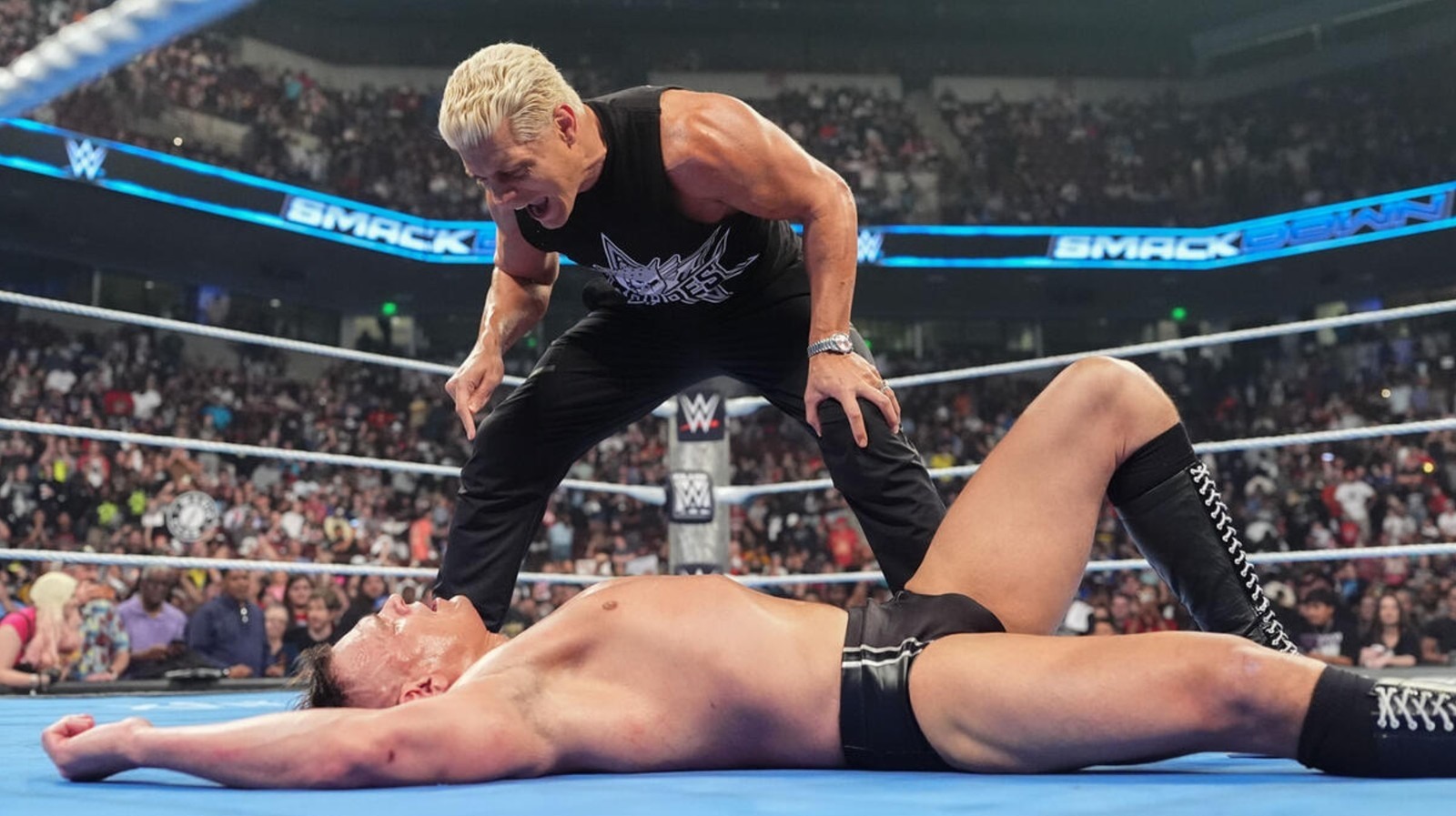
The real issue here is a profound lack of urgency. After a massive event like WrestleMania 41, keeping that momentum requires constant, propulsive storytelling. The sharp drop from the pre-Backlash episode shows that fans tuned in hoping for real consequences involving Cody Rhodes, The Bloodline, and the broader championship picture.
When they did not get those consequences immediately, they checked out. Booking lazy rematches and giving us twenty-minute talking segments that go in circles is a surefire way to bleed viewers. You cannot just expect people to watch out of habit anymore.
However, hitting the panic button over a mid-May rating is utterly ridiculous. We are heading into the dog days of the wrestling calendar. The awkward gap between Backlash in May and the deep summer schedule is always a weird transition period for the company.
The storylines are resetting. Feuds are cooling off. The creative team is clearly trying to figure out how to stretch things out until the big stadium shows return.
The real test is not what happened on May 15. The real test is what happens over the next month as we gear up for the summer blockbusters. If the numbers stay down, then we can start having a serious conversation about creative stagnation.
We can start asking hard questions about why the main event scene feels so disconnected from the rest of the card. We can start scrutinizing the booking decisions a lot more closely.
But until then, the internet reaction remains far more entertaining than the actual data. It just proves that no matter what happens on screen, the most reliable, consistently unhinged drama in professional wrestling is always happening in the comment section. And honestly? I wouldn't have it any other way.
Read Next